Why grow it?
A neat perennial salad herb with leaves that genuinely suggest cucumber. It is compact, hardy and far more useful in a small edible border than its obscurity suggests.
Herbs
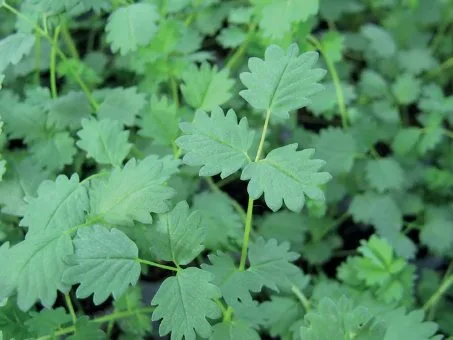
Sanguisorba minor
A hardy perennial salad herb whose young leaves taste surprisingly like cucumber.
Each plant is grown in small batches and cared for individually before dispatch. Because these are living plants, their appearance naturally changes with the season — they may be compact and freshly potted at some times of year, or taller and more established at others. Plants are supplied healthy, well rooted and ready to continue growing on.
Why it belongs in a forgotten garden
A neat perennial salad herb with leaves that genuinely suggest cucumber. It is compact, hardy and far more useful in a small edible border than its obscurity suggests.
Once a staple of medieval monastery and kitchen gardens, Salad Burnet (Sanguisorba minor) is an enduring herb that has proven its worth for centuries. Valued for its unique cucumber-fresh leaves and for its use in Tudor knot-gardens, this plant is a living piece of history. It offers carefree, evergreen greens that are perfect for pots or borders and provide a reliable harvest all season long.
Explore its place in Medieval garden history.
Growing guide
Well-drained soil in sun or light shade. It tolerates leaner, drier ground once established.
Light: Full sun to light shade
Water while establishing; mature plants are relatively drought tolerant.
Easy from seed or division. It may self-seed lightly where happy.
Cut flower stems to keep young leaves coming, or leave some for pollinators and seed. Trim old foliage back in spring.
From garden to kitchen
Young leaves can be picked for much of the year in mild weather, with the best growth in spring and early summer.
Cut young outer leaves little and often. Removing flower stalks prolongs the supply of tender cucumber-flavoured foliage.
Young leaves and tender tips.
The leaves add a mild, fresh cucumber note that elevates salads, dressings, and summer drinks. It is also a fantastic addition to herbal butters and light soups. Add the leaves fresh just before serving to get the best taste.
Used as a salad herb in modest quantities; the main value is fresh cucumber-like flavour from a hardy perennial.
Worth knowing: Salad Burnet is eaten as a salad herb rather than a bulk vegetable, contributing vitamin C and antioxidant plant compounds alongside its distinctive fresh cucumber flavour.
Traditional medicinal uses, where mentioned in the historical material, are included as history rather than medical advice.
Kitchen idea
The cucumber character is strongest when the leaves stay raw.
How tough is it?
A truly reliable survivor, Salad Burnet is an evergreen that re-sprouts for many years with minimal fuss. It is highly resistant to common pests and holds its own in a variety of conditions, making it an excellent choice for a low-maintenance garden.
Usually very easy. Slugs can damage young plants; old leaves become tougher rather than diseased.
Flower heads are attractive to small pollinating insects.
Medium container, ≥ 20–25 cm deep, with sharp drainage
Container plants generally need more frequent watering and feeding than the same plant in open ground.
Ready to grow it?
Each plant is grown in small batches and cared for individually before dispatch. Because these are living plants, their appearance naturally changes with the season — they may be compact and freshly potted at some times of year, or taller and more established at others. Plants are supplied healthy, well rooted and ready to continue growing on.
If this caught your eye…
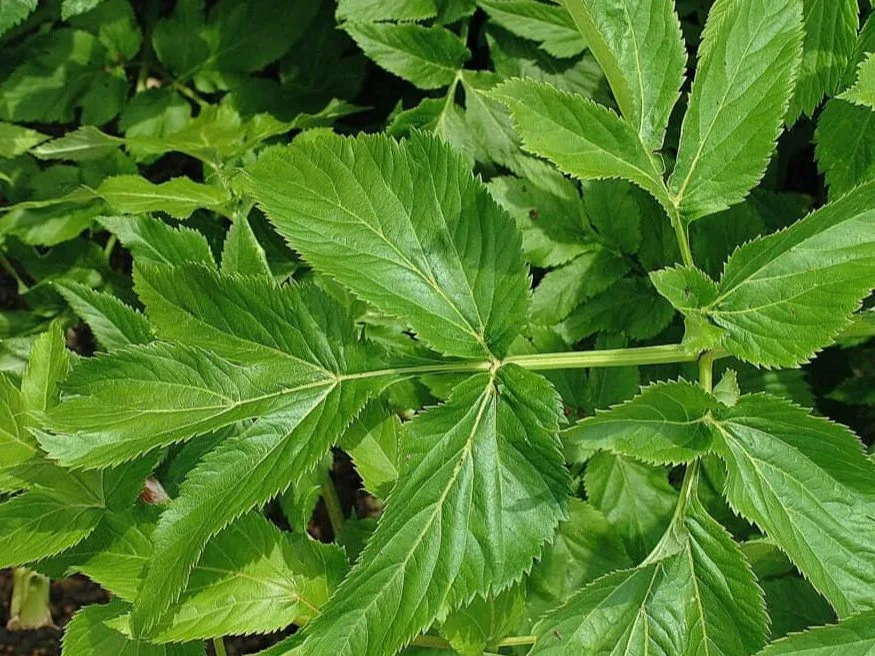
Angelica archangelica
A towering aromatic biennial once prized for candied stems, preserves and liqueurs.
Explore this plant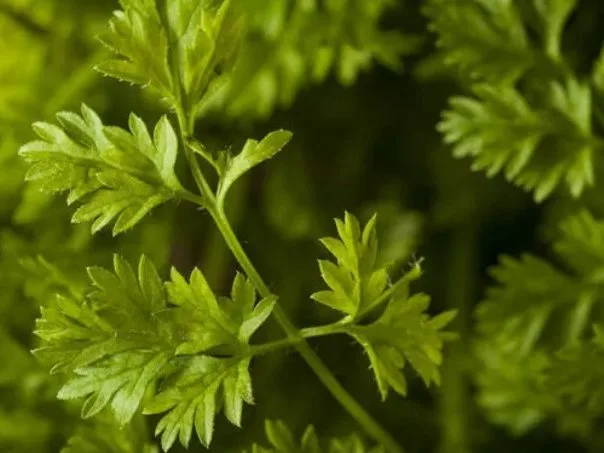
Anthriscus cerefolium
A delicate old kitchen-garden herb with a soft parsley-and-anise flavour.
Explore this plant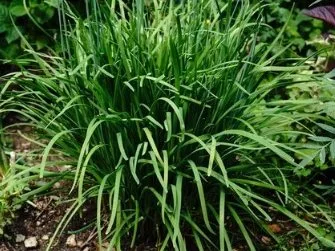
Allium tuberosum
A perennial chive with flat leaves and a gentle garlic flavour — cut it repeatedly, eat the flowers and divide the clump when you want more.
Explore this plant