Food, healing herbs, useful household plants and self-sufficiency.
5th–15th century
Medieval gardens
Practical, resilient, and rooted in daily survival. Monastery gardens, medicinal herbs, and reliable vegetables formed the backbone of medieval life.
Monasteries, manor houses and castle grounds, often protected within walled enclosures.
Ordered areas for herbs, vegetables, fruit and flowers, with raised beds and simple paths.
A more organised form of practical gardening where shelter, order and dependable production worked together.
A closer look
What medieval gardens were like
Medieval gardens (5th–15th century) were practical, purposeful spaces shaped by daily necessity rather than decoration. They supplied food, healing herbs, and plants rich in symbolic meaning, most commonly within monasteries, manor houses, and castle grounds. Monks played a central role in their development, refining both layout and planting with a focus on order, usefulness, and self-sufficiency. These gardens were carefully organised into distinct areas for herbs, vegetables, fruits, and flowers, reflecting both spiritual ideals and practical needs. Walled enclosures provided shelter and protection, reducing wind and frost while creating a controlled growing environment. Although many plants were native, trade and travel gradually introduced valued newcomers such as Alexanders, prized for its versatility. Raised beds and simple pathways eased maintenance, making medieval gardens a reliable source of sustenance and a quiet expression of harmony between purpose, faith, and nature.
Walled growing spacesRaised beds and pathsHerbs, vegetables, fruit and flowers
Plants from this era
Explore the crops, herbs and useful plants
These are the plants in the Forgotten Garden collection associated with this era. Click any one to follow its story into the modern garden.
Awaiting restock
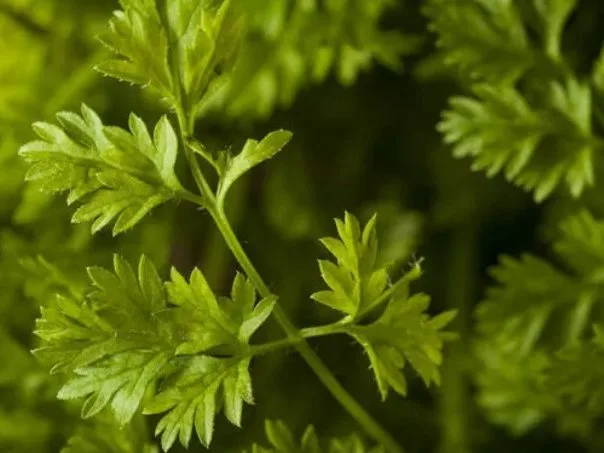
Chervil
Anthriscus cerefolium
AnnualDelicate anise flavourPart shade
A delicate old kitchen-garden herb with a soft parsley-and-anise flavour.
Explore this plant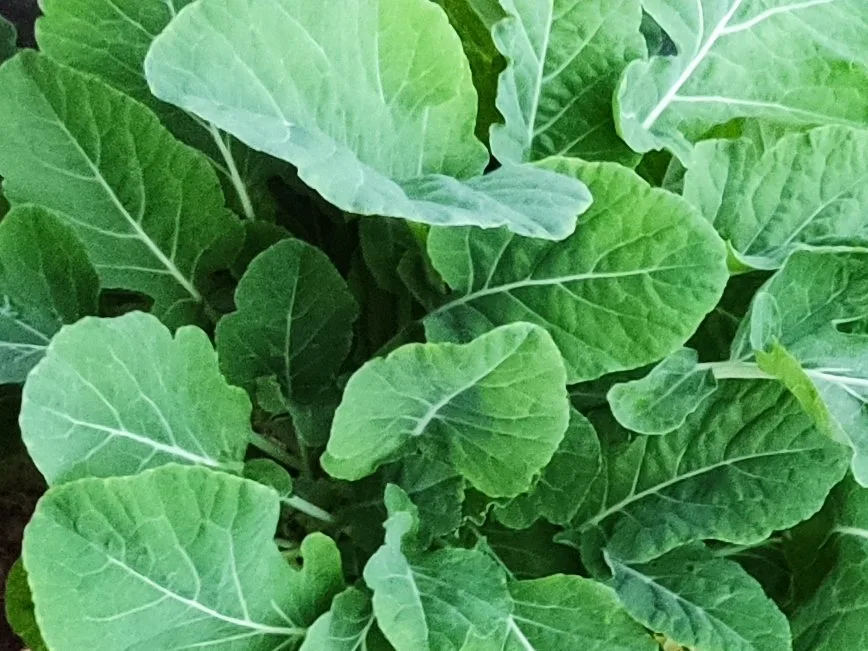
Out of stockFrom £13.99
Ewiger Kohl
Brassica oleracea var. ramosa
Perennial“Everlasting cabbage”Cut-and-come-again
Its name means “everlasting cabbage” — a perennial kale that can crop for years without being resown.
Explore this plant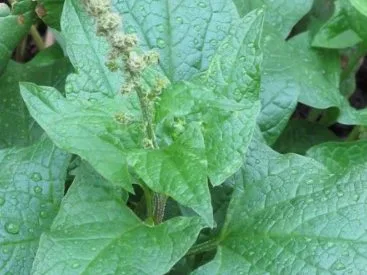
Awaiting restock
Good King Henry
Chenopodium bonus-henricus
PerennialHistoric spinachEdible shoots
A once-familiar cottage-garden vegetable with spinach-like leaves and spring shoots sometimes called “poor man’s asparagus”.
Explore this plant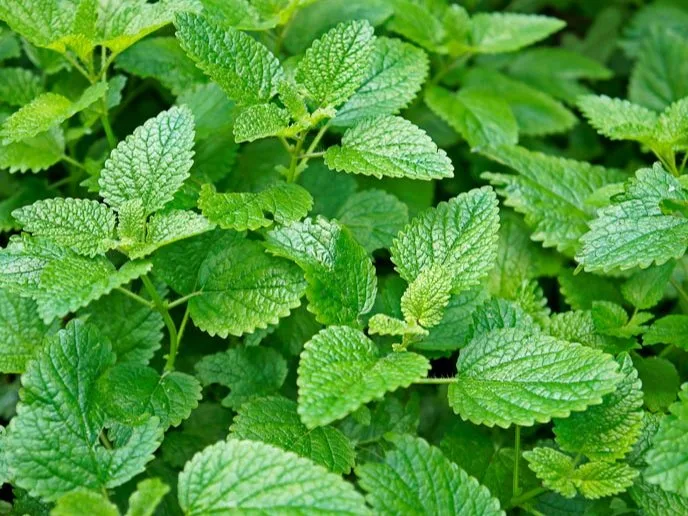
Awaiting restock
Lemon Balm
Melissa officinalis
PerennialLemon scentedPollinator friendly
A vigorous lemon-scented perennial herb that brings fragrance, tea leaves and pollinators to the garden.
Explore this plant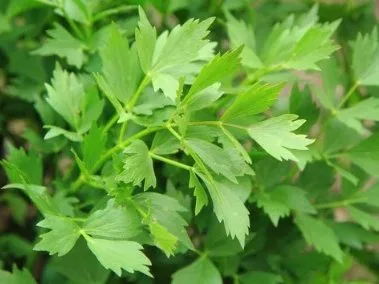
In stock£8.99
Lovage
Levisticum officinale
PerennialCelery flavourHuge harvest
One established plant can become a towering perennial supply of bold celery-like leaves, stems and seeds.
Explore this plant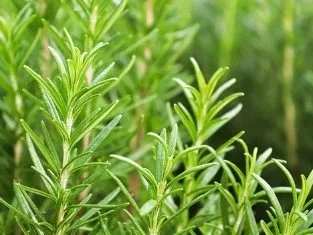
Awaiting restock
Rosemary
Salvia rosmarinus
PerennialDrought tolerantEvergreen
An evergreen Mediterranean herb that earns its space all year with fragrance, flavour and resilience.
Explore this plant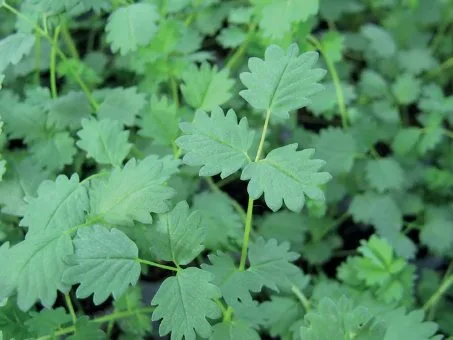
In stock£9.99
Salad Burnet
Sanguisorba minor
PerennialCucumber flavourDrought tolerant
A hardy perennial salad herb whose young leaves taste surprisingly like cucumber.
Explore this plant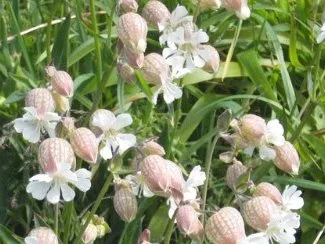
Awaiting restock
Sculpit
Silene inflata
PerennialNutty flavourItalian herb
A little-known Italian herb with tender leaves and a mild nutty flavour — the sort of plant people click because they have never heard the name.
Explore this plant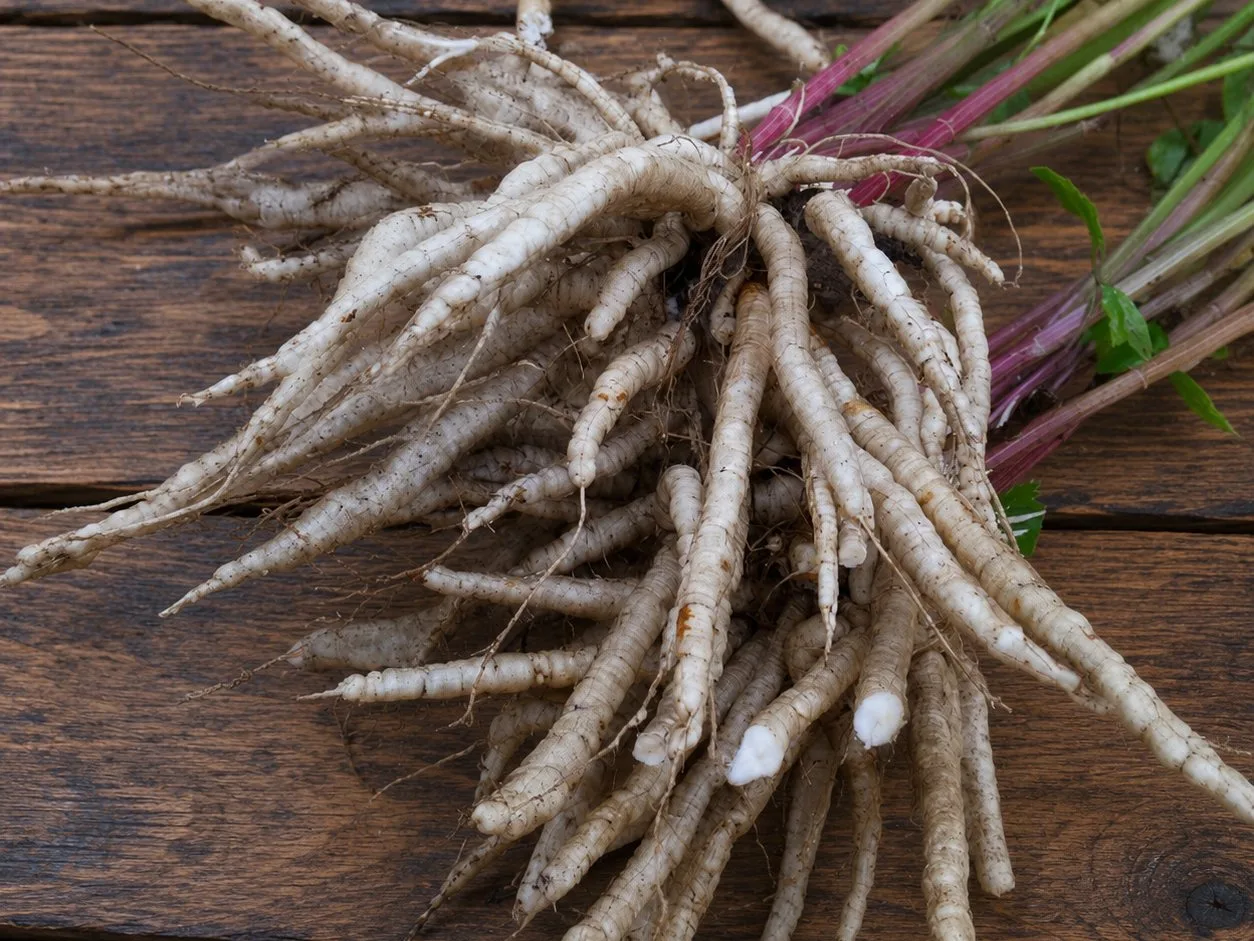
Out of stock14.99
Skirret
Sium sisarum
PerennialSweet rootsHistoric crop
A forgotten European root crop producing clusters of sweet, slender roots once prized in castle and monastery gardens.
Explore this plant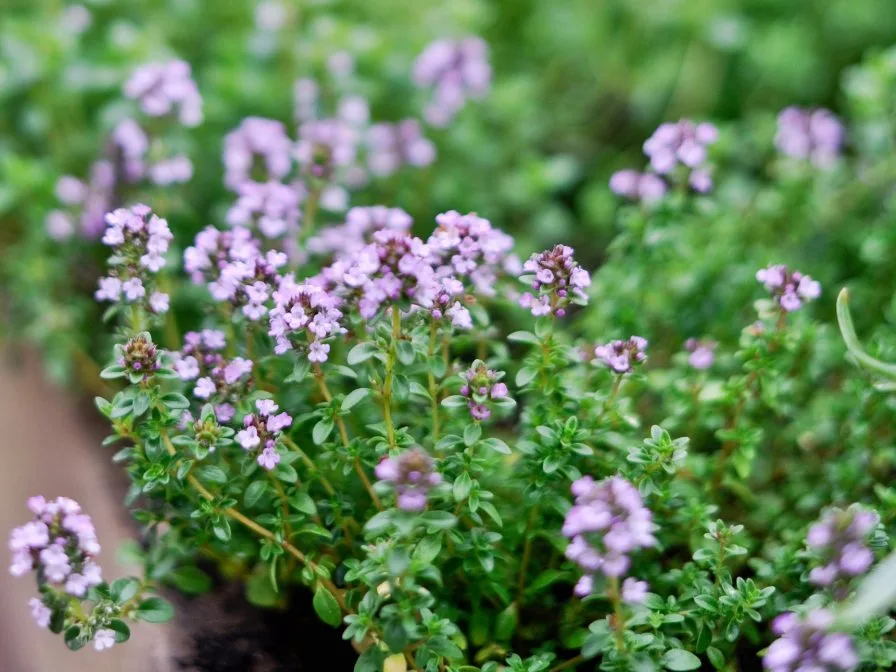
Awaiting restock
Thyme
Thymus vulgaris
PerennialDrought tolerantEvergreen
Small, aromatic and remarkably tough: a classic herb that likes sun, drainage and being left alone.
Explore this plant