Ancient Gardens
Ancient gardens (pre-5th century) grew from a close relationship between people and the natural world, where the boundary between wild and cultivated was often blurred. Shaped by early civilisations such as the Celts, Greeks, and Romans, these gardens focused on resilience, medicine, and dependable food rather than ornament. Plants were chosen for their usefulness, nourishing the body, treating illness, and supporting daily life through simple, repeatable harvests.
Many ancient garden plants were perennial, hardy, and deeply rooted in local landscapes, thriving with little intervention. Herbs and greens were commonly gathered from woodland edges, meadows, and hedgerows before gradually being brought closer to settlements for easier access. Knowledge of plants was passed down through observation and tradition, forming the foundations of later physic and kitchen gardens. These early growing spaces reflect a practical wisdom (working with nature rather than against it) and laid the groundwork for centuries of cultivated gardening that followed.
Historic Wild Celery
– Alexanders
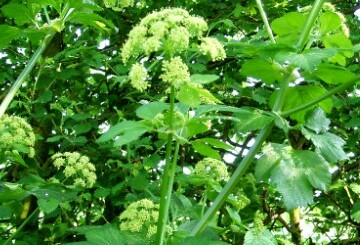
Alexanders (Smyrnium olusatrum)
A quiet favourite with a history stretching back to the Romans, Alexanders is a versatile and unassuming vegetable with a mild sweetness. Known as "Black Lovage," this tenacious biennial thrived in forgotten corners of Europe long after it was abandoned by formal gardeners. Now, it offers a reliable, low-maintenance yield to those willing to rediscover its subtle charm.
🌱 Biennial (self-seeding; returns reliably each year)
🌤️ Light: Full sun to partial shade
📏 Garden Size: Mature plants reach 100–180 cm tall, spreading up to 60 cm wide
🪴 Pot Size: Suitable for container growing (minimum 30 cm diameter, deep container recommended)
🥗 Flavour & Use: The mildly peppery leaves and tender, crunchy stems are delicious raw in salads or cooked in soups and stews. Once likened to asparagus, the stems offer a unique, aromatic sweetness. Dried seeds can be used as a fragrant spice.
💚 Nutrition & Health: Traditionally valued for its ability to aid digestion and reduce inflammation, Alexanders is a powerhouse of essential vitamins and nutrients. It is a rich source of vitamin C, potassium, and antioxidants.
💪 Resilience: A tough and unassuming survivor, Alexanders is highly resilient to common pests and capable of withstanding periods of drought. Its steadfast nature makes it a reliable choice for any garden, providing a consistent yield even in unpredictable conditions.
Succulent Salad Leaf
– Purslane
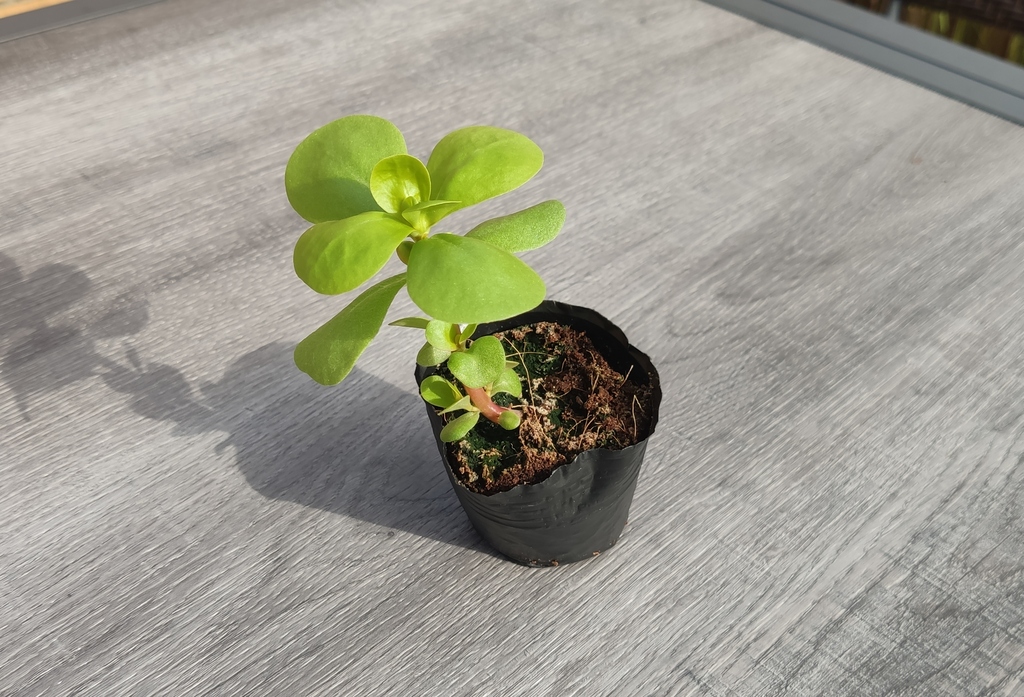
Purslane (Portulaca oleracea)
Often mistaken for a common weed, Purslane is a quick-growing succulent with a tangy, lemony bite. This low-spreading plant has been used for centuries across Asia, Europe, and the Middle East as both a culinary staple and a traditional medicine. With a history as rich as its nutrient profile, Purslane is an unassuming gem waiting to be rediscovered.
🌱 Annual (does not survive UK winters but self-seeds freely in warm soil)
🌤️ Light: Full sun
📏 Garden Size: Grows up to 40 cm tall, forming mats 45–60 cm across
🪴 Pot Size: Suitable for small to medium containers (minimum 15–20 cm deep)
🥗 Flavour & Use: With a slightly sour and refreshing taste, Purslane is perfect for adding a bright, zesty flavour to a range of dishes. It is delicious raw in salads, blended into smoothies, or cooked into soups and stews.
💚 Nutrition & Health: A true nutritional powerhouse, Purslane is one of the very few vegetables that contains a significant amount of omega-3 fatty acids, a key nutrient for heart health. It is also a fantastic source of vitamins A and C, magnesium, and potassium.
💪 Resilience: A tenacious survivor, Purslane is highly resistant to common pests and thrives in warm, dry conditions where other plants might struggle. It’s a low-maintenance, drought-tolerant herb that self-seeds freely, ensuring a consistent and reliable supply for your garden with minimal fuss.
Wild Spinach Leaf
– Lamb’s Quarters

Lamb’s Quarters (Chenopodium album)
An ancient staple found in Neolithic settlements, Lamb's Quarters (Chenopodium album) is a highly nutritious leafy green that has endured for millennia. Often called "wild spinach," this versatile plant has fed generations of foragers and traditional cooks. Its enduring presence and ability to thrive without fuss make it a living piece of history for any garden.
🌱 Annual (does not survive winter but self-seeds very easily in most UK gardens)
🌤️ Light: Full sun to partial shade
📏 Garden Size: Grows 10–150 cm tall, spreading around 45 cm wide
🪴 Pot Size: Suitable for medium containers (minimum 30 cm deep)
🥗 Flavour & Use: With a mild and earthy flavour similar to spinach, Lamb's Quarters is an incredibly versatile vegetable. It can be used raw in salads, cooked into soups or stir-fries, or simply sautéed as a side dish, bringing a taste of the wild to any meal.
💚 Nutrition & Health: A true ancient superfood, Lamb's Quarters is packed with essential nutrients. It is exceptionally rich in vitamins A, C, and K, as well as calcium, iron, and magnesium, making it fantastic for bone health and general vitality.
💪 Resilience: Having survived for thousands of years, this plant is naturally resilient. Lamb's Quarters is highly resistant to common pests and adapts easily to most soil conditions, making it a dependable, low-maintenance choice that thrives where other plants might not.
Lemon-Flavoured Herb
– Lemon Sorrel
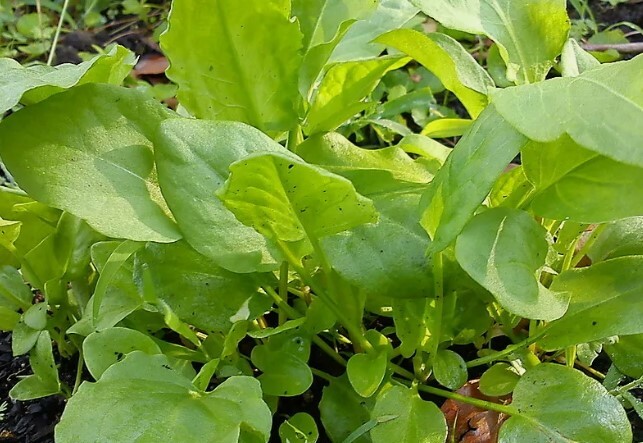
Lemon Sorrel (Rumex acetosa subsp. acetosa)
Lemon Sorrel (The Culinary Brightener)
A sharp, zesty herb with a vibrant citrusy punch, Lemon Sorrel (Rumex acetosa subsp. acetosa) has been a classic in European cooking for centuries. Its bright flavour is a timeless secret for cutting through richness and adding a fresh bite to everything from creamy soups to light spring dishes. It’s a simple plant with a powerful and elegant taste.
🌱 Perennial (dies back in winter and regrows each spring)
🌤️ Light: Full sun to partial shade
📏 Garden Size: Grows around 60 cm tall, spreading up to 30 cm wide
🪴 Pot Size: Ideal for medium containers (minimum 25–30 cm deep)
🥗 Flavour & Use: The tender leaves add a brilliant, lemony taste to dishes. Perfect for elevating salads, sauces, and seafood. It shines when blended into creamy soups or used as a fresh garnish to add a vibrant finish.
💚 Nutrition & Health: A simple way to invigorate your meals and your body, Lemon Sorrel is high in vitamin C and potassium. It is also rich in antioxidants, making it a fantastic addition for supporting digestion and immunity.
💪 Resilience: A reliable performer, Lemon Sorrel is highly resistant to common pests and returns faithfully each spring. It’s a hardy, low-maintenance herb that will brighten up your garden and your cooking for years to come.
Small Potato-Like Edible
Crop – Tiger Nuts
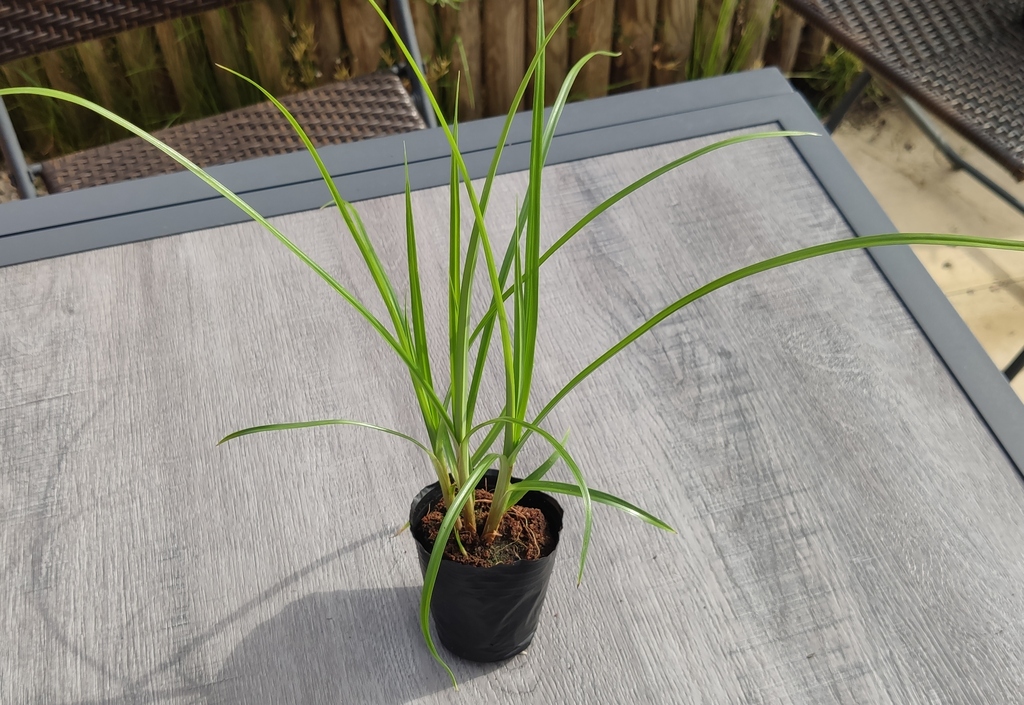
Tigernuts (Cyperus esculentus)
One of the world’s oldest cultivated crops, Tigernuts (Cyperus esculentus) were a staple in ancient Egypt and are now enjoying a modern revival. These sweet, nutty tubers grow just beneath the soil and are a fibre-rich, dairy-free superfood that is a surprisingly addictive snack.
🌱 Perennial (but grown as an annual in the UK due to frost sensitivity; harvest tubers in autumn and replant in spring)
🌤️ Light: Full sun
📏 Garden Size: Grows about 90 cm tall, forming clumps around 30 cm wide
🪴 Pot Size: Medium to large containers (minimum 30 cm deep); best results in loose, sandy soil
🥗 Flavour & Use: The sweet and nutty tubers can be eaten raw, roasted, or soaked to soften. They make a fantastic, wholesome snack and are also used to make tigernut milk—a creamy, naturally sweet dairy alternative.
💚 Nutrition & Health: A powerhouse of ancient nutrition, Tigernuts are high in fibre, healthy fats, magnesium, and antioxidants. These nutrients are great for supporting digestion, heart health, and providing long-lasting energy.
💪 Resilience: A hardy grower, Tigernuts are highly resistant to common pests and thrive in a variety of conditions. They prefer loose, sandy soil and can tolerate a range of temperatures, making them a low-maintenance, dependable crop.
Sweet Almond-Scented Herb
– Meadowsweet
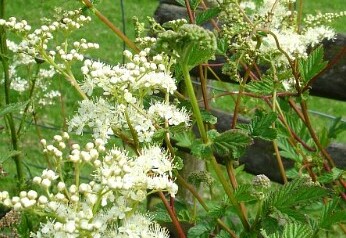
Meadowsweet (Filipendula ulmaria)
A fragrant herb once sacred to the Druids, Meadowsweet (Filipendula ulmaria) was a staple in medieval mead-making and herbal medicine. Its delicate, creamy white flower clusters add both beauty and a subtle almond-like scent to the garden. With a history steeped in ancient rituals and folklore, this plant offers a touch of mystical charm to any modern collection.
🌱 Perennial (dies back in winter and regrows each spring)
🌤️ Light: Full sun to partial shade
📏 Garden Size: Grows 100–200 cm tall, spreading up to 90 cm wide
🪴 Pot Size: Needs a large container (minimum 30–35 cm deep)
🥗 Flavour & Use: The sweet-scented flowers and leaves can be infused into teas, syrups, and cordials, or used to add a delicate almond or vanilla flavour to desserts and preserves. It's a key ingredient for mead-making enthusiasts.
💚 Nutrition & Health: A true gift from ancient nature, Meadowsweet contains salicylic acid, the natural compound found in aspirin. It was used historically for its powerful ability to relieve headaches, fevers, and inflammation.
💪 Resilience: A consistent and graceful performer, Meadowsweet is highly resistant to common pests and returns reliably each spring, offering a bountiful and beautiful harvest year after year. It thrives with minimal fuss in its preferred moist conditions.
Mild Edible Salad Leaf
– Chickweed

Chickweed (Stellaria media)
Often overlooked and routinely dismissed as a weed, Chickweed is one of the most quietly valuable edible plants in the garden. Known and used since antiquity, it has long provided fresh greens through the colder months when little else was available. Tender, fast-growing, and generous, Chickweed rewards attention with abundance rather than effort.
🌱 Annual (self-seeding; often reappears naturally year after year)
🌤️ Light: Full sun to partial shade
📏 Garden Size: Low-growing groundcover, typically 5–15 cm tall, spreading freely
🪴 Pot Size: Well suited to containers and trays (shallow pots or window boxes work well)
🥗 Flavour & Use: Mild, fresh, and slightly sweet, Chickweed is excellent raw in salads, sandwiches, and pestos, or lightly wilted like spinach. Its soft texture makes it especially appealing as a fresh green when young.
💚 Nutrition & Health: Traditionally valued as a cooling and soothing plant, Chickweed is rich in vitamins A and C, iron, calcium, and magnesium. It has a long history of use in folk traditions for supporting skin health and general wellbeing.
💪 Resilience: Exceptionally adaptable and fast to establish, Chickweed thrives in cool conditions and poor soils where other crops struggle. Its ability to grow quickly and self-seed makes it a dependable, low-input food plant — a quiet reminder that resilience often grows closest to the ground.
Traditional Edible Leaf
– English Plantain
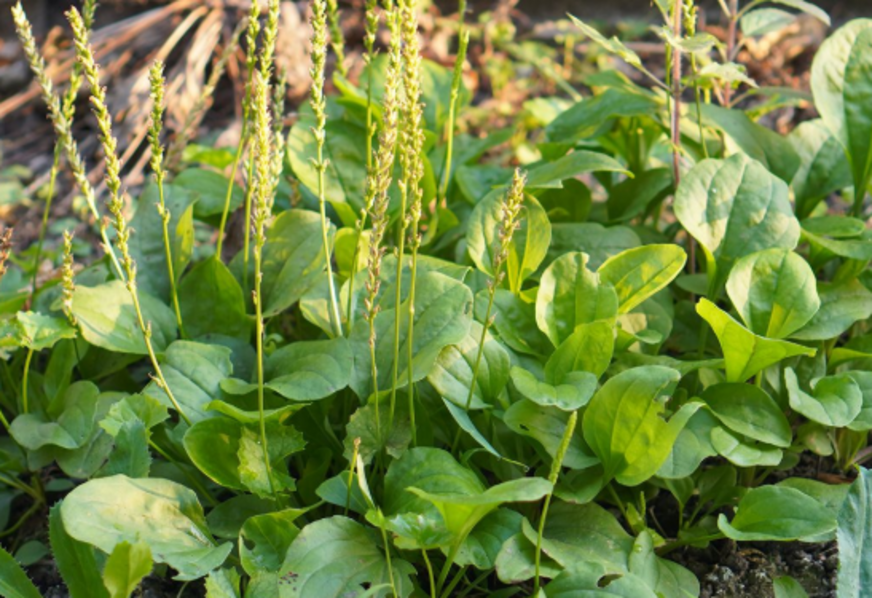
English Plantain (Plantago lanceolata)
A familiar presence underfoot for centuries, English Plantain is one of the most dependable and quietly useful plants in the ancient garden. Known long before formal cultivation, it was valued for its resilience and versatility, thriving wherever people lived and worked. Often gathered rather than sown, this unassuming perennial has supported daily life through food, medicine, and quiet reliability.
🌱 Perennial (returns year after year with minimal care)
🌤️ Light: Full sun to partial shade
📏 Garden Size: Low-growing rosette, typically 20–40 cm tall when in flower, spreading modestly
🪴 Pot Size: Suitable for containers (minimum 20 cm diameter); also thrives in poor soils and compacted ground
🥗 Flavour & Use: Young leaves can be eaten raw or lightly cooked, with a mild, slightly earthy flavour. Older leaves are best finely chopped or cooked to soften their texture. Seeds can be harvested and used as a traditional thickener or ground into flour.
💚 Nutrition & Health: Traditionally regarded as a powerful healing plant, English Plantain has long been used to support skin repair and soothe inflammation. It contains vitamins A, C, and K, along with calcium, iron, and beneficial plant compounds valued in folk traditions.
💪 Resilience: Exceptionally tough and adaptable, English Plantain thrives in poor soils, withstands trampling, and tolerates drought with ease. Its ability to flourish where little else will grow makes it a symbol of quiet endurance — a plant that asks almost nothing and gives steadily in return.
Traditional First Aid Herb
– Yarrow
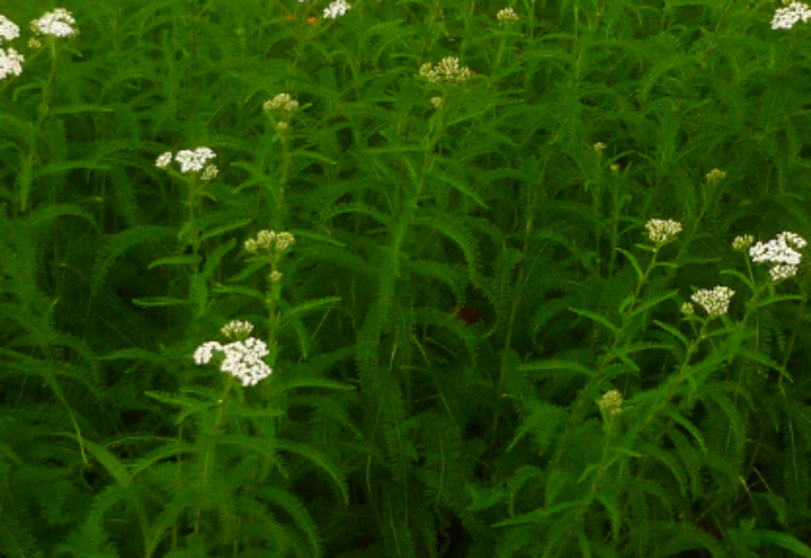
Yarrow (Achillea millefolium)
One of the oldest cultivated medicinal plants in Europe, Yarrow has followed people for millennia, growing along paths, fields, and settlement edges. Revered in ancient and medieval traditions alike, it was valued not only for its healing properties but for its reliability and ease. Hardy, aromatic, and deeply rooted in folklore, Yarrow embodies the practical wisdom of early gardens.
🌱 Perennial (long-lived and reliably returning each year)
🌤️ Light: Full sun to partial shade
📏 Garden Size: Upright growth reaching 40–80 cm tall, spreading gradually through clumps
🪴 Pot Size: Suitable for containers (minimum 25–30 cm diameter); thrives best in open ground with good drainage
🥗 Flavour & Use: Young leaves can be used sparingly in salads or cooked dishes, offering a slightly bitter, aromatic flavour. More commonly, Yarrow has been used as a herbal infusion or flavouring, where its distinctive taste can be appreciated in moderation.
💚 Nutrition & Health: Traditionally used both internally and externally, Yarrow was valued for supporting wound care, circulation, and digestion. Fresh leaves were often crushed and applied to cuts to help stop bleeding, while dried flowers and leaves were used in teas and infusions. Rich in beneficial plant compounds and antioxidants, it was a staple of early physic gardens, relied upon for its broad and dependable usefulness.
💪 Resilience: Exceptionally tough and drought tolerant, Yarrow thrives in poor soils and exposed conditions where many plants fail. Its deep roots and self-sufficiency make it a dependable, low-maintenance perennial — a plant shaped by survival as much as tradition.
Garlic-Flavoured Wild Leaf
– Wild Garlic

Wild Garlic (Allium ursinum)
A true herald of spring, Wild Garlic has been gathered and valued for centuries as one of the first fresh greens to appear after winter. Flourishing in damp woodland and shaded hedgerows, it was an important seasonal food long before cultivated garlic became common. Fragrant, generous, and easy to grow, Wild Garlic brings both flavour and reliability to the ancient garden.
🌱 Perennial (returns reliably each year, spreading naturally over time)
🌤️ Light: Partial to full shade (tolerates light sun in moist conditions)
📏 Garden Size: Grows 20–40 cm tall, forming dense clumps that gradually spread
🪴 Pot Size: Suitable for large containers (minimum 25–30 cm diameter); deep pots recommended to accommodate bulbs
🥗 Flavour & Use: Leaves have a mild garlic flavour and can be used raw in salads, pestos, and butters, or gently cooked in soups and sauces. Flowers are edible and decorative, while bulbs can be used sparingly once established, though leaves are traditionally preferred.
💚 Nutrition & Health: Traditionally used as a spring tonic, Wild Garlic was valued for supporting digestion and circulation after winter scarcity. Rich in vitamin C, iron, and sulphur-containing compounds, it was gathered to refresh and restore the body at the start of the growing season.
💪 Resilience: Exceptionally hardy and self-sustaining, Wild Garlic thrives in cool, damp conditions and requires little intervention once established. Its ability to naturalise and return year after year makes it a dependable perennial crop, well suited to woodland gardens and shaded corners.