Medieval Gardens
Medieval gardens (5th–15th century) were practical, purposeful spaces shaped by daily necessity rather than decoration. They supplied food, healing herbs, and plants rich in symbolic meaning, most commonly within monasteries, manor houses, and castle grounds. Monks played a central role in their development, refining both layout and planting with a focus on order, usefulness, and self-sufficiency.
These gardens were carefully organised into distinct areas for herbs, vegetables, fruits, and flowers, reflecting both spiritual ideals and practical needs. Walled enclosures provided shelter and protection, reducing wind and frost while creating a controlled growing environment. Although many plants were native, trade and travel gradually introduced valued newcomers such as Alexanders, prized for its versatility. Raised beds and simple pathways eased maintenance, making medieval gardens a reliable source of sustenance and a quiet expression of harmony between purpose, faith, and nature.
Cucumber-Flavoured Salad
Herb – Salad Burnet
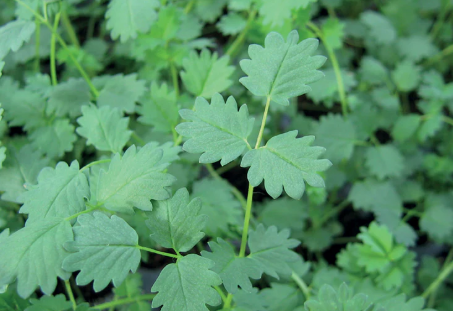
Salad Burnet (Sanguisorba minor)
Once a staple of medieval monastery and kitchen gardens, Salad Burnet (Sanguisorba minor) is an enduring herb that has proven its worth for centuries. Valued for its unique cucumber-fresh leaves and for its use in Tudor knot-gardens, this plant is a living piece of history. It offers carefree, evergreen greens that are perfect for pots or borders and provide a reliable harvest all season long.
🌱 Perennial (hardy; re-sprouts for many years)
🌤️ Light: Full sun to light shade
📏 Garden Size: 30–45 cm tall and wide
🪴 Pot Size: Medium container, ≥ 20–25 cm deep, with sharp drainage
🥗 Flavour & Use: The leaves add a mild, fresh cucumber note that elevates salads, dressings, and summer drinks. It is also a fantastic addition to herbal butters and light soups. Add the leaves fresh just before serving to get the best taste.
💚 Nutrition & Health: A traditional astringent with a history of use in tonics to help staunch bleeding, Salad Burnet is rich in vitamin C and antioxidant tannins. It was once brewed to aid in digestion and promote general wellness.
💪 Resilience: A truly reliable survivor, Salad Burnet is an evergreen that re-sprouts for many years with minimal fuss. It is highly resistant to common pests and holds its own in a variety of conditions, making it an excellent choice for a low-maintenance garden.
Spring Greens
– Ewiger Kohl
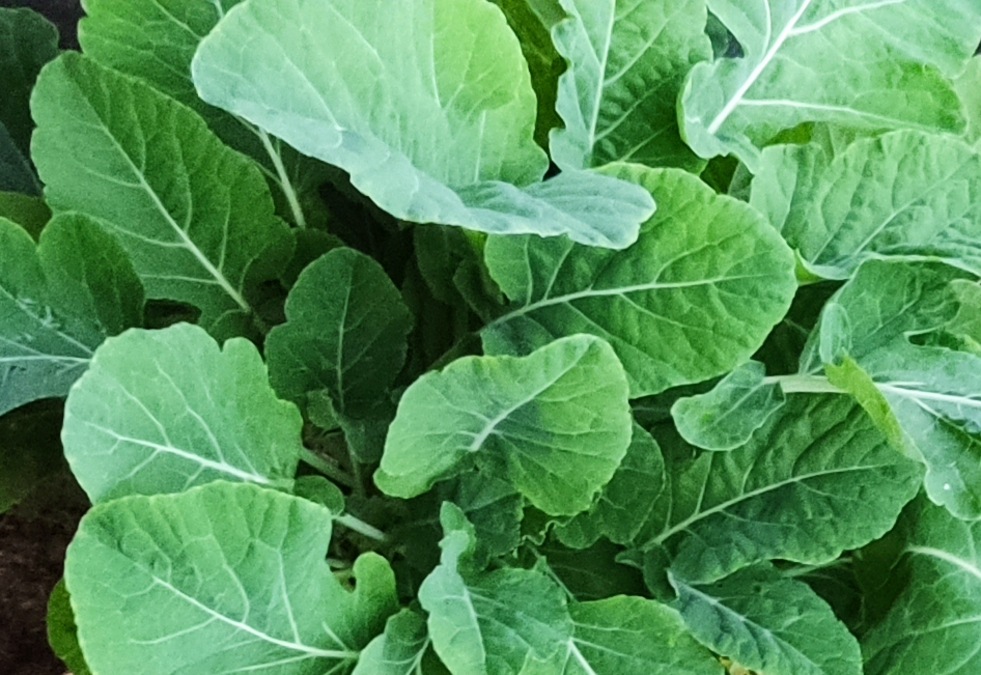
Ewiger Kohl (Brassica oleracea var. ramosa)
Also known as everlasting cabbage, Ewiger Kohl is a hardy, low-maintenance leafy green grown for its reliable harvests and tender spring leaves. Unlike the tougher Daubenton kale often sold elsewhere, this is a softer, more pleasant-leaved form that makes an excellent choice for the kitchen garden. Ideal for sustainable growing, it provides a steady supply of fresh greens with very little fuss.
🌱 Perennial
Evergreen in mild winters and quick to regrow strongly each spring.
🌤️ Light
Full sun to partial shade.
📏 Garden Size
Can reach around 90 cm tall and spread to approximately 60 cm wide.
🪴 Pot Size
Best in open ground, but can also be grown in a large container at least 35 to 40 cm deep.
🥗 Flavour & Use
Produces mild, tender leaves that are ideal as spring greens. Harvest as needed and use fresh when young, or cook in the same way as kale or cabbage in stir-fries, soups, and other savoury dishes.
💚 Why Grow It
A reliable perennial crop that returns year after year, making it a great choice for productive, low-maintenance gardens.
💪 Resilience
A tough and dependable plant that copes well in a range of conditions. Once established, it is easy to look after and rewards with repeat harvests over a long season.
Spinach Leaf
– Good King Henry
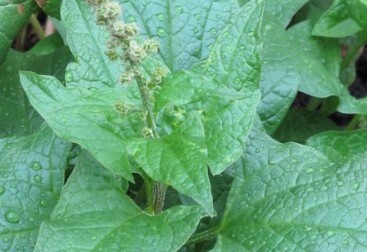
Good King Henry (Chenopodium bonus-henricus)
Once a staple across Europe, Good King Henry (Chenopodium bonus-henricus) was a plant for everyone. Also called “poor man’s asparagus,” its tender shoots and rich, spinach-like leaves made it a go-to green for both humble cottage gardens and elaborate castle kitchens. It’s a versatile and reliable plant, loved for its simple, hearty nature and its ability to provide two different harvests.
🌱 Perennial (dies back in winter and regrows each spring)
🌤️ Light: Full sun to partial shade
📏 Garden Size: Grows 45–90 cm tall, spreading around 30 cm wide
🪴 Pot Size: Best in medium containers (minimum 25–30 cm deep), but thrives even better in open ground
🥗 Flavour & Use: This dual-purpose plant offers both young shoots that can be cooked like asparagus and rich, earthy leaves perfect for soups, stews, or sautéed dishes. The seeds can even be ground into a rustic flour.
💚 Nutrition & Health: A humble but powerful source of nourishment, Good King Henry is high in iron, calcium, and vitamins A & C. These nutrients are fantastic for supporting bone strength, boosting energy, and providing immune support.
💪 Resilience: A truly steadfast plant, Good King Henry is highly resistant to common pests and returns reliably each spring with very little fuss. It’s a dependable perennial that thrives even better in open ground, making it a low-maintenance, long-lasting addition to any garden.
Parsley-Flavoured Salad
Herb – Chervil
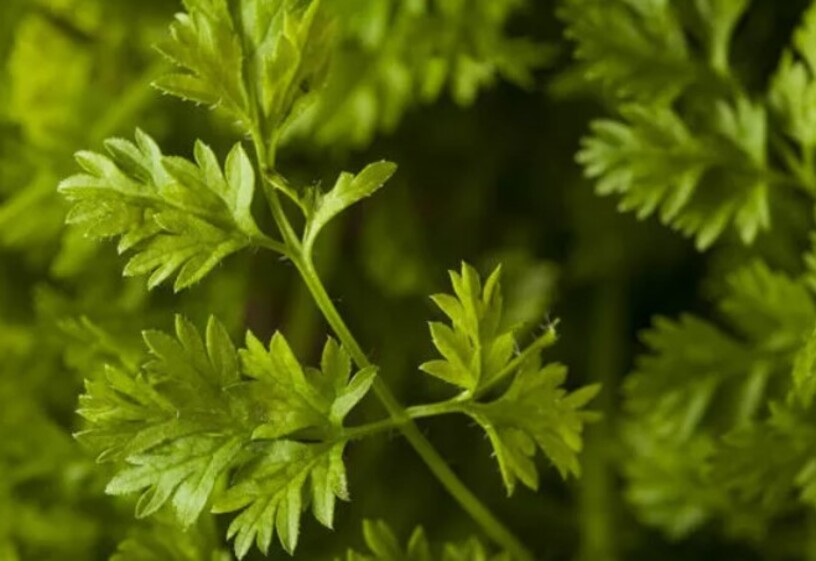
Chervil (Anthriscus cerefolium)
Often called “gourmet parsley,” Chervil (Anthriscus cerefolium) is a delicate herb with a subtle, anise-like flavour that is essential to classic French cooking. Once grown in monastery gardens, this elegant annual brings a refined touch to soups, salads, and egg dishes. It's a plant for the discerning cook who understands that a little refinement can make all the difference.
🌱 Annual (does not survive winter; reseed each spring or return to The Forgotten Garden for fresh stock)
🌤️ Light: Partial shade to full sun (prefers cooler conditions)
📏 Garden Size: Grows 30–60 cm tall, spreading 30–45 cm wide
🪴 Pot Size: Perfect for small to medium containers (minimum 15–20 cm deep)
🥗 Flavour & Use: Best used fresh to preserve its delicate, aniseed flavour. The leaves can be stirred into soups, omelettes, or salads right at the end of cooking, or used to add a sophisticated note to sauces and dressings.
💚 Nutrition & Health: A delicate powerhouse of vitamins, Chervil is naturally high in vitamins A and C and is a good source of manganese. It has been used traditionally to support digestion and strengthen immunity.
💪 Resilience: Thriving in cooler conditions, this elegant herb is highly resistant to common pests. Chervil flourishes in partial shade, making it a low-fuss and reliable addition to your garden that adds a consistent touch of class to your kitchen.
Strong Celery-Flavoured
Herb – Lovage
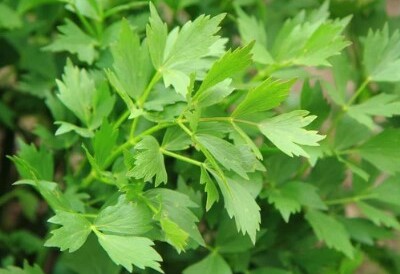
Lovage (Levisticum officinale)
A bold, aromatic herb with a powerful celery-like flavour, Lovage (Levisticum officinale) was once a staple in apothecaries and kitchens alike. Known for its commanding presence, just one plant can flavour an entire garden’s worth of meals. It's a confident, singular addition that offers a significant return, cementing its place as a favourite of gardeners and cooks.
🌱 Perennial (dies back in winter and regrows each spring)
🌤️ Light: Full sun to partial shade
📏 Garden Size: Grows 90–180 cm tall, spreading up to 90 cm wide
🪴 Pot Size: Needs a large container (minimum 45 cm deep and wide); thrives best in open ground
🥗 Flavour & Use: With a bold, celery-like flavour, every part of the Lovage plant is edible. The leaves add a deep, rich note to soups and stews, while the stems can be candied or simmered in broths. The seeds are also a fantastic, bold spice.
💚 Nutrition & Health: Historically used in apothecaries for its medicinal properties, Lovage is rich in vitamin C, B-complex vitamins, and potassium. It is traditionally valued for supporting digestion and acting as a natural diuretic.
💪 Resilience: A truly robust and dependable perennial, Lovage is highly resistant to common pests and is built for the long haul. It grows with very little fuss and returns reliably each spring, providing a continuous harvest for years to come.
Sweet Edible Roots
– Skirret

Skirret (Sium sisarum)
A forgotten treasure of Europe, Skirret (Sium sisarum) was once prized for its tender, sweet roots. Grown in both castle gardens and monastery plots, this plant is a testament to the rewards of looking beyond the usual vegetables. Think of it as nature’s answer to a sweet, mild parsnip, a delightful flavour hidden just beneath the surface.
🌱 Perennial (dies back in winter and regrows each spring)
🌤️ Light: Full sun to partial shade
📏 Garden Size: Grows around 150 cm tall, spreading about 45 cm wide
🪴 Pot Size: Needs a deep container (minimum 30–35 cm) to support strong root development
🥗 Flavour & Use: The sweet and nutty roots are incredibly versatile. They are ideal for boiling, roasting, or adding to soups and stews, their subtle flavour pairs beautifully with butter, cream, or savoury herbs.
💚 Nutrition & Health: A source of nourishment that’s worth digging for, Skirret is high in fibre and a good source of vitamins B and C. It is also valued for supporting digestion and helping with energy metabolism.
💪 Resilience: A truly hardy and dependable perennial, Skirret is highly resistant to common pests and holds its own in a variety of conditions. Its robust root system ensures a sweet and reliable harvest for years to come.
Italian Salad Herb
– Sculpit
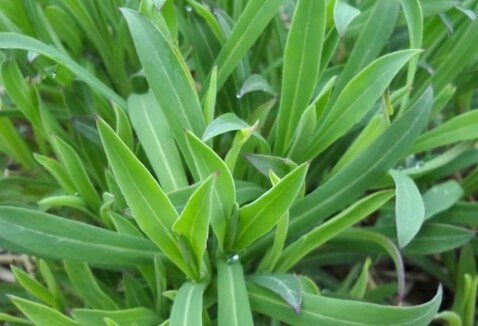
Sculpit (Silene inflata)
Also known as Bladder Campion, Sculpit is a traditional Italian herb. It is a quiet, culinary secret, treasured for its delicate, nutty flavour and graceful leaves. Often whispered about in small villages, this plant adds an authentic touch to spring dishes like risottos, omelettes, and pasta fillings. It’s a sophisticated addition to any garden, a plant for those in the know.
🌱 Short-lived perennial (may die back in winter but often self-seeds reliably)
🌤️ Light: Full sun to partial shade
📏 Garden Size: Grows 20–80 cm tall, spreading around 30 cm wide
🪴 Pot Size: Suitable for medium containers (minimum 20–25 cm deep)
🥗 Flavour & Use: The young leaves are tender and delicate, with a mild, nutty taste that is perfect for salads, soups, and sautéed dishes. Their sophisticated flavour shines when added to pasta fillings or used as a substitute for spinach.
💚 Nutrition & Health: A traditional source of vitality, Sculpit contains both vitamins A and C and is rich in antioxidants. Historically, it was used to support immune health and promote overall well-being.
💪 Resilience: An unassuming survivor, Sculpit is surprisingly hardy. It returns reliably each year and can handle a variety of conditions, making it a dependable, low-maintenance choice for gardeners who want to bring a piece of Italy into their home.
Lemon-Scented Calming
Herb – Lemon Balm
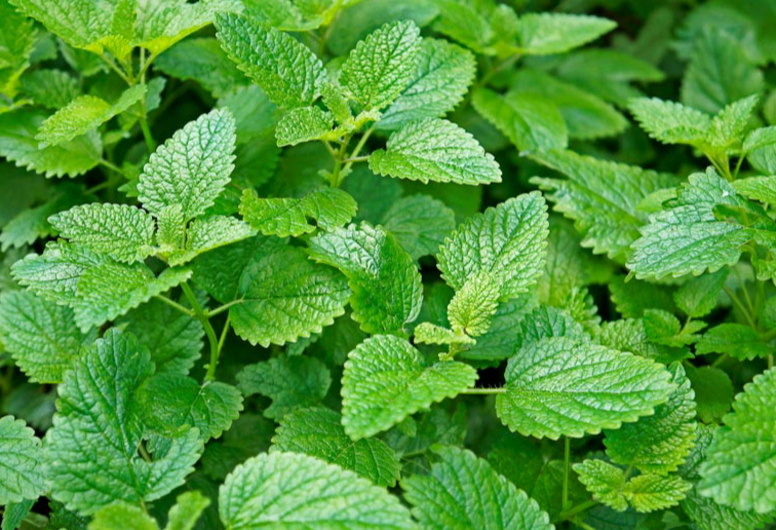
Lemon Balm (Melissa officinalis)
Long cherished for its gentle fragrance and calming presence, Lemon Balm has been grown in gardens since antiquity. Favoured by monks and household gardeners alike, it was valued as much for its soothing qualities as for its easy nature. Hardy, generous, and quietly uplifting, Lemon Balm brings both usefulness and grace to the garden.
🌱 Perennial (returns reliably each year and readily self-seeds)
🌤️ Light: Full sun to partial shade
📏 Garden Size: Bushy growth reaching 60–90 cm tall, spreading readily if left unmanaged
🪴 Pot Size: Well suited to containers (minimum 25–30 cm diameter) to control spread
🥗 Flavour & Use: Fresh leaves have a soft lemon scent and flavour, making them ideal for teas, syrups, desserts, and salads. Lemon Balm is best used fresh, as drying reduces its aromatic qualities.
💚 Nutrition & Health: Traditionally valued for calming the nerves and lifting the spirits, Lemon Balm was commonly used in teas and infusions to support relaxation and digestion. It contains antioxidants and aromatic oils long associated with gentle restorative effects.
💪 Resilience: Exceptionally easy to grow and forgiving of neglect, Lemon Balm thrives in a wide range of conditions and quickly establishes itself. Its vigorous nature and reliability make it a dependable perennial, well suited to both garden beds and containers.
Fragrant Culinary Herb
– Thyme
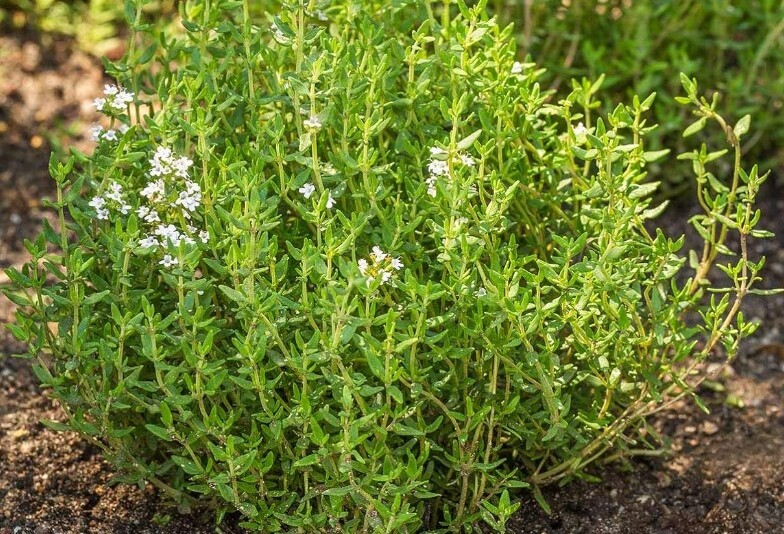
Thyme (Thymus vulgaris)
A small plant with an outsized history, Thyme has been grown and valued since ancient times for its flavour, fragrance, and resilience. Native to the Mediterranean and carried north through trade and cultivation, it became a staple of early gardens, prized for thriving where other plants struggled. Low-growing and evergreen, Thyme offers year-round usefulness from a modest footprint.
🌱 Perennial (evergreen; long-lived with minimal care)
🌤️ Light: Full sun (tolerates partial shade, but flavour is strongest in sun)
📏 Garden Size: Compact growth, typically 20–30 cm tall, spreading slowly to form low mats
🪴 Pot Size: Well suited to containers (minimum 20 cm diameter); prefers free-draining soil
🥗 Flavour & Use: Intensely aromatic with a warm, savoury flavour, Thyme is used fresh or dried to season vegetables, soups, stews, and meats. Its small leaves hold their flavour well when dried, making it a reliable year-round kitchen herb.
💚 Nutrition & Health: Traditionally used to support respiratory health and digestion, Thyme was commonly prepared as teas, infusions, or syrups. Rich in aromatic oils and antioxidants, it was valued in both culinary and household remedies for its strength and preserving qualities.
💪 Resilience: Exceptionally hardy once established, Thyme thrives in poor, dry soils and tolerates drought with ease. Its compact growth and tolerance of neglect make it an ideal low-maintenance perennial, suited to garden edges, containers, and sunny, exposed sites.
Fragrant Evergreen
Culinary Herb – Rosemary
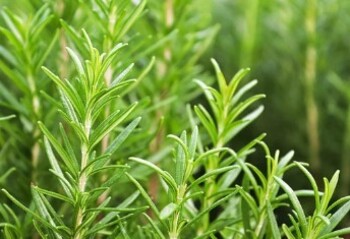
Rosemary (Salvia rosmarinus)
An evergreen mainstay of ancient and medieval gardens, Rosemary has long been valued for its fragrance, flavour, and symbolism. Native to the Mediterranean, it was carried north through trade and cultivation, where it became a cherished household plant despite cooler climates. Hardy, aromatic, and deeply associated with memory and protection, Rosemary earned its place close to the home.
🌱 Perennial (evergreen; long-lived with good drainage and shelter)
🌤️ Light: Full sun (sheltered position preferred)
📏 Garden Size: Upright, woody shrub reaching 60–150 cm tall, spreading gradually with age
🪴 Pot Size: Very well suited to container growing (minimum 30 cm diameter); pots allow winter protection and excellent drainage
🥗 Flavour & Use: Strongly aromatic with a warm, pine-like flavour, Rosemary is used fresh or dried to season vegetables, breads, meats, and oils. Young shoots are more tender, while mature leaves provide intense flavour when used sparingly.
💚 Nutrition & Health: Traditionally valued for supporting memory, circulation, and digestion, Rosemary was commonly prepared as teas, infusions, or infused oils. Rich in antioxidants and aromatic compounds, it was also used in household remedies and as a preservative herb.
💪 Resilience: Drought tolerant and long-lived, Rosemary thrives in poor, free-draining soils and benefits from minimal intervention. While sensitive to prolonged wet and cold, it rewards good positioning with years of dependable growth, making it a cornerstone plant for sunny gardens and containers.