Tudor Gardens
Tudor gardens (late 15th–early 17th century) marked a period of transition, where practicality began to meet curiosity and display. While kitchen gardens remained essential for food and medicine, increasing trade and exploration introduced new plants and ideas, expanding what could be grown in England. Gardens became more structured and intentional, reflecting both status and emerging horticultural knowledge.
Enclosed by walls or hedges, Tudor gardens were often divided into ordered beds laid out in geometric patterns, combining usefulness with visual symmetry. Familiar native crops grew alongside newly introduced vegetables and herbs, valued as much for novelty as for nourishment. This era saw the gradual shift from purely functional growing toward experimentation, setting the stage for the refinement and expansion of garden culture in the centuries that followed.
Purple Spinach Leaf
– Garden Orach
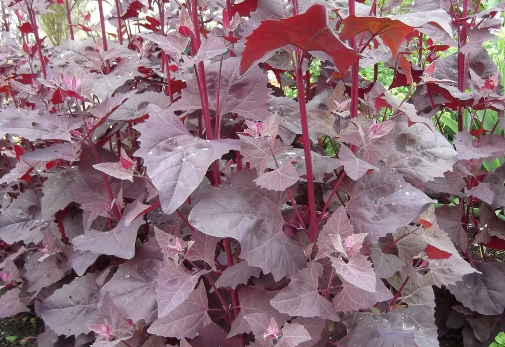
Garden Purple Orach (Atriplex hortensis)
Once more popular than spinach and a medieval monastery staple, Garden Orach (Atriplex hortensis) is a vibrant and confident leafy annual. Also known as "mountain spinach," this plant shrugs off summer heat and a variety of conditions, supplying tender, mildly salty leaves that brighten borders with beautiful crimson foliage. It is a bold statement piece and a smart alternative for any garden.
🌱 Annual (sow each spring or return to The Forgotten Garden for fresh stock)
🌤️ Light: Full sun (tolerates light shade)
📏 Garden Size: Stems 60–150 cm tall, clumps 30–45 cm wide
🪴 Pot Size: Medium–large container, at least 25–30 cm deep, with free-draining compost
🥗 Flavour & Use: Young leaves have a fresh, spinach-like flavour with a mild, savoury saltiness that works beautifully in salads. Larger leaves hold their vibrant colour when cooked in sautés, soups, and pies, and can be used in any recipe that calls for spinach, even on hot summer days.
💚 Nutrition & Health: A nutrient-dense powerhouse, Garden Orach is rich in vitamins A, C and K, as well as folate and minerals such as iron, potassium, and magnesium. It is a fantastic source of nutrition for supporting immunity, blood health, and bone strength.
💪 Resilience: A truly hardy performer, Garden Orach is highly resistant to common pests and holds its own during the summer heat. This is a dependable choice for any gardener, providing both beautiful, vibrant foliage and a consistent harvest with minimal fuss.
Oyster-Flavoured Root
Vegetable – Salsify
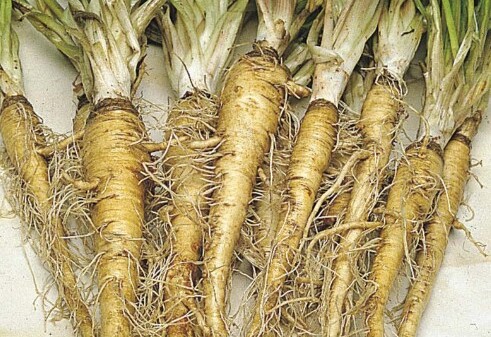
Salsify (Tragopogon porrifolius)
Nicknamed “oyster plant” for its mild, savoury flavour, Salsify (Tragopogon porrifolius) is a humble but delicious root crop with a reputation for rewarding a gardener's patience. Cultivated since the Middle Ages in monastery gardens, its long, tender roots offer an elegant taste that is worth the extra effort. For those who can master its needs, it is a culinary prize.
🌱 Biennial (grows over two years, may self-seed if flowers are left to mature)
🌤️ Light: Full sun
📏 Garden Size: Grows around 120 cm tall, with narrow spread (30 cm)
🪴 Pot Size: Requires a deep container (minimum 30 cm) to allow straight root growth.
🥗 Flavour & Use: The roots have a subtle oyster-like flavour that is delicate and lovely, especially when boiled, mashed, or roasted. They are a delightful addition to soups, stews, and creamy sauces.
💚 Nutrition & Health: A deeply nourishing root, Salsify is high in fibre, iron, and potassium. These nutrients are fantastic for supporting digestion, boosting energy, and promoting overall heart health.
💪 Resilience: While it requires specific care to grow a long, straight root, Salsify is a generally low-maintenance plant. It is highly resistant to common pests and holds its own in a variety of conditions, a testament to its quiet but determined nature.
⚠️ Note: Can self-seed prolifically. Remove flowers before they set seed if you want to control spread.
Leaf & Seed Crop
– Red Amaranthus
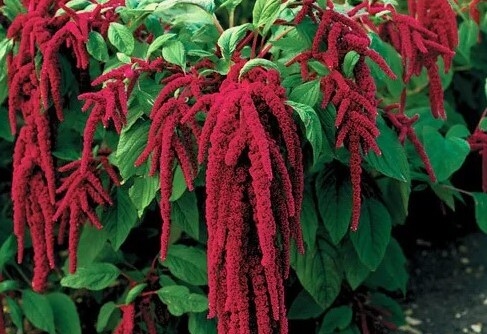
Red Amaranthus (Amaranthus caudatus)
With its vivid red leaves and towering, cascading seed heads, Red Amaranthus (Amaranthus caudatus) is both a beautiful statement and an ancient staple. Cultivated for thousands of years across the world, this bountiful crop was revered by the Aztecs and has now returned to offer both its stunning visual appeal and its abundant nutritional value.
🌱 Annual (does not survive UK winters; may self-seed in warmer conditions)
🌤️ Light: Full sun
📏 Garden Size: Can reach up to 200 cm tall, spreading about 60 cm wide
🪴 Pot Size: Medium to large containers (minimum 30 cm deep); best performance in open ground
🥗 Flavour & Use: Every part of this plant is useful. Its young leaves are mild and earthy, perfect for steaming, sautéing, or adding to soups. The protein-rich seeds can be toasted, cooked like a grain, or ground into a nutrient-dense flour.
💚 Nutrition & Health: Revered for its nutritional density, Amaranthus is packed with protein, iron, calcium, and vitamins A and C. It is a fantastic source of plant-based goodness that supports strong bones, healthy blood, and sustained energy levels.
💪 Resilience: A truly tenacious survivor, Red Amaranthus is highly resistant to common pests and holds its own in a variety of conditions. Its towering growth is a testament to its hardy nature, making it a dependable choice even for the beginner gardener.
Spring Greens Leaf
– Bistort

Bistort (Persicaria bistorta)
Once a familiar sight in meadows and kitchen gardens, Bistort was valued for its reliability and quiet usefulness. Grown and gathered for centuries, it became closely associated with springtime dishes and rural traditions, particularly before cultivated greens were widely available. With its elegant flower spikes and dependable nature, Bistort bridges the space between wild plant and deliberate crop.
🌱 Perennial (long-lived and returning reliably each year)
🌤️ Light: Full sun to partial shade
📏 Garden Size: Upright growth reaching 60–90 cm tall, forming tidy clumps
🪴 Pot Size: Suitable for large containers (minimum 30 cm diameter), though it performs best in open ground
🥗 Flavour & Use: Young leaves were traditionally used cooked rather than raw, with a mild, slightly astringent flavour. Best known as the main ingredient in dishes such as Easter-led pudding, Bistort provides a nourishing spring green when harvested early.
💚 Nutrition & Health: Traditionally valued for its astringent properties, Bistort was used to support digestion and soothe the gut. Rich in tannins and minerals, it was included in early physic gardens for its practical, dependable effects.
💪 Resilience: Hardy and unfussy, Bistort thrives in damp soils and cooler conditions where many plants struggle. Once established, it requires little care, returning each year with steady growth and offering both beauty and usefulness with minimal effort.
Traditional Coffee Root
– Chicory

Chicory (Cichorium intybus)
A plant of roadsides, fields, and early gardens, Chicory has been grown and gathered for centuries for both sustenance and strength. With its striking blue flowers and deep taproot, it was valued as a hardy, dependable crop that thrived where richer plants failed. Bitter, resilient, and deeply rooted, Chicory reflects an older approach to food — one that favoured usefulness over ease.
🌱 Perennial (returns reliably each year once established)
🌤️ Light: Full sun
📏 Garden Size: Upright growth reaching 60–120 cm tall, with a deep taproot and modest spread
🪴 Pot Size: Best grown in open ground; deep containers (minimum 40 cm depth) required if grown in pots
🥗 Flavour & Use: Roots can be harvested, dried, and roasted as a traditional coffee substitute, while flower buds and stems were also used in early kitchen gardens. Leaves have a pronounced bitter flavour and are best used young in salads or cooked to soften their intensity.
💚 Nutrition & Health: Traditionally valued for supporting digestion and liver health, Chicory was commonly used as a tonic plant. Rich in fibre, particularly inulin, along with vitamins and minerals, it was relied upon for its strengthening and cleansing qualities.
💪 Resilience: Deep-rooted and drought tolerant, Chicory thrives in poor, dry soils and exposed conditions. Its ability to draw nutrients from deep underground makes it a reliable survivor, returning year after year with minimal care.
Spinach Leaves and Fruits
– Strawberry Spinach
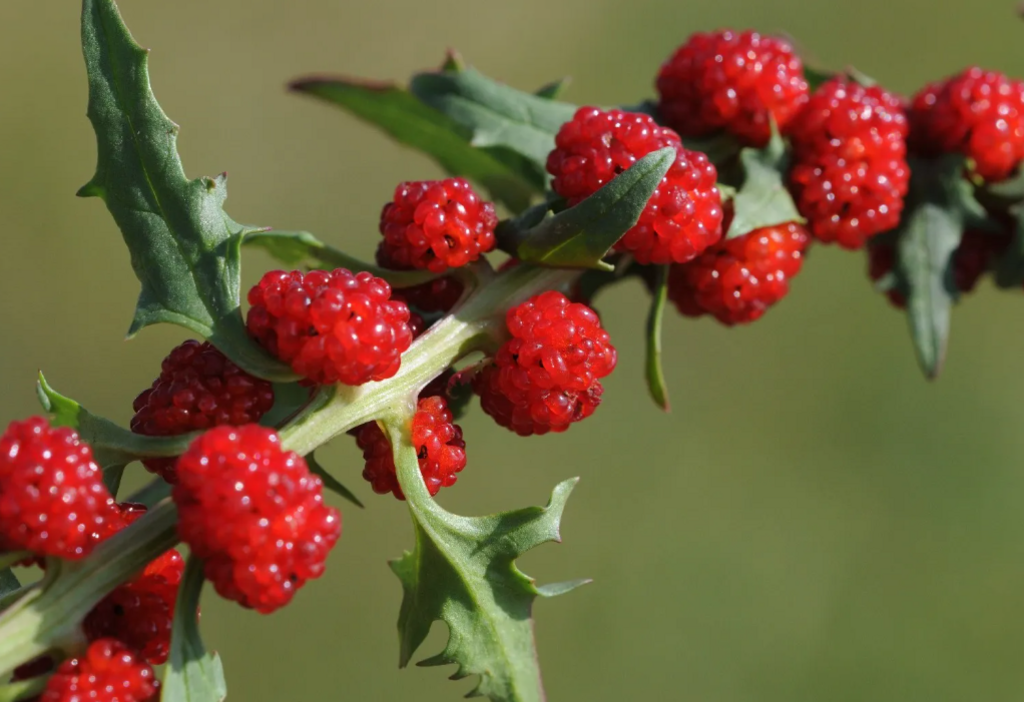
Strawberry Spinach (Blitum virgatum)
Strawberry Spinach is a curious and quietly charming plant, grown as much for interest as for use. Known in European gardens by the early modern period, it combines edible leaves with striking, berry-like seed clusters that blur the line between vegetable and ornament. Hardy and self-sufficient, it rewards curiosity rather than perfection.
🌱 Annual (readily self-seeding once established)
🌤️ Light: Full sun to partial shade
📏 Garden Size: Upright growth reaching 40–80 cm tall, with a light, branching habit
🪴 Pot Size: Suitable for containers (minimum 25–30 cm diameter); also thrives in beds and borders
🥗 Flavour & Use: Young leaves can be used much like spinach, either raw or lightly cooked, with a mild, earthy flavour. The bright red seed clusters are edible but subtly flavoured, best enjoyed fresh or used as a decorative addition to salads and summer dishes rather than a true fruit.
💚 Nutrition & Health: Traditionally grown more for sustenance than medicine, Strawberry Spinach provides vitamins A and C along with iron and other minerals common to leafy greens. Its value lies in reliable greens rather than sweetness, despite its name.
💪 Resilience: Easy-going and adaptable, Strawberry Spinach tolerates cool conditions and modest soils with ease. Once allowed to seed, it often returns year after year with little encouragement, making it a dependable and quietly productive garden companion.