Why grow it?
A permanent allium patch rather than a crop you sow every year. Babington’s Leek is ideal for gardeners who like perennial vegetables that can quietly bulk up and be divided over time.
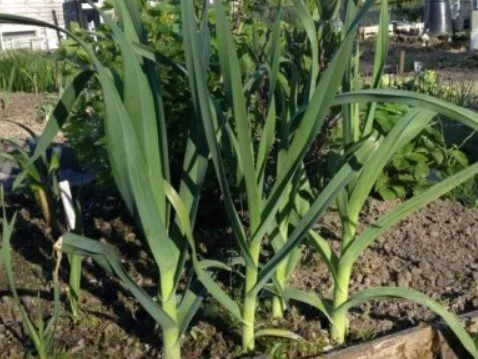
Perennial Vegetables
Allium ampeloprasum var. babingtonii
A perennial leek relative that returns year after year and even produces little bulbils at the top of its flower stem.
Each plant is grown in small batches and cared for individually before dispatch. Because these are living plants, their appearance naturally changes with the season — they may be compact and freshly potted at some times of year, or taller and more established at others. Plants are supplied healthy, well rooted and ready to continue growing on.
Why it belongs in a forgotten garden
A permanent allium patch rather than a crop you sow every year. Babington’s Leek is ideal for gardeners who like perennial vegetables that can quietly bulk up and be divided over time.
First noted by a Victorian botanist on the rugged Isles of Scilly in the 1830s, Babington’s Leek (Allium ampeloprasum var. babingtonii) is a true traveller. This perennial has journeyed from its wild coastal home to become a cherished cottage-garden favourite. Spreading reliably by underground bulbs, it offers a consistent harvest of mild leek-garlic greens for most of the year with almost no fuss.
Explore its place in Victorian garden history.
Growing guide
Fertile, free-draining soil in sun or light shade. Heavy wet winter ground is less suitable than a bed that drains reasonably well.
Light: Full sun
Water during establishment and in prolonged summer drought. Established clumps are comparatively undemanding.
Propagate by dividing offsets or planting bulbils produced on the flowering head. This is usually easier and more reliable than seed.
Keep weeds away from young clumps and divide congested plants every few years. Leave some bulbils to fall naturally if you want the patch to expand.
From garden to kitchen
Leaves can be cut from autumn through spring while tender; young stems and small bulbs can also be used, but avoid stripping a young clump completely.
Harvest leaves and smaller shanks through the growing season without exhausting the clump. Collect bulbils when mature if you want to propagate more plants.
Leaves, young flower stems, bulbils and bulbs.
The leaves and shanks have a mild leek-garlic flavour, perfect for cooking just like a standard leek. The top-set bulbils can be sautéed, pickled, or scattered raw for a gentle, allium-family crunch.
Nutritionally it behaves much like other alliums: useful as a flavouring vegetable and source of fibre and sulphur-containing plant compounds.
Worth knowing: Like other edible alliums, Babington’s Leek combines useful vitamins and minerals with fibre and the sulphur-containing compounds responsible for its characteristic leek-and-garlic flavour.
Traditional medicinal uses, where mentioned in the historical material, are included as history rather than medical advice.
Kitchen idea
A forgiving recipe that lets the mild perennial-leek flavour do the work.
How tough is it?
A plant that knows how to survive, Babington's Leek is highly resistant to common pests and is built for thriving with minimal intervention. Its hardy nature and ability to spread on its own make it an excellent, low-maintenance choice for any gardener.
Usually robust. Allium leaf miner, leek moth and rust can affect it in areas where those pests are active; good airflow and removing badly affected foliage help.
Flower heads are attractive to bees and other pollinators.
Large containers at least 30 cm deep; best long-term in open ground
Container plants generally need more frequent watering and feeding than the same plant in open ground.
Ready to grow it?
Each plant is grown in small batches and cared for individually before dispatch. Because these are living plants, their appearance naturally changes with the season — they may be compact and freshly potted at some times of year, or taller and more established at others. Plants are supplied healthy, well rooted and ready to continue growing on.
If this caught your eye…
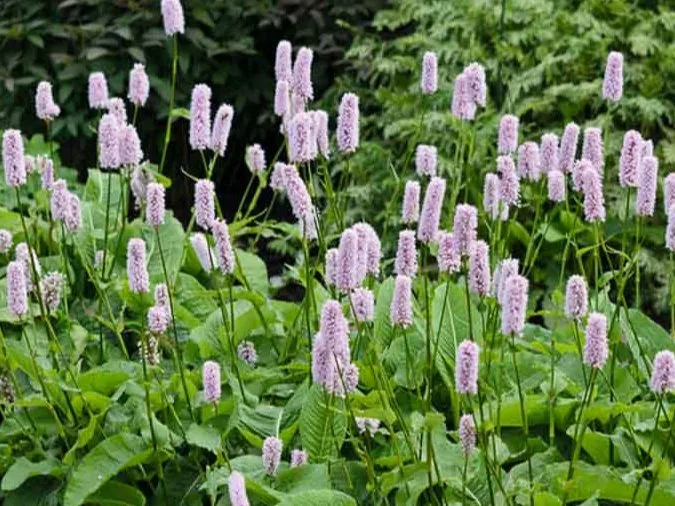
Persicaria bistorta
A hardy perennial once gathered for traditional spring greens and northern seasonal dishes.
Explore this plant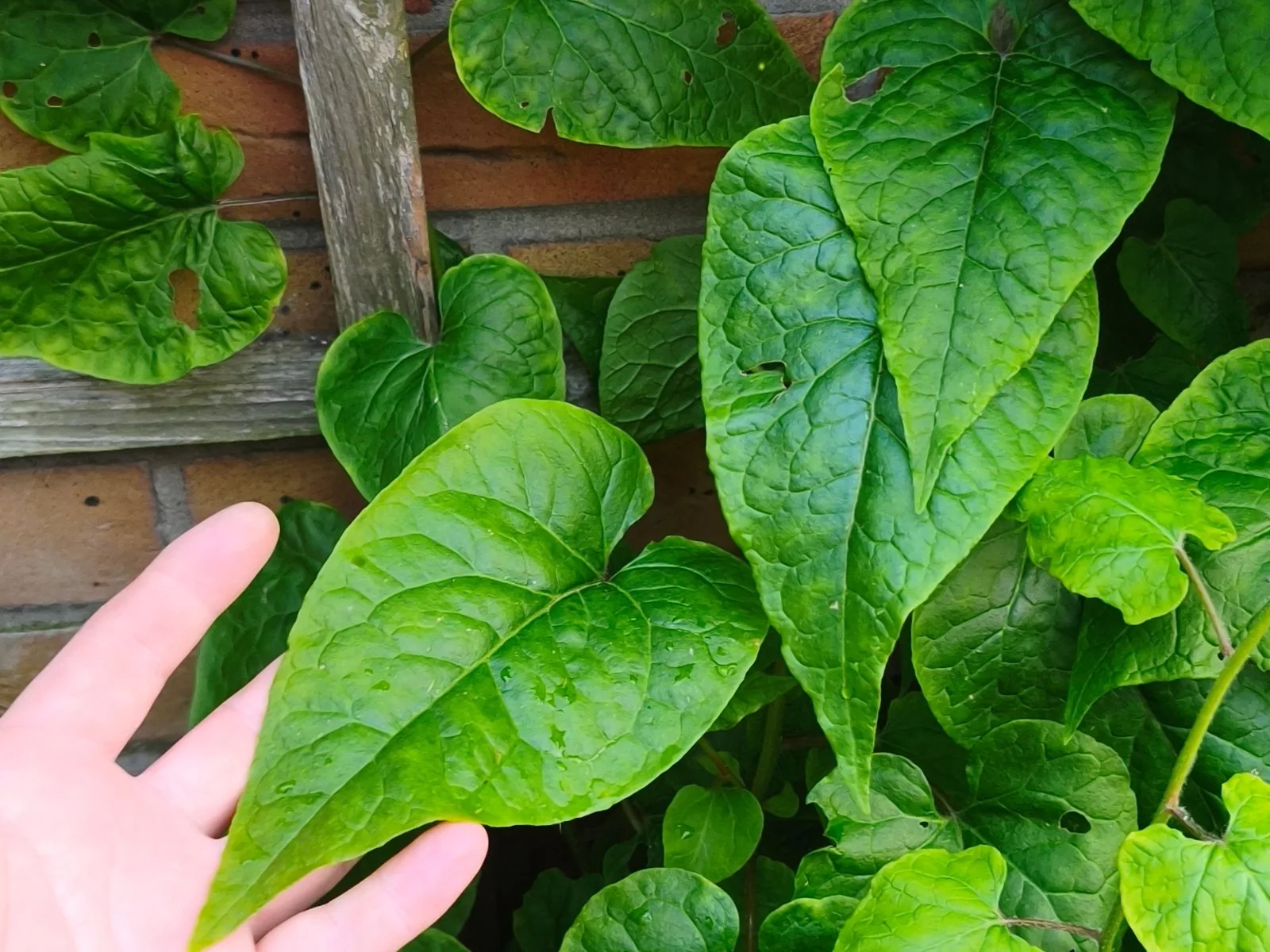
Hablitzia tamnoides
A rare perennial climbing spinach that actually likes shade and can produce edible shoots and leaves for decades.
Explore this plant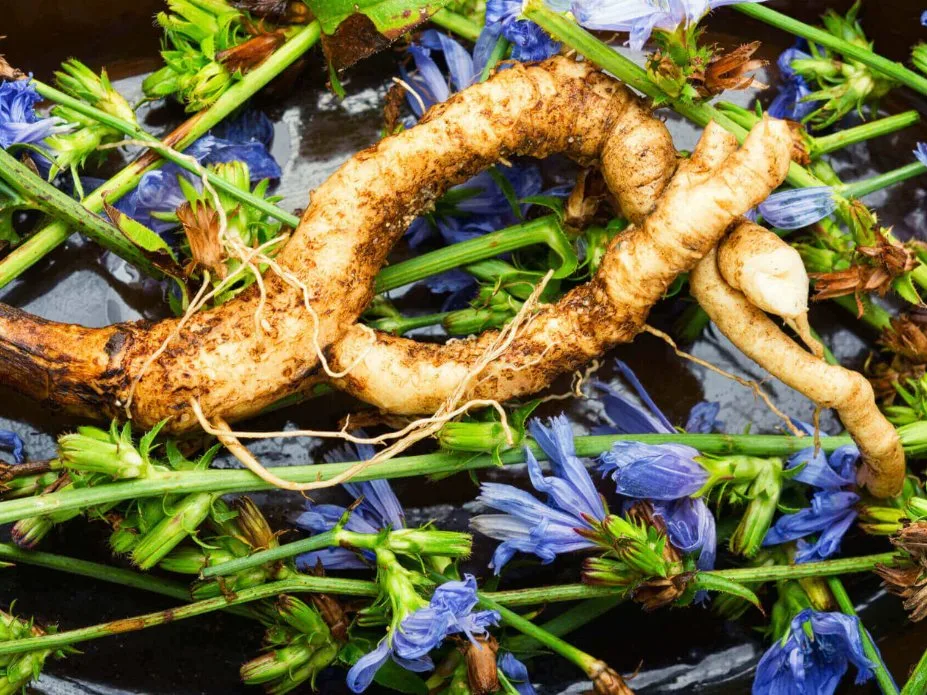
Cichorium intybus
A deep-rooted perennial with bitter leaves, vivid blue flowers and roots historically roasted as a coffee substitute.
Explore this plant