Free tracked UK delivery on plant orders DEFRA registered grower no. 153094
Caucasian Spinach

Perennial Vegetables

Caucasian Spinach

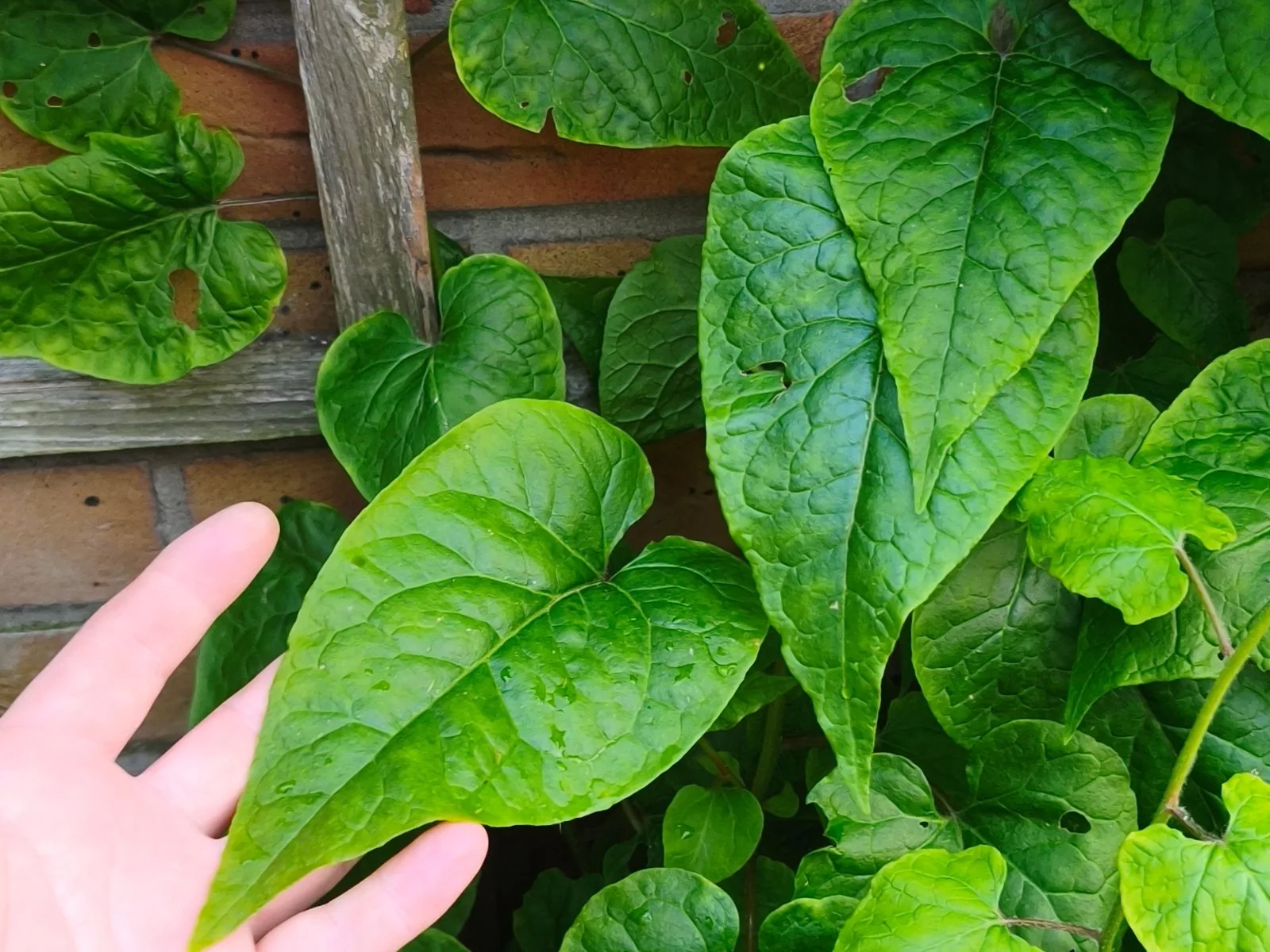
Hablitzia tamnoides

A rare perennial climbing spinach that actually likes shade and can produce edible shoots and leaves for decades.

PerennialShade lovingClimbing edible
Awaiting restock

Plants are grown on a small scale. The exact supplied size and format can vary with the season; when this item is available, the current sale details are shown here.

This plant is currently awaiting restock.
LifecyclePerennial (dies back in winter and regrows each spring, lives for decades once established)
PositionPartial to full shade
SoilDeep, fertile, moisture-retentive soil with plenty of organic matter. A cool root run suits it better than a hot, dry position.
Garden sizeVines can grow 2–3 metres long; plant 30–45 cm apart
ContainerNeeds a large, deep container (minimum 35–40 cm) with a trellis or support
Historic erasVictorian

Why it belongs in a forgotten garden

Caucasian Spinach — the story

Why grow it?

One of the strongest “what on earth is that?” plants in the collection. Caucasian Spinach gives a flush of edible spring shoots from a long-lived climbing perennial and is especially valuable because it can crop where many vegetables dislike the shade.

History & context

A rare perennial climber from the Caucasus, this shade-loving vine is a resilient powerhouse that will produce edible shoots and leaves for decades. Sometimes called “mountain spinach,” this plant is an incredibly hardy and low-maintenance solution for those awkward, shady corners where nothing else seems to thrive.

Explore its place in Victorian garden history.

Growing guide

How to grow Caucasian Spinach

Soil & position

Deep, fertile, moisture-retentive soil with plenty of organic matter. A cool root run suits it better than a hot, dry position.

Light: Partial to full shade

Water

Water well while establishing and during dry spring weather. Mulching helps keep the roots cool and moist.

Propagation

Usually raised from seed, which benefits from a cold period, or from division/cuttings where material is available. Young plants are slow at first and become much stronger once established.

Sowing referenceSow Oct–Nov, slow may take until Apr–MayDepth: 0.5 cm • Cold treatment: Yes

Ongoing care

Give it a trellis, fence or other support. Mulch in spring and guide new shoots onto support; mature plants can be cut back after the foliage dies down.

From garden to kitchen

Harvesting & eating it

When to harvest

The prime harvest is spring: take young shoots when tender, followed by soft young leaves. Once growth becomes older and more fibrous, stop harvesting heavily and let the plant build strength.

Once well established, cut the earliest shoots at around 10–15 cm and then pick leaves through the season. Young plants should be allowed to build strength before heavy harvesting.

What is edible?

Young shoots and tender leaves.

Flavour & cooking

The young shoots can be harvested when 10–15 cm tall and treated like asparagus. The mild, non-bitter leaves are superb raw in salads or can be blended into pesto. They also hold their own when sautéed, steamed, or folded into curries, pies, and soups.

Food value

Used as a leafy green, providing fibre and the broad range of micronutrients expected from green leaves. Specific nutrient values vary and are less well documented than for mainstream spinach.

Traditional medicinal uses, where mentioned in the historical material, are included as history rather than medical advice.

Kitchen idea

Buttered Caucasian Spinach shoots

Treat the young shoots rather like asparagus or a robust spring green.

You’ll need

  • 250 g young Caucasian Spinach shoots and leaves
  • 20 g butter
  • 1 small garlic clove, finely sliced
  • ½ lemon
  • 1 tbsp toasted hazelnuts or breadcrumbs
  • Salt and black pepper

Method

  1. Rinse the shoots and trim any tough base.
  2. Steam for 3–5 minutes until tender but still bright.
  3. Melt the butter in a pan and gently cook the garlic for 30 seconds.
  4. Add the drained shoots and toss for a minute with lemon juice, salt and pepper.
  5. Scatter over toasted hazelnuts or breadcrumbs before serving.

How tough is it?

Resilience, pests & garden value

Resilience

This plant is a true survivor. It is highly resistant to common pests and capable of withstanding a variety of conditions. Its natural ability to thrive in shade makes it a dependable, low-maintenance choice for gardeners with challenging light conditions.

Pests & practical problems

Usually comparatively pest resistant once established. Slugs and snails can be hard on very young shoots, so protect the first flush if your garden has heavy pressure.

Wildlife value

Its flowers are small and not the main attraction, but the permanent perennial structure adds diversity to a mixed edible garden.

Growing in a container

Needs a large, deep container (minimum 35–40 cm) with a trellis or support

Container plants generally need more frequent watering and feeding than the same plant in open ground.

Ready to grow it?

Caucasian Spinach

Plants are grown on a small scale. The exact supplied size and format can vary with the season; when this item is available, the current sale details are shown here.

Awaiting restock