
Why grow it?
Sculpit is exactly the sort of plant The Forgotten Garden should make people click: an unobtrusive campion relative whose young leaves are a traditional food in parts of Italy and the Mediterranean.
Herbs
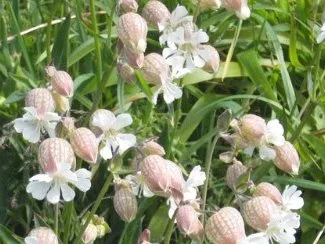
Silene inflata
A little-known Italian herb with tender leaves and a mild nutty flavour — the sort of plant people click because they have never heard the name.
Each plant is grown in small batches and cared for individually before dispatch. Because these are living plants, their appearance naturally changes with the season — they may be compact and freshly potted at some times of year, or taller and more established at others. Plants are supplied healthy, well rooted and ready to continue growing on.
Why it belongs in a forgotten garden
Sculpit is exactly the sort of plant The Forgotten Garden should make people click: an unobtrusive campion relative whose young leaves are a traditional food in parts of Italy and the Mediterranean.
Also known as Bladder Campion, Sculpit is a traditional Italian herb. It is a quiet, culinary secret, treasured for its delicate, nutty flavour and graceful leaves. Often whispered about in small villages, this plant adds an authentic touch to spring dishes like risottos, omelettes, and pasta fillings. It’s a sophisticated addition to any garden, a plant for those in the know.
Explore its place in Medieval garden history.
Growing guide
Well-drained soil in sun or light shade. It is fairly adaptable and becomes perennial once established.
Light: Full sun to partial shade
Water while young; established plants cope with ordinary dry periods but give softer leaves with steady moisture.
Raise from seed in spring or autumn. Established plants can also be divided.
Cut flowering stems back after bloom to encourage fresh basal leaves. Divide older clumps if they become woody or congested.
From garden to kitchen
Take young shoots and leaves before flowering, when texture is at its best. Later regrowth can provide another small harvest after cutting back.
Harvest young leaves and tender shoots before flowering for the softest texture and best flavour.
Young leaves and tender shoots.
The young leaves are tender and delicate, with a mild, nutty taste that is perfect for salads, soups, and sautéed dishes. Their sophisticated flavour shines when added to pasta fillings or used as a substitute for spinach.
Sculpit is a traditional leafy vegetable used mainly for flavour and variety. It contributes vitamins A and C and antioxidant plant compounds, and is normally eaten in modest quantities.
Worth knowing: Sculpit is best valued as a traditional aromatic green, adding vitamins A and C and antioxidant plant compounds to dishes such as risotto, frittata and savoury fillings.
Traditional medicinal uses, where mentioned in the historical material, are included as history rather than medical advice.
Kitchen history
In parts of Italy, Sculpit/stridolo is a recognised ingredient in risotto and other spring dishes.
Sculpit/stridoli has genuine regional Italian culinary use in risotto and other dishes.
How tough is it?
An unassuming survivor, Sculpit is surprisingly hardy. It returns reliably each year and can handle a variety of conditions, making it a dependable, low-maintenance choice for gardeners who want to bring a piece of Italy into their home.
Generally trouble-free. Slugs may damage young shoots; avoid harvesting from unidentified wild campions because common names can cover more than one species.
The inflated white flowers are attractive to night-flying moths and other pollinators.
Suitable for medium containers (minimum 20–25 cm deep)
Container plants generally need more frequent watering and feeding than the same plant in open ground.
Ready to grow it?
Each plant is grown in small batches and cared for individually before dispatch. Because these are living plants, their appearance naturally changes with the season — they may be compact and freshly potted at some times of year, or taller and more established at others. Plants are supplied healthy, well rooted and ready to continue growing on.
If this caught your eye…
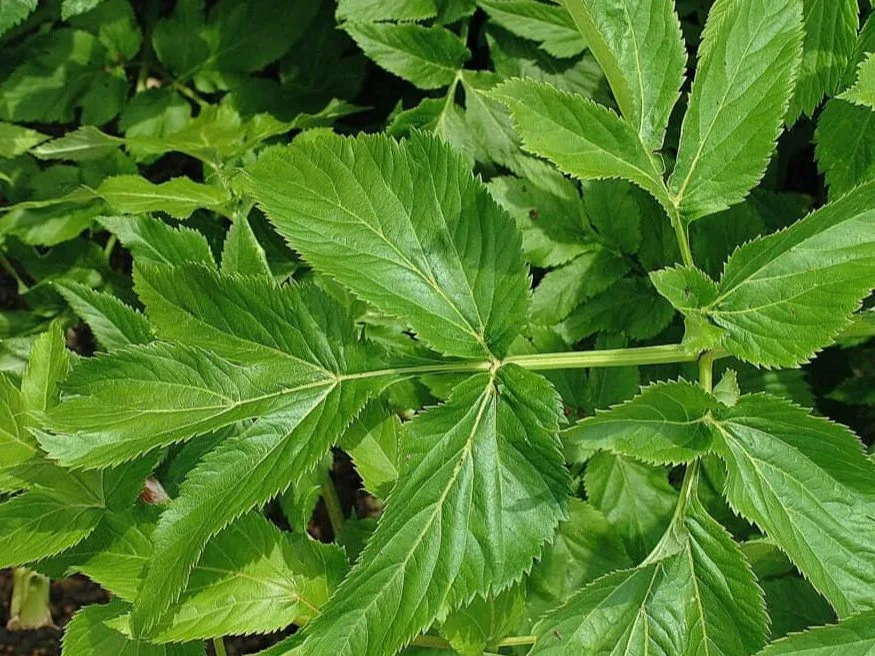
Angelica archangelica
A towering aromatic biennial once prized for candied stems, preserves and liqueurs.
Explore this plant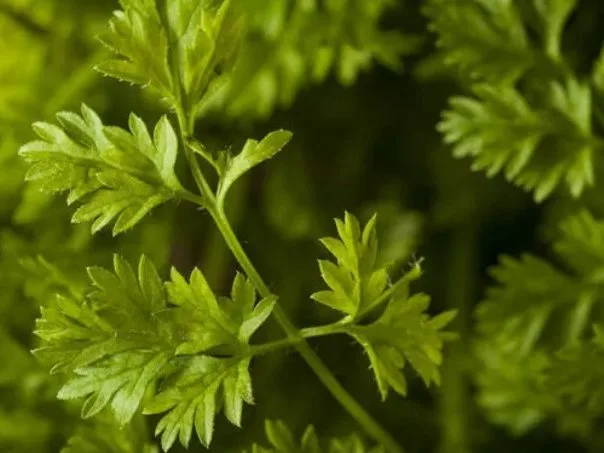
Anthriscus cerefolium
A delicate old kitchen-garden herb with a soft parsley-and-anise flavour.
Explore this plant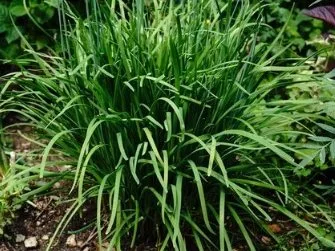
Allium tuberosum
A perennial chive with flat leaves and a gentle garlic flavour — cut it repeatedly, eat the flowers and divide the clump when you want more.
Explore this plant