Why grow it?
Alexanders earns its space as an early spring vegetable that bridges the hungry gap. It is tall enough to make a statement at the back of a bed, tolerant of less-than-perfect corners, and useful from young leaf to seed.
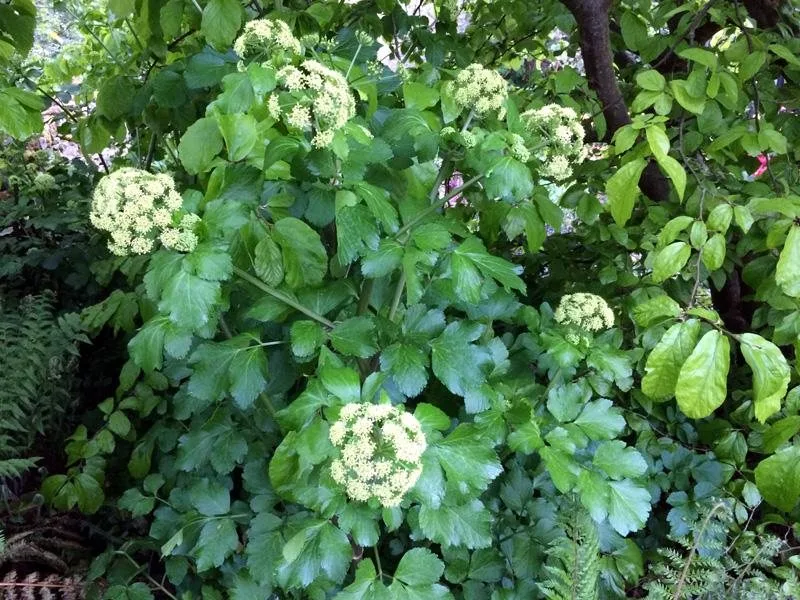
Wild & Historic Edibles
Smyrnium olusatrum
A Roman-era vegetable with edible shoots, leaves and flower buds — once common enough to be ordinary, now unusual enough to stop people scrolling.
Each plant is grown in small batches and cared for individually before dispatch. Because these are living plants, their appearance naturally changes with the season — they may be compact and freshly potted at some times of year, or taller and more established at others. Plants are supplied healthy, well rooted and ready to continue growing on.
Why it belongs in a forgotten garden
Alexanders earns its space as an early spring vegetable that bridges the hungry gap. It is tall enough to make a statement at the back of a bed, tolerant of less-than-perfect corners, and useful from young leaf to seed.
A quiet favourite with a history stretching back to the Romans, Alexanders is a versatile and unassuming vegetable with a mild sweetness. Known as "Black Lovage," this tenacious biennial thrived in forgotten corners of Europe long after it was abandoned by formal gardeners. Now, it offers a reliable, low-maintenance yield to those willing to rediscover its subtle charm.
Explore its place in Ancient gardens garden history.
Growing guide
Deep, reasonably fertile soil that does not sit waterlogged in winter. It is adaptable and will cope with ordinary garden soil once established.
Light: Full sun to partial shade
Water young plants while establishing. Older plants are fairly tolerant of short dry spells, although spring growth is more tender where moisture is steady.
Usually grown from seed. Fresh seed is easiest; autumn sowing lets winter provide natural cold exposure. Spring sowing may benefit from a period of cold stratification.
Little is needed beyond removing coarse old stems and deciding whether to let some second-year plants flower and self-seed. Leave seedheads where you want a continuing colony.
From garden to kitchen
Young leaves and shoots are best from late winter through spring. Flower buds can be taken before opening; seeds are collected when dry later in the year.
Cut the youngest stems and leaves in spring before they become coarse. Flower buds can also be taken young; let selected plants seed if you want the biennial to maintain itself.
Young leaves, peeled young stems, flower buds and mature seeds.
The mildly peppery leaves and tender, crunchy stems are delicious raw in salads or cooked in soups and stews. Once likened to asparagus, the stems offer a unique, aromatic sweetness. Dried seeds can be used as a fragrant spice.
Traditionally valued for its ability to aid digestion and reduce inflammation, Alexanders is a powerhouse of essential vitamins and nutrients. It is a rich source of vitamin C, potassium, and antioxidants.
Worth knowing: Alexanders brings more than its distinctive celery-like flavour: the leafy stems contribute vitamin C, potassium, fibre and antioxidant plant compounds, making it a useful early-season green.
Traditional medicinal uses, where mentioned in the historical material, are included as history rather than medical advice.
Kitchen history
A very simple way to understand why Alexanders was once treated as an everyday spring vegetable.
A modern way to cook a vegetable with a long history of use in Britain.
How tough is it?
A tough and unassuming survivor, Alexanders is highly resilient to common pests and capable of withstanding periods of drought. Its steadfast nature makes it a reliable choice for any garden, providing a consistent yield even in unpredictable conditions.
Usually trouble-free. Slugs and snails may mark young growth. Because it belongs to the carrot family, do not use foraged plants unless identification is certain; cultivated, labelled plants remove that ambiguity.
The large umbels are attractive to many small pollinating insects if plants are allowed to flower.
Suitable for container growing (minimum 30 cm diameter, deep container recommended)
Container plants generally need more frequent watering and feeding than the same plant in open ground.
Ready to grow it?
Each plant is grown in small batches and cared for individually before dispatch. Because these are living plants, their appearance naturally changes with the season — they may be compact and freshly potted at some times of year, or taller and more established at others. Plants are supplied healthy, well rooted and ready to continue growing on.
If this caught your eye…
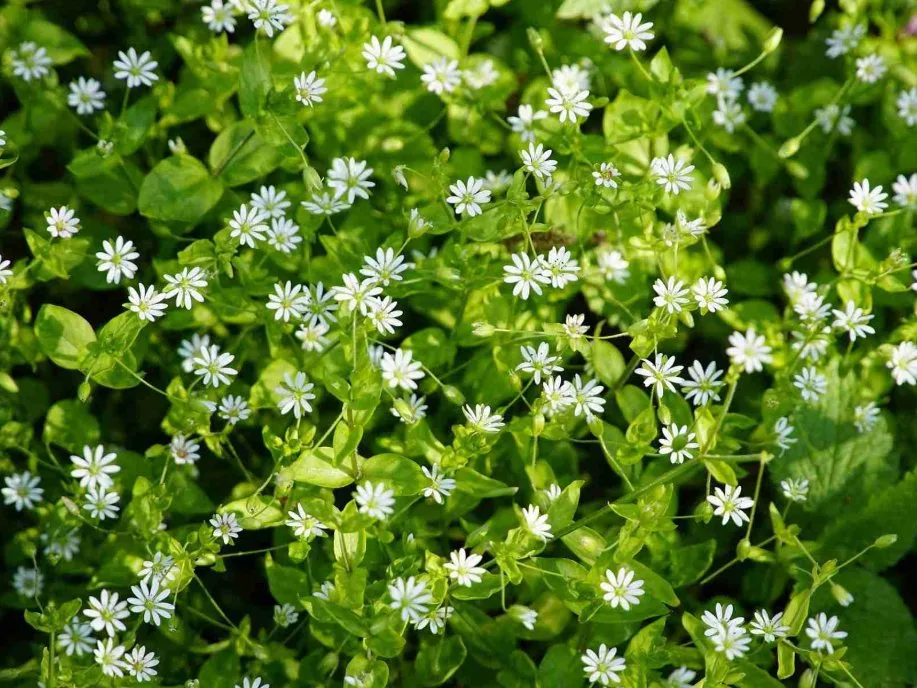
Stellaria media
A humble cool-season green that many people weed out before discovering it is edible.
Explore this plant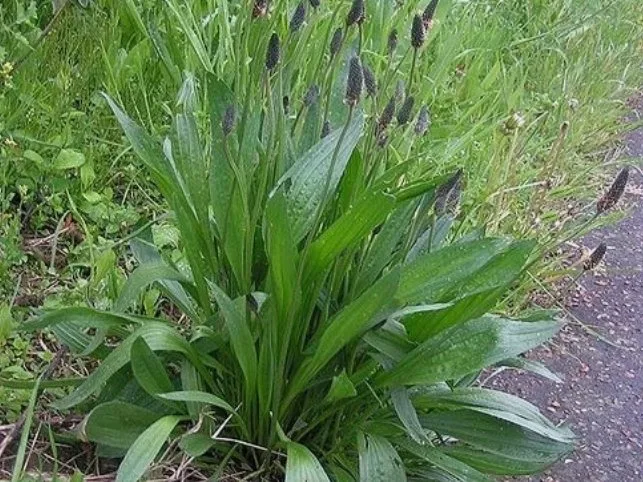
Plantago lanceolata
A tough little perennial that survives poor soil, dry weather and foot traffic — with edible young leaves and seeds.
Explore this plant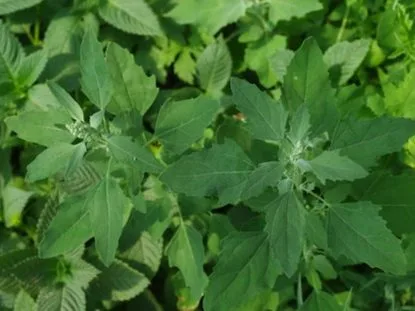
Chenopodium album
An ancient wild spinach that has fed people for millennia and still grows with almost insulting ease.
Explore this plant