
Why grow it?
A plant many gardeners pull out before realising it is edible. Chickweed is mild, tender and fast, making it an excellent example of the line between “weed” and useful crop.
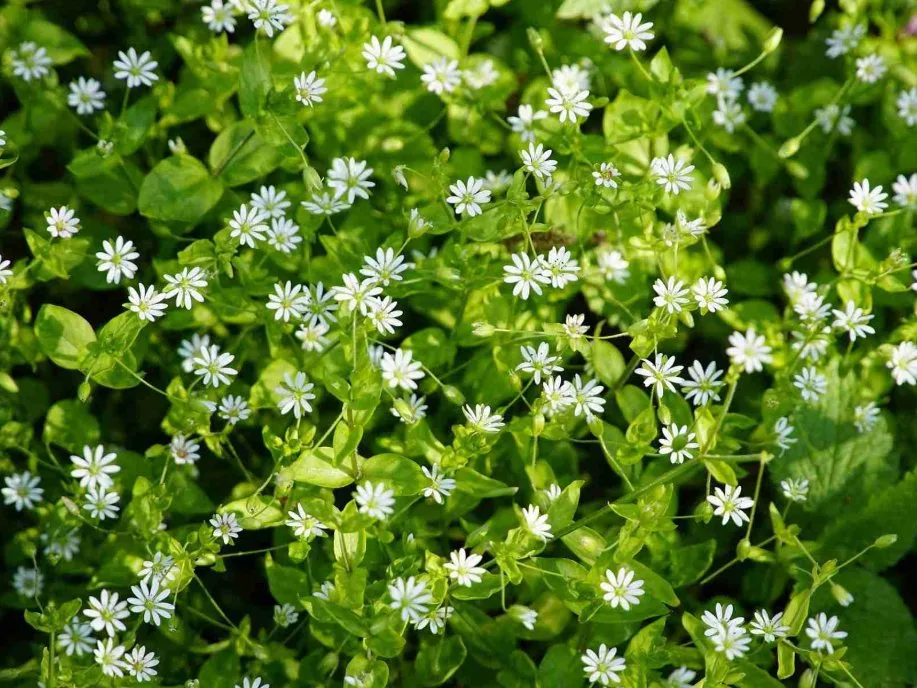
Wild & Historic Edibles
Stellaria media
A humble cool-season green that many people weed out before discovering it is edible.
Each plant is grown in small batches and cared for individually before dispatch. Because these are living plants, their appearance naturally changes with the season — they may be compact and freshly potted at some times of year, or taller and more established at others. Plants are supplied healthy, well rooted and ready to continue growing on.
Why it belongs in a forgotten garden
A plant many gardeners pull out before realising it is edible. Chickweed is mild, tender and fast, making it an excellent example of the line between “weed” and useful crop.
Often overlooked and routinely dismissed as a weed, Chickweed is one of the most quietly valuable edible plants in the garden. Known and used since antiquity, it has long provided fresh greens through the colder months when little else was available. Tender, fast-growing, and generous, Chickweed rewards attention with abundance rather than effort.
Explore its place in Ancient garden history.
Growing guide
Almost any reasonably fertile garden soil; it especially enjoys cool, moist conditions.
Light: Full sun to partial shade
Usually needs little attention outdoors, though container plants should not be allowed to dry hard.
Very easy from seed and often self-seeds freely. Sow shallowly and thin if a dense carpet develops.
Cut regularly to keep growth young and leafy. Remove plants before seeding if you do not want it spreading widely.
From garden to kitchen
Best in cool spring and autumn weather; hot weather makes growth more stringy and encourages seed production.
Snip the tender top growth whenever it is lush and fresh. It is best as a cool-season green before stems become stringy.
Young leaves, tips and tender stems.
Mild, fresh, and slightly sweet, Chickweed is excellent raw in salads, sandwiches, and pestos, or lightly wilted like spinach. Its soft texture makes it especially appealing as a fresh green when young.
A fresh leafy green used in salads and cooked dishes. Nutrient composition varies with growing conditions; think of it as another seasonal green rather than a supplement.
Worth knowing: A mild, tender green that can add variety to salads and cooked dishes while contributing vitamins A and C together with iron, calcium and magnesium.
Traditional medicinal uses, where mentioned in the historical material, are included as history rather than medical advice.
Kitchen idea
Its mild flavour is easiest to appreciate raw.
How tough is it?
Exceptionally adaptable and fast to establish, Chickweed thrives in cool conditions and poor soils where other crops struggle. Its ability to grow quickly and self-seed makes it a dependable, low-input food plant — a quiet reminder that resilience often grows closest to the ground.
Few serious problems. The main “problem” is enthusiasm: it can seed rapidly if allowed.
Tiny flowers provide modest forage for small insects and the low growth offers cover at soil level.
Well suited to containers and trays (shallow pots or window boxes work well)
Container plants generally need more frequent watering and feeding than the same plant in open ground.
Ready to grow it?
Each plant is grown in small batches and cared for individually before dispatch. Because these are living plants, their appearance naturally changes with the season — they may be compact and freshly potted at some times of year, or taller and more established at others. Plants are supplied healthy, well rooted and ready to continue growing on.
If this caught your eye…
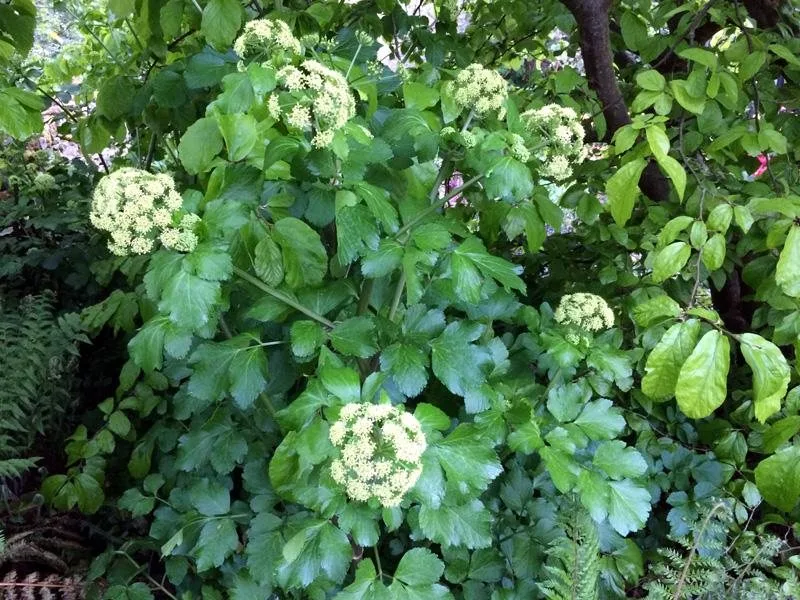
Smyrnium olusatrum
A Roman-era vegetable with edible shoots, leaves and flower buds — once common enough to be ordinary, now unusual enough to stop people scrolling.
Explore this plant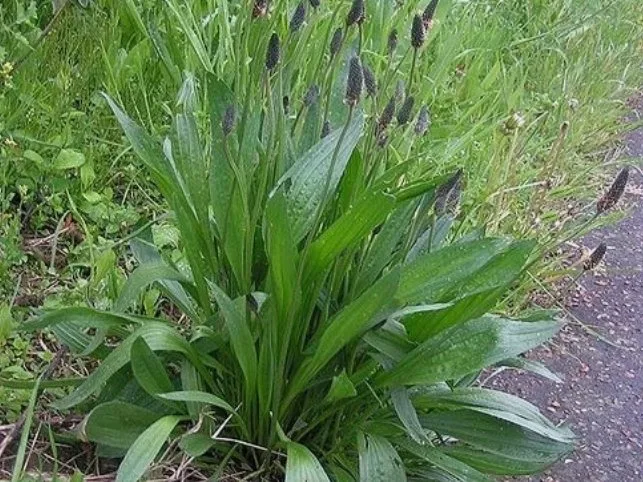
Plantago lanceolata
A tough little perennial that survives poor soil, dry weather and foot traffic — with edible young leaves and seeds.
Explore this plant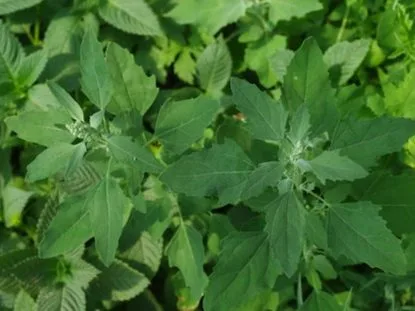
Chenopodium album
An ancient wild spinach that has fed people for millennia and still grows with almost insulting ease.
Explore this plant