Why grow it?
An ancient edible that most modern gardeners know only as a weed. Lamb’s Quarters grows quickly, produces abundant tender leaves and makes a useful “spinach” before many cultivated greens are ready.
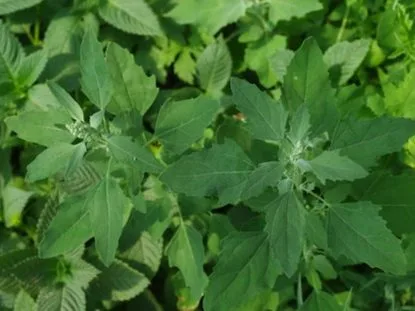
Wild & Historic Edibles
Chenopodium album
An ancient wild spinach that has fed people for millennia and still grows with almost insulting ease.
Each plant is grown in small batches and cared for individually before dispatch. Because these are living plants, their appearance naturally changes with the season — they may be compact and freshly potted at some times of year, or taller and more established at others. Plants are supplied healthy, well rooted and ready to continue growing on.
Why it belongs in a forgotten garden
An ancient edible that most modern gardeners know only as a weed. Lamb’s Quarters grows quickly, produces abundant tender leaves and makes a useful “spinach” before many cultivated greens are ready.
An ancient staple found in Neolithic settlements, Lamb's Quarters (Chenopodium album) is a highly nutritious leafy green that has endured for millennia. Often called "wild spinach," this versatile plant has fed generations of foragers and traditional cooks. Its enduring presence and ability to thrive without fuss make it a living piece of history for any garden.
Explore its place in Ancient garden history.
Growing guide
Adaptable and often most vigorous in fertile disturbed soil.
Light: Full sun to partial shade
Young plants grow fastest with moisture but established plants are quite tolerant of ordinary dry spells.
Very easy from seed and capable of prolific self-seeding. Sow shallowly and thin to give selected plants room.
Pinch or cut regularly to keep leaves tender. Remove unwanted plants before seed ripens if you do not want a large volunteer population.
From garden to kitchen
Young leaves and tips are best from late spring into summer before plants become coarse.
Pick young leaves and shoot tips before the plant becomes coarse. Leave a chosen plant to seed if you want it to return naturally.
Young leaves, shoot tips and seeds.
With a mild and earthy flavour similar to spinach, Lamb's Quarters is an incredibly versatile vegetable. It can be used raw in salads, cooked into soups or stir-fries, or simply sautéed as a side dish, bringing a taste of the wild to any meal.
A nutritious leafy green in the same broad family as spinach and quinoa. It contains oxalates and can accumulate nitrates in some conditions, so varied, moderate culinary use is the sensible approach.
A particularly nutrient-dense green, with fresh leaves capable of providing high vitamin C alongside carotenoids, calcium, iron and other minerals. Levels vary with plant age and growing conditions.
Worth knowing: Lamb’s Quarters is a nutrient-dense leafy green, particularly useful for vitamin C, carotenoids and minerals such as calcium and iron. Cooking is a practical way to use larger quantities.
Traditional medicinal uses, where mentioned in the historical material, are included as history rather than medical advice.
Kitchen idea
Use it exactly where you might otherwise reach for spinach.
How tough is it?
Having survived for thousands of years, this plant is naturally resilient. Lamb's Quarters is highly resistant to common pests and adapts easily to most soil conditions, making it a dependable, low-maintenance choice that thrives where other plants might not.
Few serious pests. Its ability to self-seed vigorously is the main management consideration.
Seed is valuable to some birds, while dense plants provide cover for small invertebrates.
Suitable for medium containers (minimum 30 cm deep)
Container plants generally need more frequent watering and feeding than the same plant in open ground.
Ready to grow it?
Each plant is grown in small batches and cared for individually before dispatch. Because these are living plants, their appearance naturally changes with the season — they may be compact and freshly potted at some times of year, or taller and more established at others. Plants are supplied healthy, well rooted and ready to continue growing on.
If this caught your eye…
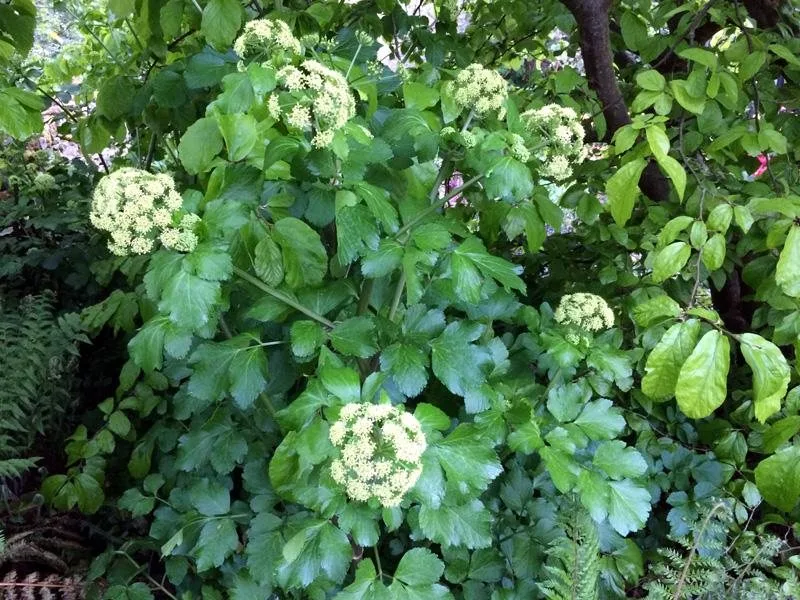
Smyrnium olusatrum
A Roman-era vegetable with edible shoots, leaves and flower buds — once common enough to be ordinary, now unusual enough to stop people scrolling.
Explore this plant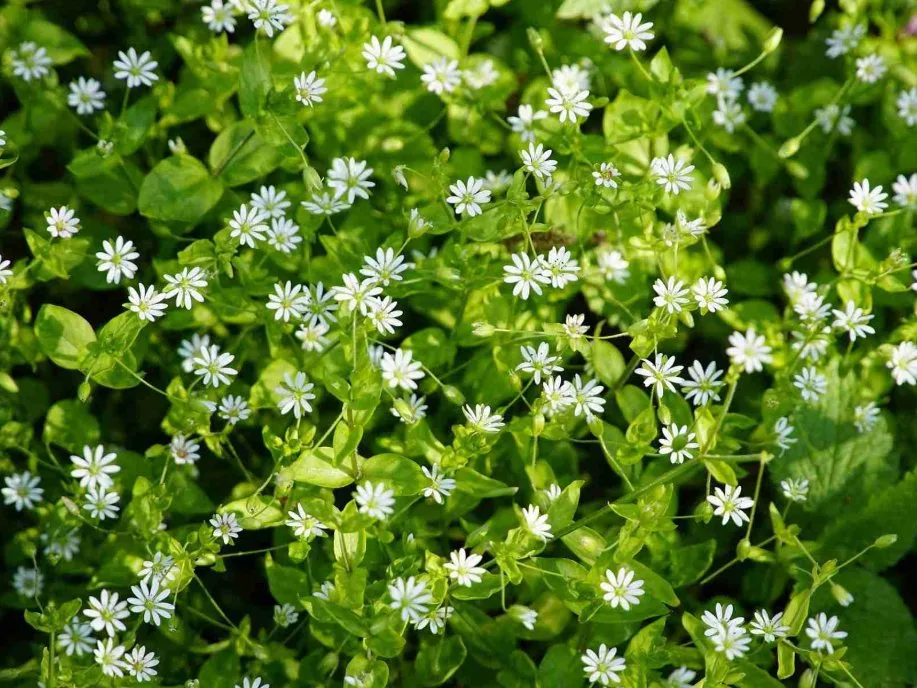
Stellaria media
A humble cool-season green that many people weed out before discovering it is edible.
Explore this plant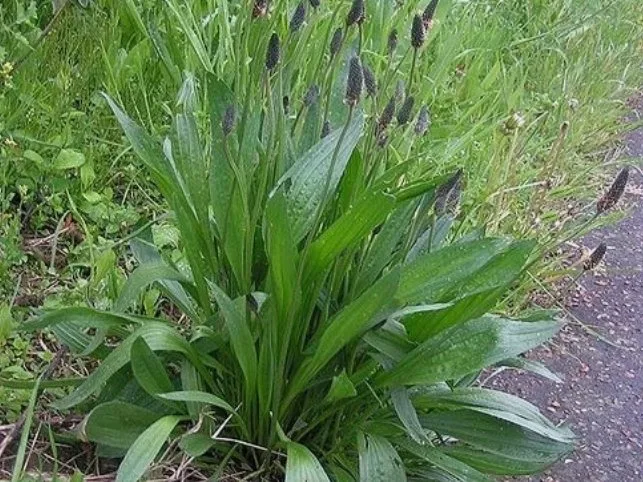
Plantago lanceolata
A tough little perennial that survives poor soil, dry weather and foot traffic — with edible young leaves and seeds.
Explore this plant