
Why grow it?
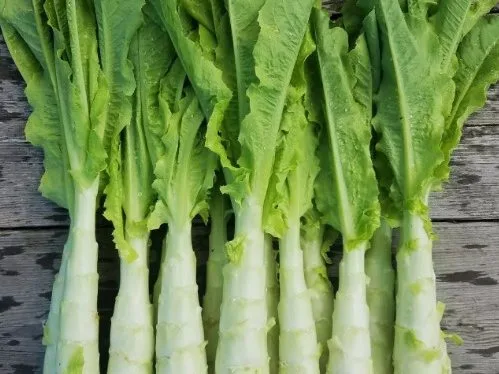
One plant gives two genuinely useful harvests: tender leaves first, then a thick crisp stem that looks unusual enough to start a conversation and cooks like a vegetable in its own right.
Heritage Crops
Lactuca sativa var. angustata
A lettuce grown for a thick, crisp edible stem as well as its leaves — crunchy, mild and completely unlike the supermarket lettuce most people know.
Each plant is grown in small batches and cared for individually before dispatch. Because these are living plants, their appearance naturally changes with the season — they may be compact and freshly potted at some times of year, or taller and more established at others. Plants are supplied healthy, well rooted and ready to continue growing on.
Why it belongs in a forgotten garden
One plant gives two genuinely useful harvests: tender leaves first, then a thick crisp stem that looks unusual enough to start a conversation and cooks like a vegetable in its own right.
Stem lettuce has a long culinary history in East Asia, especially China, where both the leafy tops and thick stems are used as vegetables. It belongs to the same species as ordinary lettuce, but generations of selection produced a crop built around the stem rather than the head.
Growing guide
Fertile, moisture-retentive but well-drained soil enriched with compost. Consistent moisture helps produce a thick, tender stem rather than a tough, stressed one.
Light: Full sun to light partial shade; some afternoon shade can help in warm weather
Water regularly, especially in containers and dry spring weather. Avoid repeated drought followed by heavy watering.
Grow from seed. Sow in spring at about 0.5 cm deep, either in modules or directly once conditions are suitable. Transplant carefully and keep growth moving without long checks.
Keep weed-free, maintain even moisture and give each plant enough room to build a thick stem. Harvest before a flower stalk begins to extend strongly.
From garden to kitchen
Young leaves can be taken within the first part of the season; harvest the main stem once it is well thickened but still tender, before obvious bolting.
Outer leaves can be picked while young. For the main crop, harvest the thick central stem before the plant bolts and becomes fibrous. Strip the leaves, peel away the tougher outer skin and use the pale crisp centre.
Young leaves and the peeled central stem.
The peeled stem can be sliced raw into salads, cut into batons for pickling, or quickly stir-fried so it keeps some crunch. Young leaves can be used much like lettuce or cooked greens.
The stem is crisp, water-rich and low in calories, with fibre and useful micronutrients including vitamin C, potassium and magnesium.
Worth knowing: The crisp stem is water-rich and low in calories but still contributes useful vitamin C, potassium and magnesium, making it more than simply a crunchy salad vegetable.
Traditional medicinal uses, where mentioned in the historical material, are included as history rather than medical advice.
Kitchen history
A quick stir-fry keeps the stem crisp and lets its mild flavour carry stronger seasonings.
Celtuce is best known as a stem vegetable in Chinese cooking, where the stem and leafy portion may be treated as separate vegetables.
How tough is it?
Easy to grow in the same broad conditions as lettuce, but steady growth matters. Drought, crowding or prolonged heat can push plants toward bolting before the stem reaches its best size.
The main practical problem is bolting: heat, drought or delayed harvest can turn the stem hollow, fibrous or bitter. Slugs, snails and aphids are the most likely routine pests.
If allowed to flower, the small lettuce-type flowers can be visited by insects, although most plants are harvested before flowering.
Suitable for containers; use a pot at least 25–30 cm deep and wide for one well-grown plant
Container plants generally need more frequent watering and feeding than the same plant in open ground.
Ready to grow it?
Each plant is grown in small batches and cared for individually before dispatch. Because these are living plants, their appearance naturally changes with the season — they may be compact and freshly potted at some times of year, or taller and more established at others. Plants are supplied healthy, well rooted and ready to continue growing on.
If this caught your eye…
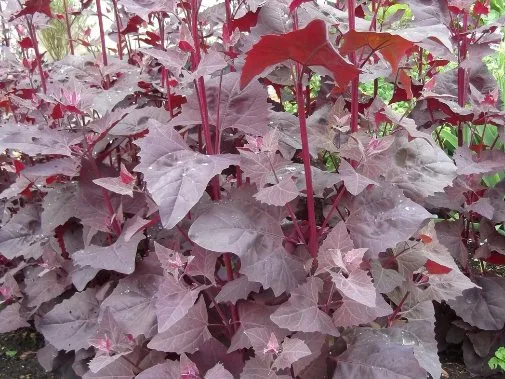
Atriplex hortensis
A crimson spinach alternative that keeps producing when summer heat makes ordinary spinach sulk.
Explore this plant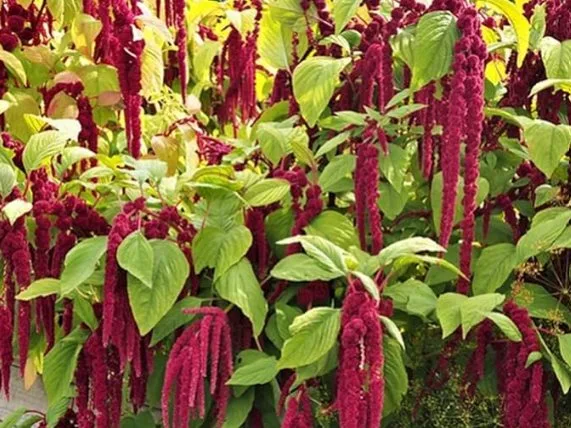
Amaranthus caudatus
A dramatic red-leaved crop with edible leaves and seed — part ornamental show-off, part ancient staple.
Explore this plant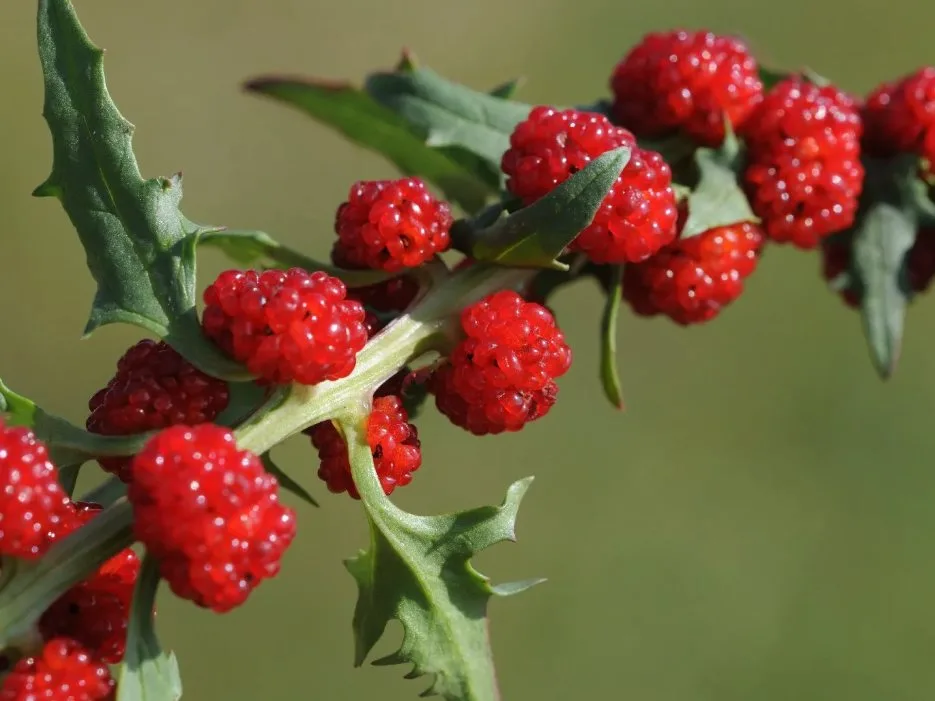
Blitum virgatum
A genuine curiosity: edible spinach-like leaves followed by vivid red berry-like seed clusters.
Explore this plant