Why grow it?
A fast, colourful summer crop that can be eaten as a leaf vegetable while young and then allowed to become a dramatic seed-bearing plant.
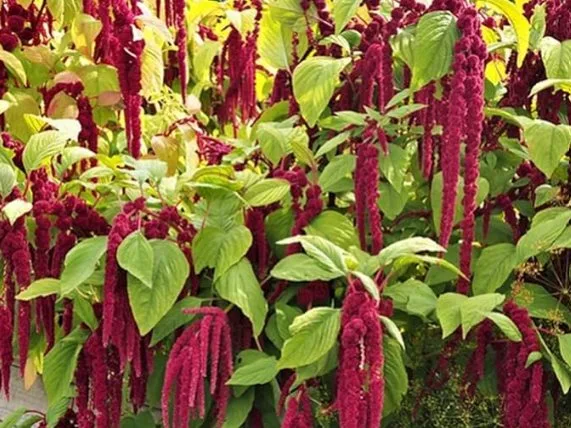
Heritage Crops
Amaranthus caudatus
A dramatic red-leaved crop with edible leaves and seed — part ornamental show-off, part ancient staple.
Each plant is grown in small batches and cared for individually before dispatch. Because these are living plants, their appearance naturally changes with the season — they may be compact and freshly potted at some times of year, or taller and more established at others. Plants are supplied healthy, well rooted and ready to continue growing on.
Why it belongs in a forgotten garden
A fast, colourful summer crop that can be eaten as a leaf vegetable while young and then allowed to become a dramatic seed-bearing plant.
With its vivid red leaves and towering, cascading seed heads, Red Amaranthus (Amaranthus caudatus) is both a beautiful statement and an ancient staple. Cultivated for thousands of years across the world, this bountiful crop was revered by the Aztecs and has now returned to offer both its stunning visual appeal and its abundant nutritional value.
Explore its place in Tudor garden history.
Growing guide
Fertile, free-draining soil in full sun; warmth is more important than exceptionally rich ground.
Light: Full sun
Water during establishment and prolonged drought for tender leaves, but avoid waterlogging.
Sow tiny seed shallowly once conditions are warm. Start under cover for an earlier crop or sow direct after frost risk.
Thin plants to the spacing you want. Pinch for bushier leaf production or allow selected plants to grow tall for flowers and seed.
From garden to kitchen
Young leaves from early summer onwards; seed heads are harvested when mature and dry later in the season.
Harvest young leaves while tender. For seed, let flower heads mature and dry, then rub and winnow the tiny grains.
Young leaves and seeds.
Every part of this plant is useful. Its young leaves are mild and earthy, perfect for steaming, sautéing, or adding to soups. The protein-rich seeds can be toasted, cooked like a grain, or ground into a nutrient-dense flour.
Leaves provide fibre, carotenoid pigments and common leafy-green micronutrients; seeds contribute starch and protein. Exact composition varies with species and maturity.
Amaranth leaves can be rich in pro-vitamin A carotenoids and vitamin C, while the edible seed adds protein, fibre and a broader mineral contribution.
Worth knowing: Red Amaranthus offers two edible crops: young leaves provide the vitamins and minerals expected from a nutritious leafy green, while the mature seed adds protein, fibre and additional minerals.
Traditional medicinal uses, where mentioned in the historical material, are included as history rather than medical advice.
Kitchen idea
Use young leaves before the stems become coarse.
How tough is it?
A truly tenacious survivor, Red Amaranthus is highly resistant to common pests and holds its own in a variety of conditions. Its towering growth is a testament to its hardy nature, making it a dependable choice even for the beginner gardener.
Usually vigorous in warmth. Slugs, flea beetles and aphids can damage young plants; cold weather quickly checks growth.
Mature flower and seed heads attract insects and later seed-feeding birds.
Medium to large containers (minimum 30 cm deep); best performance in open ground
Container plants generally need more frequent watering and feeding than the same plant in open ground.
Ready to grow it?
Each plant is grown in small batches and cared for individually before dispatch. Because these are living plants, their appearance naturally changes with the season — they may be compact and freshly potted at some times of year, or taller and more established at others. Plants are supplied healthy, well rooted and ready to continue growing on.
If this caught your eye…
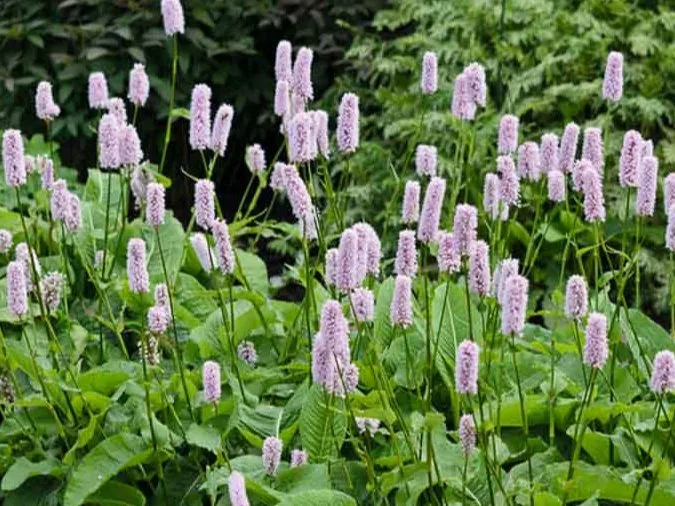
Persicaria bistorta
A hardy perennial once gathered for traditional spring greens and northern seasonal dishes.
Explore this plant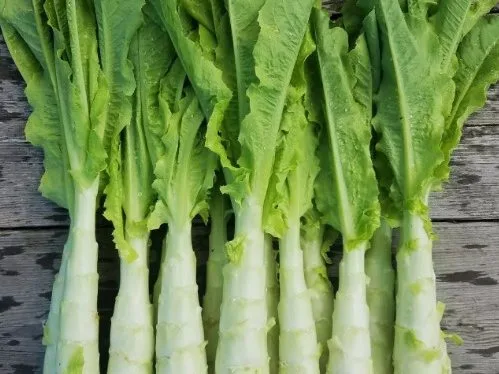
Lactuca sativa var. angustata
A lettuce grown for a thick, crisp edible stem as well as its leaves — crunchy, mild and completely unlike the supermarket lettuce most people know.
Explore this plant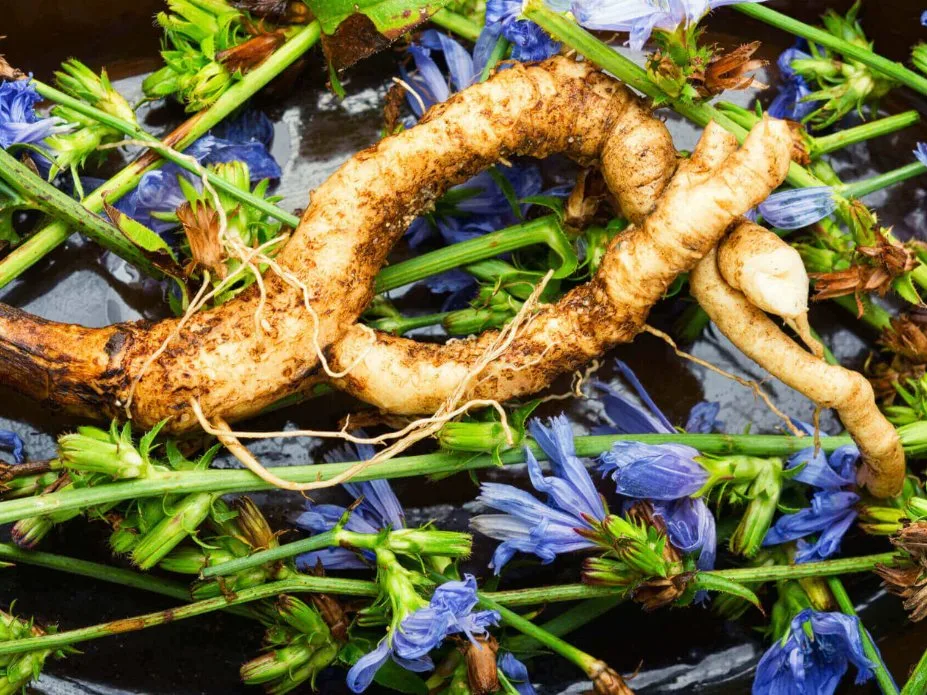
Cichorium intybus
A deep-rooted perennial with bitter leaves, vivid blue flowers and roots historically roasted as a coffee substitute.
Explore this plant