
Why grow it?
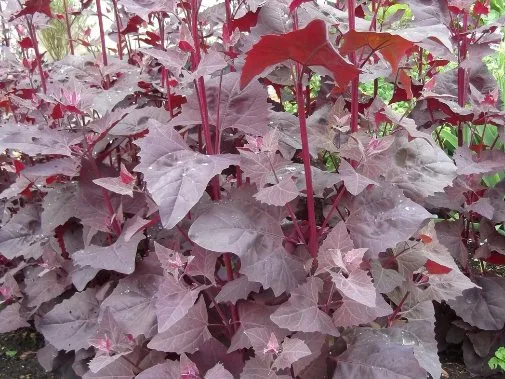
Purple Orach is edible colour. It gives large spinach-like leaves in deep purple-red shades and stays visually interesting even when grown in an ornamental border.
Heritage Crops
Atriplex hortensis
A crimson spinach alternative that keeps producing when summer heat makes ordinary spinach sulk.
Each plant is grown in small batches and cared for individually before dispatch. Because these are living plants, their appearance naturally changes with the season — they may be compact and freshly potted at some times of year, or taller and more established at others. Plants are supplied healthy, well rooted and ready to continue growing on.
Why it belongs in a forgotten garden
Purple Orach is edible colour. It gives large spinach-like leaves in deep purple-red shades and stays visually interesting even when grown in an ornamental border.
Once more popular than spinach and a medieval monastery staple, Garden Orach (Atriplex hortensis) is a vibrant and confident leafy annual. Also known as "mountain spinach," this plant shrugs off summer heat and a variety of conditions, supplying tender, mildly salty leaves that brighten borders with beautiful crimson foliage. It is a bold statement piece and a smart alternative for any garden.
Explore its place in Tudor garden history.
Growing guide
Fertile, well-drained soil; it is tolerant of a wide range of ordinary garden conditions.
Light: Full sun (tolerates light shade)
Water for steady leaf production, particularly in dry weather, though established plants cope reasonably well.
Direct sow from spring. It can self-seed freely once established.
Pinch tips for bushier plants and harvest often. Remove flower stems if you want leaves for longer, or leave a few for seed.
From garden to kitchen
Young leaves from late spring through summer; older leaves remain usable cooked but become more robust.
Pick young leaves continuously and pinch tips to encourage branching. Leave selected plants to flower and set seed if you want to save your own.
Leaves, tender shoots and seeds.
Young leaves have a fresh, spinach-like flavour with a mild, savoury saltiness that works beautifully in salads. Larger leaves hold their vibrant colour when cooked in sautés, soups, and pies, and can be used in any recipe that calls for spinach, even on hot summer days.
A leafy green related to other oraches and chenopods, providing fibre and colourful plant pigments. As with spinach and sorrel relatives, varied rather than excessive consumption is sensible because leaves contain oxalates.
Worth knowing: Purple Orach combines the usefulness of a spinach-style green with striking colour, contributing vitamins, minerals and fibre while adding deep purple-red tones to salads and cooked dishes.
Traditional medicinal uses, where mentioned in the historical material, are included as history rather than medical advice.
Kitchen idea
Brief cooking keeps much of the colour while softening the leaves.
How tough is it?
A truly hardy performer, Garden Orach is highly resistant to common pests and holds its own during the summer heat. This is a dependable choice for any gardener, providing both beautiful, vibrant foliage and a consistent harvest with minimal fuss.
Generally easy. Aphids and leaf-chewing insects can appear, but serious disease is uncommon in a mixed garden.
Seedheads provide food and structure later in the season if left standing.
Medium–large container, at least 25–30 cm deep, with free-draining compost
Container plants generally need more frequent watering and feeding than the same plant in open ground.
Ready to grow it?
Each plant is grown in small batches and cared for individually before dispatch. Because these are living plants, their appearance naturally changes with the season — they may be compact and freshly potted at some times of year, or taller and more established at others. Plants are supplied healthy, well rooted and ready to continue growing on.
If this caught your eye…
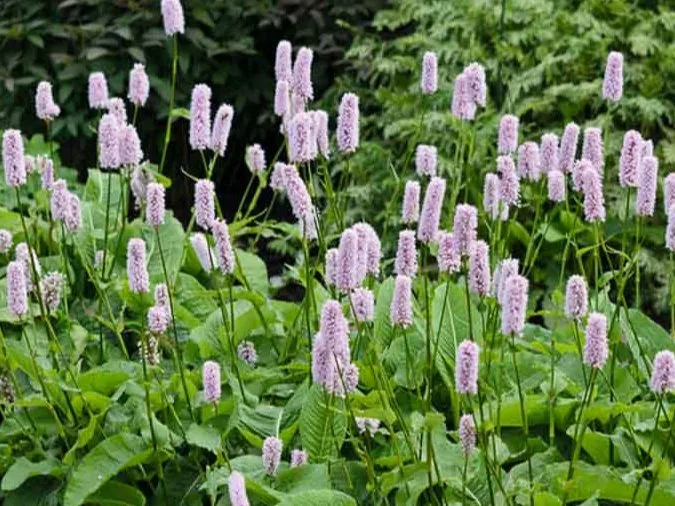
Persicaria bistorta
A hardy perennial once gathered for traditional spring greens and northern seasonal dishes.
Explore this plant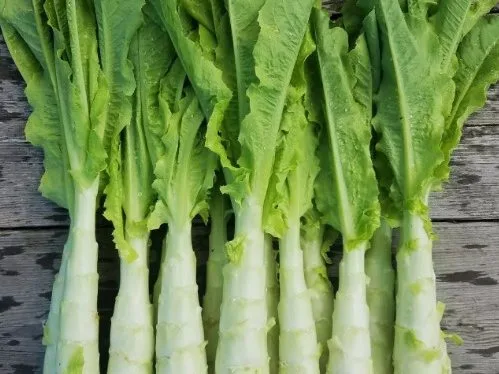
Lactuca sativa var. angustata
A lettuce grown for a thick, crisp edible stem as well as its leaves — crunchy, mild and completely unlike the supermarket lettuce most people know.
Explore this plant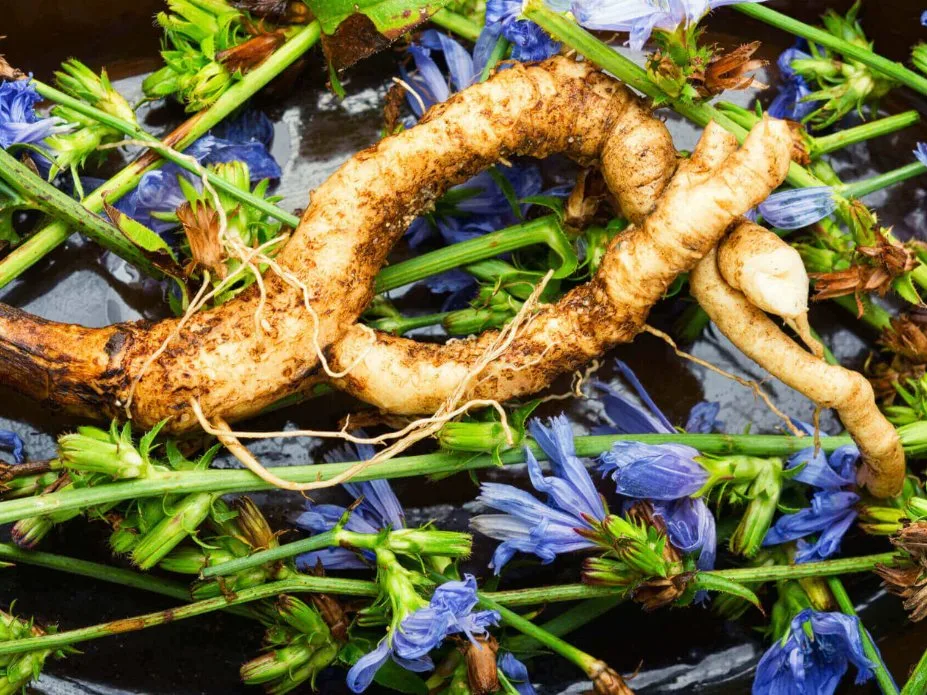
Cichorium intybus
A deep-rooted perennial with bitter leaves, vivid blue flowers and roots historically roasted as a coffee substitute.
Explore this plant