Productive household growing for food and medicine, increasingly mixed with curiosity and display.
1485–1603
Tudor gardens
A time of expansion and influence. New flavours arrived through trade, while kitchen gardens remained central to household food and herbal remedies.
Enclosed gardens divided into ordered beds, often bounded by walls or hedges.
Geometric layouts combined familiar native crops with plants introduced through growing trade and exploration.
Gardening began to move beyond pure necessity toward experimentation and a broader cultivated plant palette.
A closer look
What tudor gardens were like
Tudor gardens (late 15th–early 17th century) marked a period of transition, where practicality began to meet curiosity and display. While kitchen gardens remained essential for food and medicine, increasing trade and exploration introduced new plants and ideas, expanding what could be grown in England. Gardens became more structured and intentional, reflecting both status and emerging horticultural knowledge. Enclosed by walls or hedges, Tudor gardens were often divided into ordered beds laid out in geometric patterns, combining usefulness with visual symmetry. Familiar native crops grew alongside newly introduced vegetables and herbs, valued as much for novelty as for nourishment. This era saw the gradual shift from purely functional growing toward experimentation, setting the stage for the refinement and expansion of garden culture in the centuries that followed.
Geometric bedsKitchen and medicinal cropsNew introductions through trade
Plants from this era
Explore the crops, herbs and useful plants
These are the plants in the Forgotten Garden collection associated with this era. Click any one to follow its story into the modern garden.
Awaiting restock
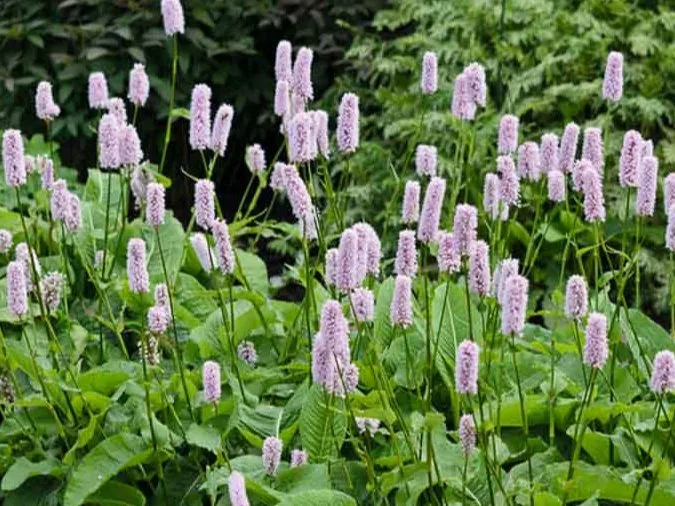
Bistort
Persicaria bistorta
PerennialSpring greensTraditional crop
A hardy perennial once gathered for traditional spring greens and northern seasonal dishes.
Explore this plant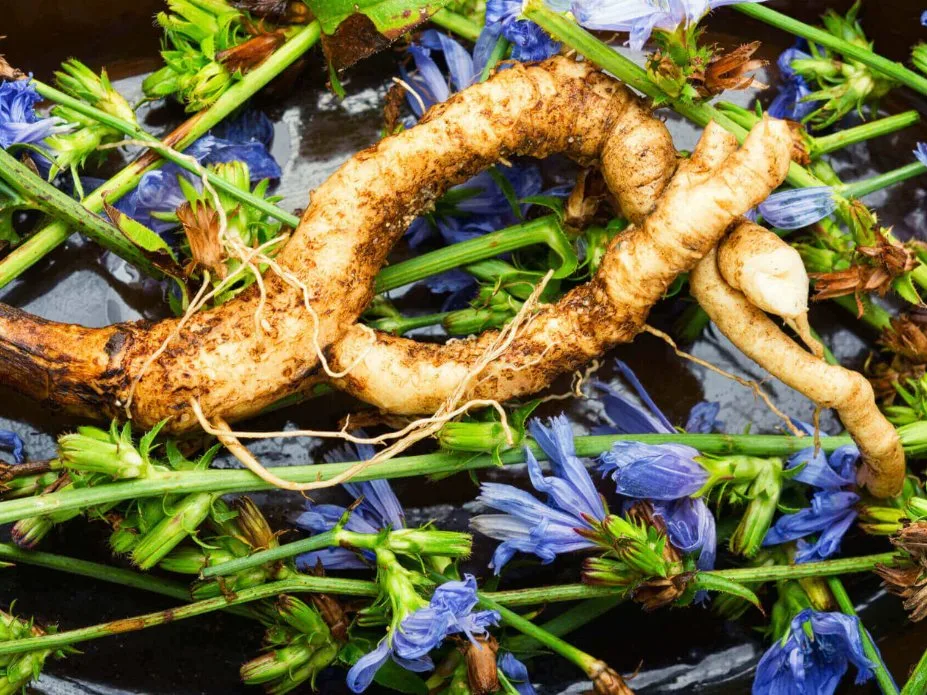
In stock8.99
Chicory
Cichorium intybus
PerennialEdible leaf & rootDeep rooted
A deep-rooted perennial with bitter leaves, vivid blue flowers and roots historically roasted as a coffee substitute.
Explore this plant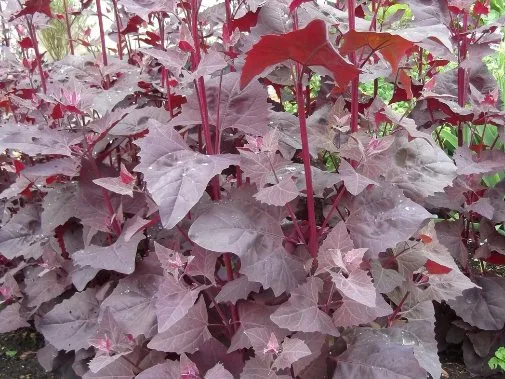
Awaiting restock
Purple Orach
Atriplex hortensis
AnnualHeat tolerantSpinach alternative
A crimson spinach alternative that keeps producing when summer heat makes ordinary spinach sulk.
Explore this plant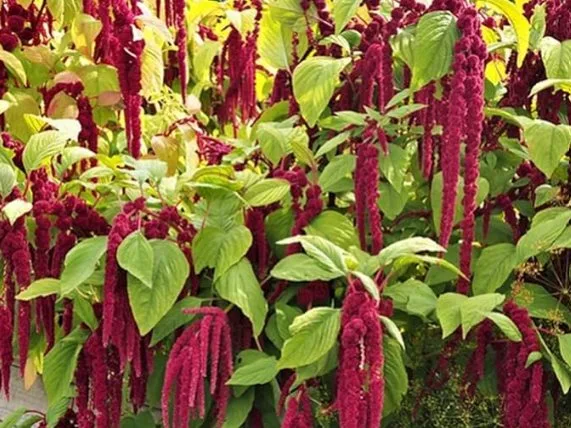
Awaiting restock
Red Amaranthus
Amaranthus caudatus
AnnualEdible leaves & seedHeat lover
A dramatic red-leaved crop with edible leaves and seed — part ornamental show-off, part ancient staple.
Explore this plant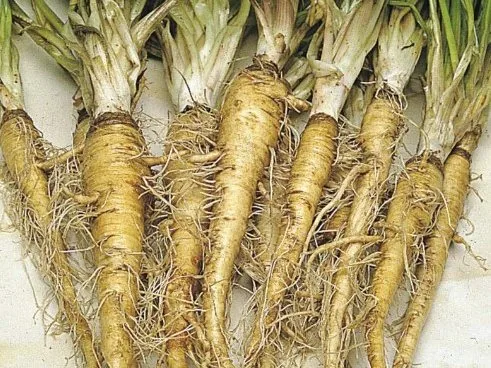
Awaiting restock
Salsify
Tragopogon porrifolius
Root crop“Oyster plant”Historic vegetable
A long-rooted historic vegetable nicknamed the “oyster plant” for its mild savoury flavour.
Explore this plant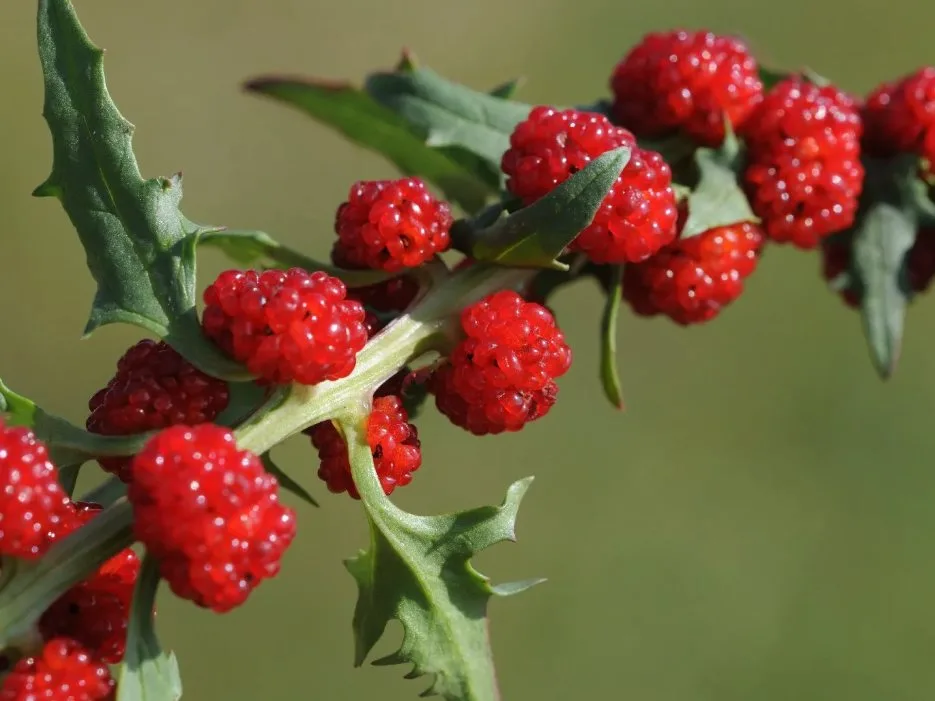
Awaiting restock
Strawberry Spinach
Blitum virgatum
AnnualEdible leavesCurious red fruits
A genuine curiosity: edible spinach-like leaves followed by vivid red berry-like seed clusters.
Explore this plant