
Why grow it?
A genuine forgotten food plant: a tough native groundcover that stores energy in edible roots and shows how earlier food systems blurred the line between wild gathering and cultivation.
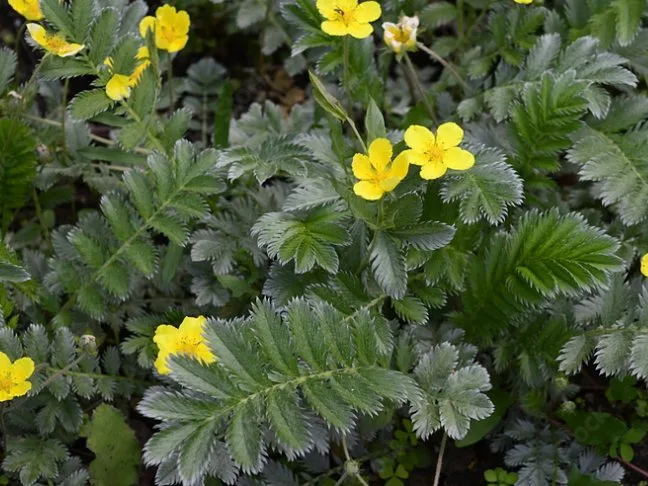
Roots & Tubers
Argentina anserina (syn. Potentilla anserina)
A native creeping perennial once valued for its starchy edible roots — silvery leaves above ground, a forgotten root food beneath it.
Each plant is grown in small batches and cared for individually before dispatch. Because these are living plants, their appearance naturally changes with the season — they may be compact and freshly potted at some times of year, or taller and more established at others. Plants are supplied healthy, well rooted and ready to continue growing on.
Why it belongs in a forgotten garden
A genuine forgotten food plant: a tough native groundcover that stores energy in edible roots and shows how earlier food systems blurred the line between wild gathering and cultivation.
Silverweed is widespread across Britain and Europe and has a documented history as an edible root plant. Older sources record it being cultivated for its roots, including traditions in Scotland. It sits exactly on the boundary between gathered wild food and deliberately managed crop.
Explore its place in Ancient garden history.
Growing guide
Adaptable, but happiest in moist, reasonably fertile soil. It tolerates a wide range of textures and is often associated with damp grassland, pathsides and coastal ground.
Light: Full sun to partial shade
Keep young plants moist while establishing. Mature plants tolerate normal fluctuations but produce better growth in soil that does not remain bone dry.
Seed can be sown in autumn or spring, but division and rooted runners are the simplest way to establish new plants. Once established, the plant propagates itself readily by stolons.
Control runners if you do not want a spreading patch. Lift and replant selected crowns after harvest so the colony remains productive rather than becoming an uncontrolled mat.
From garden to kitchen
Roots are best investigated from late summer into autumn once the plant has had a full season to build reserves.
The storage roots are lifted when well developed, traditionally later in the season. Follow individual runners to find rooted crowns and the slender roots beneath them. Leave enough crowns behind for the patch to recover.
The starchy roots are the main traditional food; young shoots have also been recorded as edible.
The roots are described as crisp, nutty and starchy. Scrub them well and cook much as you would a small root vegetable — simmer, roast or pan-fry — rather than expecting the bulk of a modern potato.
Silverweed’s edible roots are primarily a starchy carbohydrate food rather than a leafy vitamin crop. They also contribute minerals including calcium, magnesium and iron.
Worth knowing: Silverweed is unusual among the plants in the collection because its food value comes mainly from the starchy storage roots rather than the leaves. The roots provide carbohydrate together with a useful range of minerals.
Traditional medicinal uses, where mentioned in the historical material, are included as history rather than medical advice.
Kitchen history
A deliberately simple preparation for an old root food: cook the roots until tender, then let butter and herbs do the rest.
Silverweed roots were once gathered and in some places cultivated as food, including traditions recorded in Scotland.
How tough is it?
Very hardy and adaptable, especially in moist ground. It tolerates coastal exposure and can spread vigorously once happy, so site it where runners are useful rather than troublesome.
Can become invasive in a small bed because every runner can root and make another crown. Dry compacted soil limits root development and makes harvesting more awkward.
Yellow flowers are visited by bees, flies and beetles, while the low mat provides ground-level cover.
Can be grown in a wide container at least 25–30 cm deep, which also makes its runners easier to control and roots easier to harvest
Container plants generally need more frequent watering and feeding than the same plant in open ground.
Ready to grow it?
Each plant is grown in small batches and cared for individually before dispatch. Because these are living plants, their appearance naturally changes with the season — they may be compact and freshly potted at some times of year, or taller and more established at others. Plants are supplied healthy, well rooted and ready to continue growing on.
If this caught your eye…
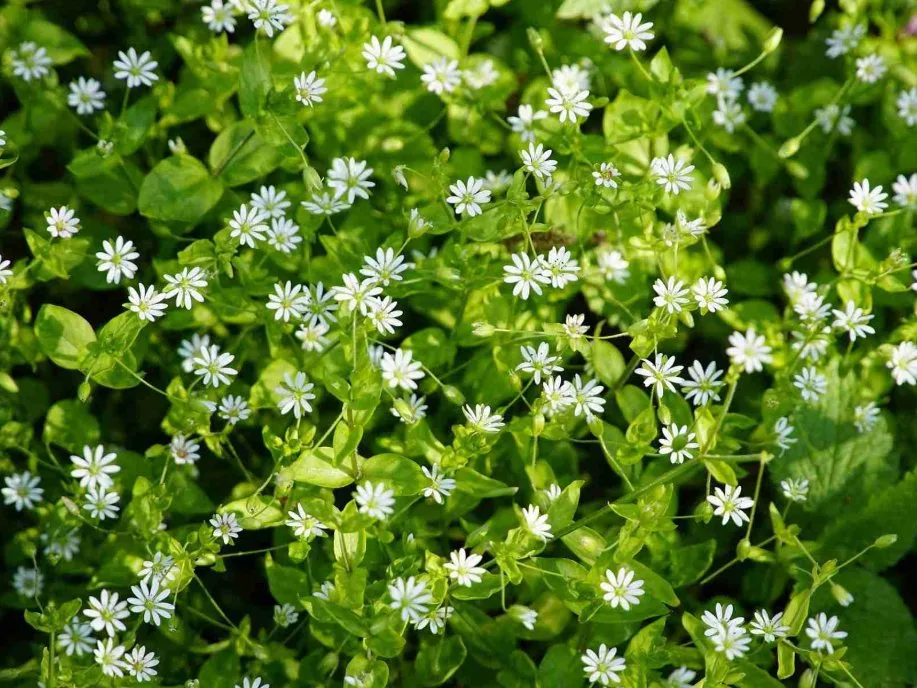
Stellaria media
A humble cool-season green that many people weed out before discovering it is edible.
Explore this plant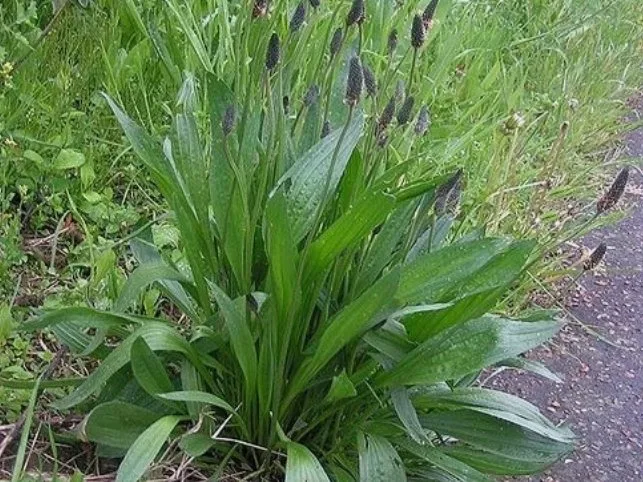
Plantago lanceolata
A tough little perennial that survives poor soil, dry weather and foot traffic — with edible young leaves and seeds.
Explore this plant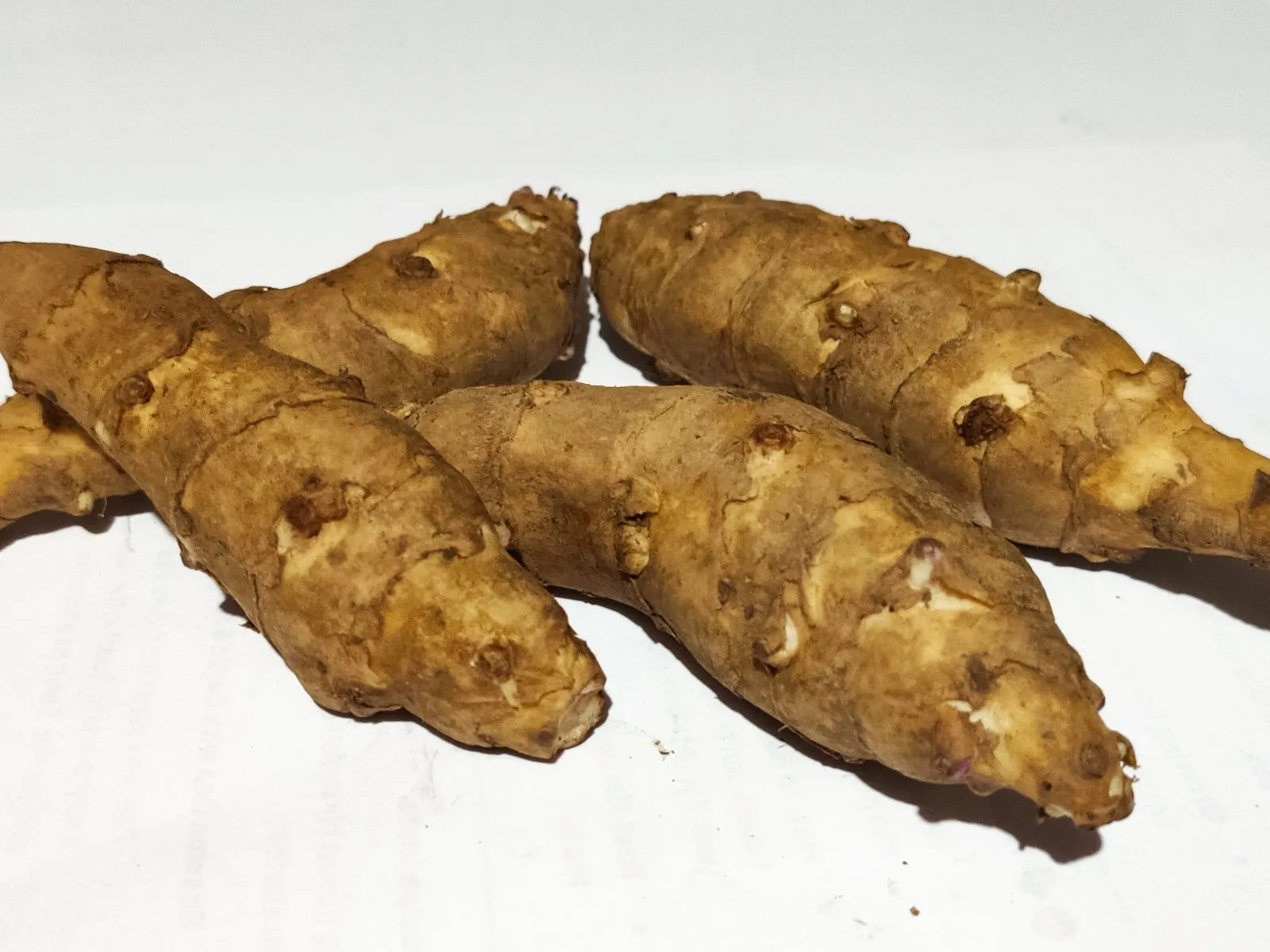
Helianthus tuberosus
A sunflower relative hiding huge crops of crisp, nutty tubers underground — vigorous enough to need containing.
Explore this plant