Dependable food, traditional medicine and useful plants for everyday life.
Pre-5th century
Ancient gardens
The foundations of food growing. Hardy staples, wild plants, and early cultivated crops sustained communities long before formal gardens existed.
Woodland edges, meadows and hedgerows, with useful plants gradually brought closer to settlements.
The line between wild and cultivated was often blurred; hardy, repeatable harvests mattered more than ornament.
Observation and plant knowledge formed the foundations of the later physic and kitchen garden.
A closer look
What ancient gardens were like
Ancient gardens (pre-5th century) grew from a close relationship between people and the natural world, where the boundary between wild and cultivated was often blurred. Shaped by early civilisations such as the Celts, Greeks, and Romans, these gardens focused on resilience, medicine, and dependable food rather than ornament. Plants were chosen for their usefulness, nourishing the body, treating illness, and supporting daily life through simple, repeatable harvests. Many ancient garden plants were perennial, hardy, and deeply rooted in local landscapes, thriving with little intervention. Herbs and greens were commonly gathered from woodland edges, meadows, and hedgerows before gradually being brought closer to settlements for easier access. Knowledge of plants was passed down through observation and tradition, forming the foundations of later physic and kitchen gardens. These early growing spaces reflect a practical wisdom (working with nature rather than against it) and laid the groundwork for centuries of cultivated gardening that followed.
Wild and semi-cultivated greensHardy perennial food plantsUseful herbs and medicinal plants
Plants from this era
Explore the crops, herbs and useful plants
These are the plants in the Forgotten Garden collection associated with this era. Click any one to follow its story into the modern garden.
Awaiting restock
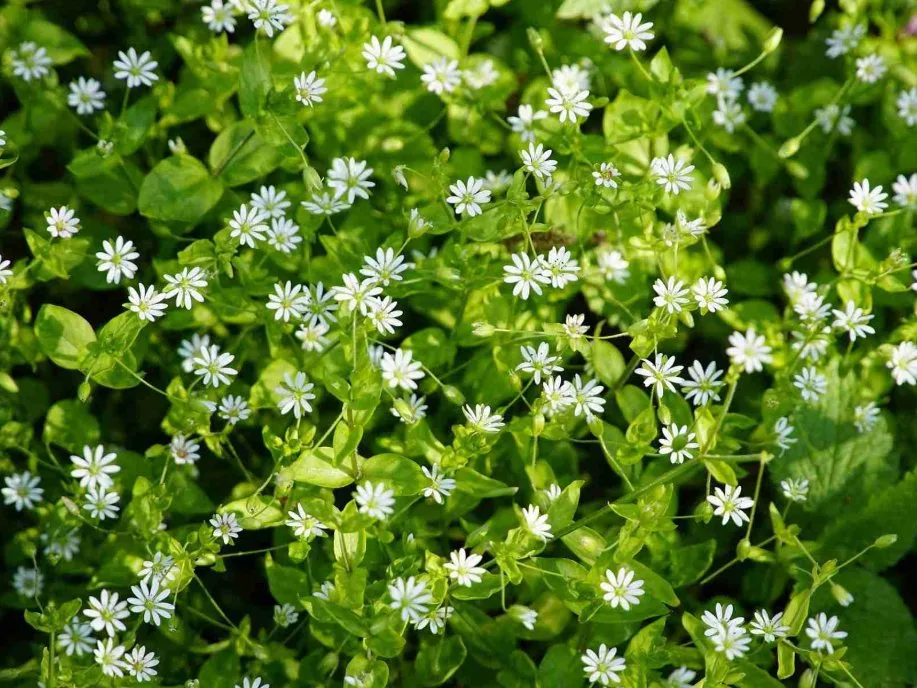
Chickweed
Stellaria media
Self-seedingCool-season greenMild flavour
A humble cool-season green that many people weed out before discovering it is edible.
Explore this plant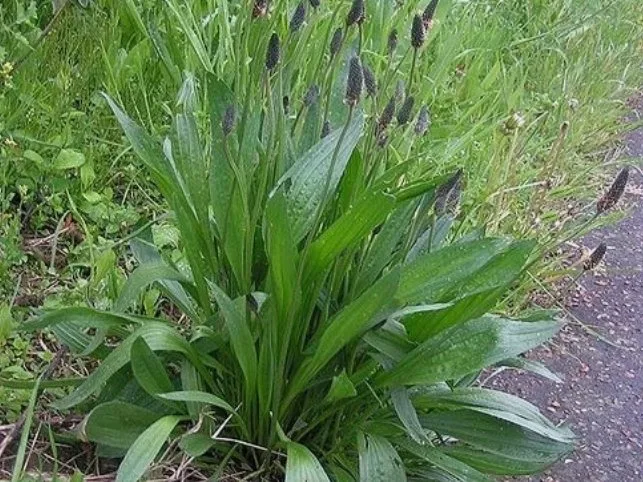
Awaiting restock
English Plantain
Plantago lanceolata
PerennialDrought tolerantTough & adaptable
A tough little perennial that survives poor soil, dry weather and foot traffic — with edible young leaves and seeds.
Explore this plant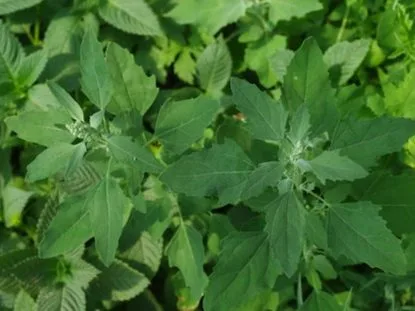
Awaiting restock
Lamb’s Quarters
Chenopodium album
AnnualWild spinachSelf-seeding
An ancient wild spinach that has fed people for millennia and still grows with almost insulting ease.
Explore this plant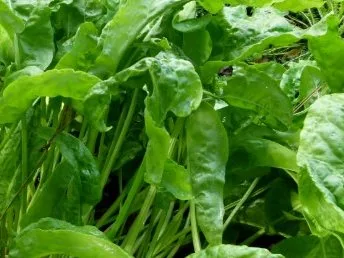
Awaiting restock£9.99
Lemon Sorrel
Rumex acetosa subsp. acetosa
PerennialCitrus flavourSun or part shade
A perennial leaf with a clean lemony tang that can brighten salads, sauces, soups and fish dishes.
Explore this plant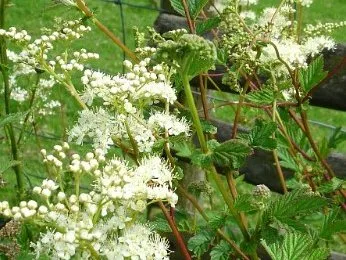
Awaiting restock
Meadowsweet
Filipendula ulmaria
PerennialFragrant flowersMoist-soil lover
Creamy white flowers with a sweet almond-like scent and a long place in old drinks, desserts and herbal gardens.
Explore this plant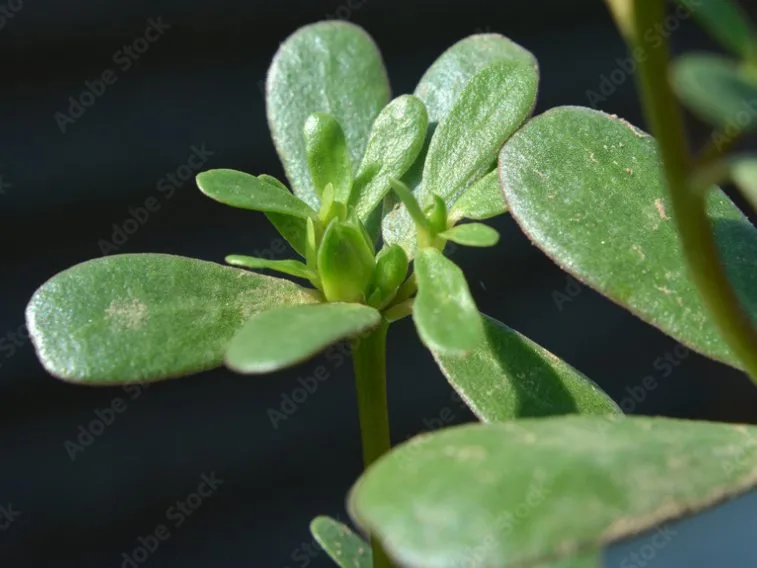
Awaiting restock
Purslane
Portulaca oleracea
AnnualDrought tolerantSucculent leaves
A succulent edible “weed” with a fresh lemony bite that shrugs off heat and dry soil.
Explore this plant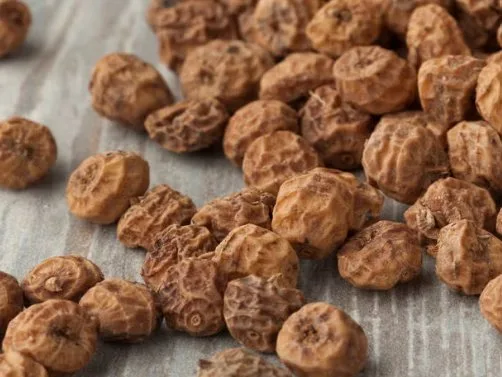
Awaiting restock
Tiger Nuts (Chufa)
Cyperus esculentus
Tuber cropSweet & nuttyContainer friendly
Not a nut at all, but an ancient sweet tuber crop once grown in Egypt and still made into horchata today.
Explore this plant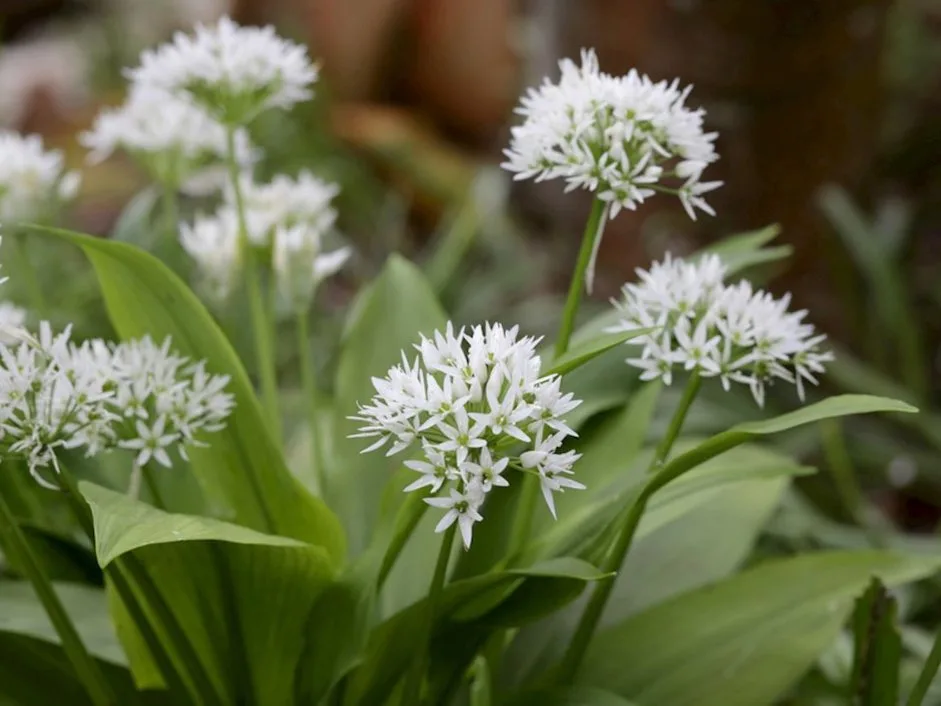
Awaiting restock
Wild Garlic
Allium ursinum
PerennialShade lovingSpring harvest
One of spring’s first great flavours: a shade-loving perennial that carpets woodland with edible garlic-scented leaves.
Explore this plant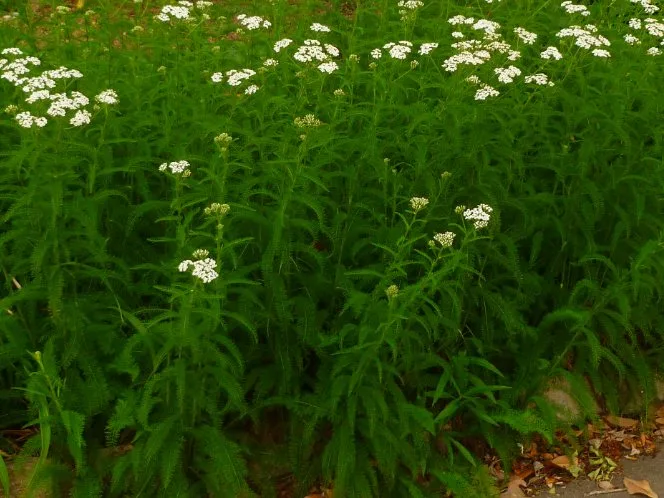
In stock8.99
Yarrow
Achillea millefolium
PerennialDrought tolerantPollinator friendly
An ancient aromatic perennial with ferny foliage, useful flowers and a reputation for surviving where fussier plants fail.
Explore this plant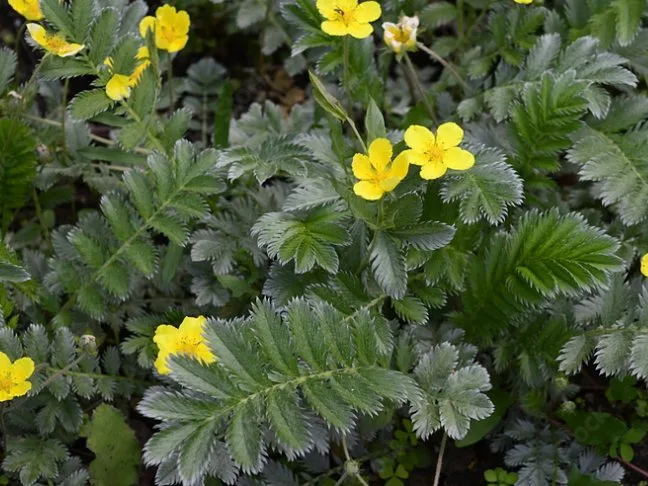
In stock12.99
Silverweed
Argentina anserina (syn. Potentilla anserina)
Perennial root cropNative edibleSpreading groundcover
A native creeping perennial once valued for its starchy edible roots — silvery leaves above ground, a forgotten root food beneath it.
Explore this plant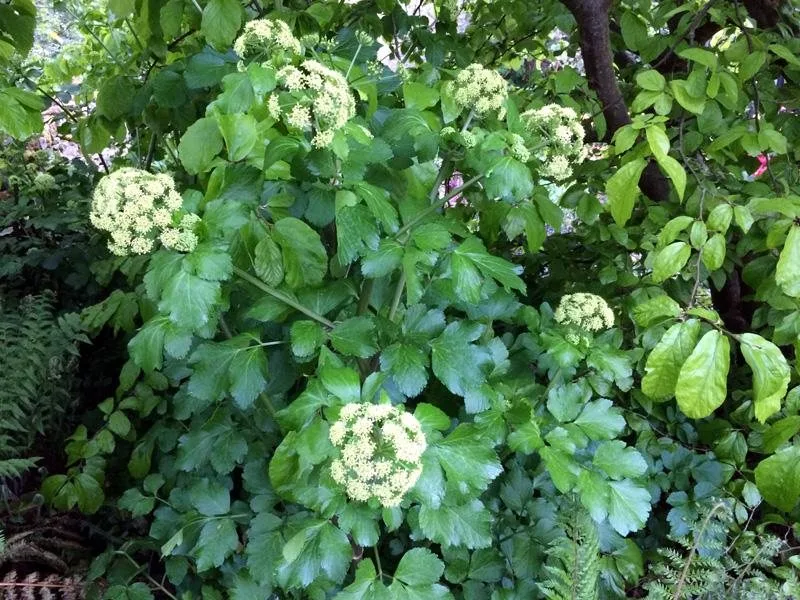
Awaiting restock
Alexanders
Smyrnium olusatrum
BiennialRoman-era ediblePart shade
A Roman-era vegetable with edible shoots, leaves and flower buds — once common enough to be ordinary, now unusual enough to stop people scrolling.
Explore this plant