Why grow it?
A compact pea for small spaces and containers, chosen as much for the Victorian connection as for the practical advantage of staying short.
Heritage Crops
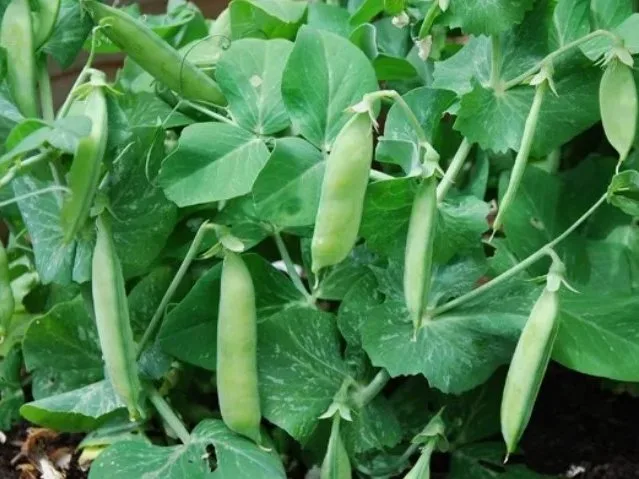
Pisum sativum 'Tom Thumb Victorian'
A tiny heirloom pea bred for cramped Victorian spaces — genuinely productive in a pot or window-box-sized patch.
Each plant is grown in small batches and cared for individually before dispatch. Because these are living plants, their appearance naturally changes with the season — they may be compact and freshly potted at some times of year, or taller and more established at others. Plants are supplied healthy, well rooted and ready to continue growing on.
Why it belongs in a forgotten garden
A compact pea for small spaces and containers, chosen as much for the Victorian connection as for the practical advantage of staying short.
A charming, compact heirloom variety, the Dwarf Pea (Pisum sativum 'Tom Thumb Victorian') was bred specifically for tight spaces. Once a favourite on Victorian windowsills and in kitchen gardens, this cheeky little plant is perfect for pots, patios, or for bringing the joy of a fresh harvest right to your doorstep.
Explore its place in Victorian garden history.
Growing guide
Fertile, well-drained soil with compost incorporated before sowing.
Light: Full sun
Keep watered during flowering and pod filling; inconsistent moisture reduces yield.
Sow peas directly or in modules from late winter into spring, protecting early sowings from mice and birds.
Provide low twiggy support even for dwarf plants, keep weeds down and harvest pods regularly.
From garden to kitchen
Pods are harvested from late spring into summer depending on sowing date.
Pick pods as soon as peas are full but still sweet and tender. Frequent picking encourages the compact plants to keep producing.
Young peas and tender pods where harvested very young; mature dry seed can also be saved.
The sweet peas are perfect fresh, steamed, or stirred into soups and stir-fries. You can even pick the young shoots early for tender salad greens, adding a touch of sweetness to your meals.
Fresh peas provide carbohydrate, fibre, protein and vitamin C; as with all vegetables, values depend on maturity and freshness.
Worth knowing: Fresh peas combine vegetable sweetness with more protein than most leafy crops, while also providing fibre, vitamin C, folate, iron and potassium.
Traditional medicinal uses, where mentioned in the historical material, are included as history rather than medical advice.
Kitchen idea
When the crop is small and special, keep the cooking almost embarrassingly simple.
How tough is it?
A tough and versatile little plant, the Dwarf Pea is highly resistant to common pests and is built for thriving in small spaces. It produces a reliable, delicious harvest in pots and containers, making it a perfect, low-maintenance choice for gardeners with limited space.
Pea moth, pigeons, mice, slugs and powdery mildew can all appear. Rotation helps reduce soil-borne pea diseases.
Pea flowers are visited by insects, though many garden peas are largely self-pollinating.
Small to medium containers (minimum 10–15 cm deep)
Container plants generally need more frequent watering and feeding than the same plant in open ground.
Ready to grow it?
Each plant is grown in small batches and cared for individually before dispatch. Because these are living plants, their appearance naturally changes with the season — they may be compact and freshly potted at some times of year, or taller and more established at others. Plants are supplied healthy, well rooted and ready to continue growing on.
If this caught your eye…
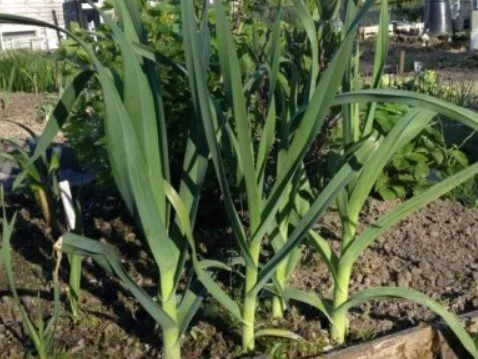
Allium ampeloprasum var. babingtonii
A perennial leek relative that returns year after year and even produces little bulbils at the top of its flower stem.
Explore this plant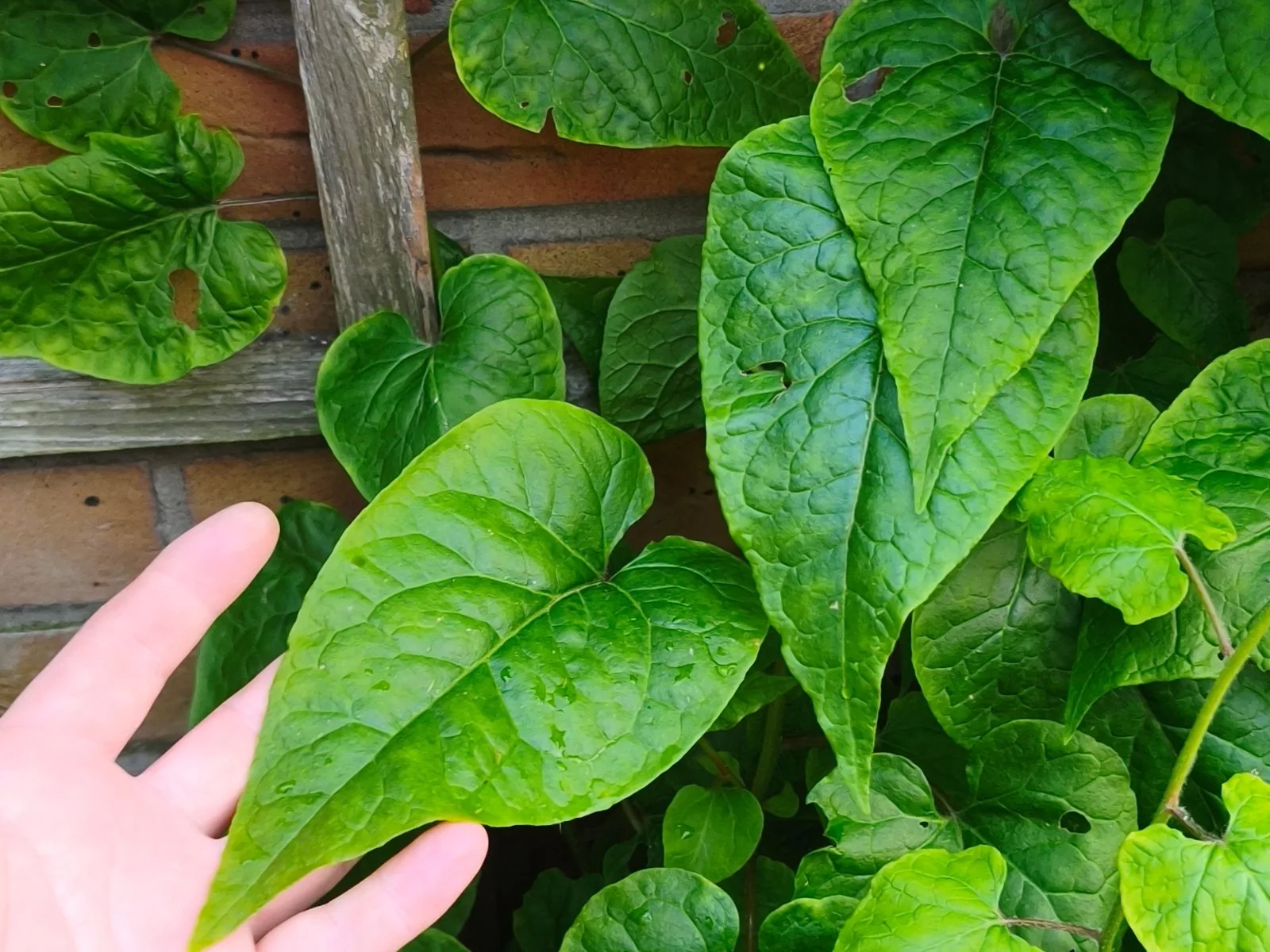
Hablitzia tamnoides
A rare perennial climbing spinach that actually likes shade and can produce edible shoots and leaves for decades.
Explore this plant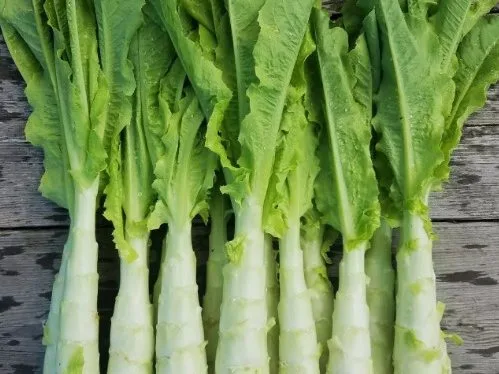
Lactuca sativa var. angustata
A lettuce grown for a thick, crisp edible stem as well as its leaves — crunchy, mild and completely unlike the supermarket lettuce most people know.
Explore this plant