Why grow it?
Yarrow is less a vegetable than a historic multipurpose herb: tough, aromatic, pollinator-friendly and capable of thriving in lean, dry ground.
Herbs
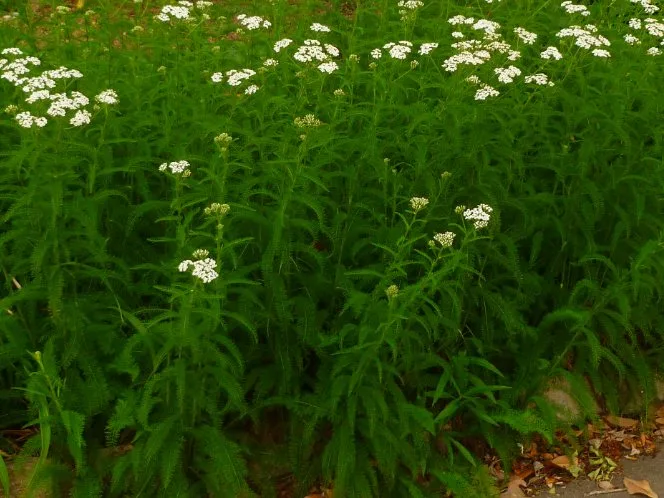
Achillea millefolium
An ancient aromatic perennial with ferny foliage, useful flowers and a reputation for surviving where fussier plants fail.
Each plant is grown in small batches and cared for individually before dispatch. Because these are living plants, their appearance naturally changes with the season — they may be compact and freshly potted at some times of year, or taller and more established at others. Plants are supplied healthy, well rooted and ready to continue growing on.
Why it belongs in a forgotten garden
Yarrow is less a vegetable than a historic multipurpose herb: tough, aromatic, pollinator-friendly and capable of thriving in lean, dry ground.
One of the oldest cultivated medicinal plants in Europe, Yarrow has followed people for millennia, growing along paths, fields, and settlement edges. Revered in ancient and medieval traditions alike, it was valued not only for its healing properties but for its reliability and ease. Hardy, aromatic, and deeply rooted in folklore, Yarrow embodies the practical wisdom of early gardens.
Explore its place in Ancient garden history.
Growing guide
Very adaptable, but best in free-draining soil in sun. Rich soil can make plants floppy.
Light: Full sun to partial shade
Water while establishing; mature plants are strongly drought tolerant.
Easy from seed or division. Divide vigorous clumps to control spread and rejuvenate plants.
Cut spent flower stems to encourage tidier regrowth, or leave seedheads for winter structure. Divide when clumps become too broad.
From garden to kitchen
Young leaves can be taken in spring; flowering tops are gathered in summer for traditional herb uses. Culinary use should be modest because flavour is bitter and aromatic.
Harvest young leaves sparingly and cut flower heads when freshly open. Leave some flowers for insects and seed.
Young leaves and flowers are used in small quantities as aromatic/bitter flavourings.
Young leaves can be used sparingly in salads or cooked dishes, offering a slightly bitter, aromatic flavour. More commonly, Yarrow has been used as a herbal infusion or flavouring, where its distinctive taste can be appreciated in moderation.
Yarrow is not a bulk food plant. Historic medicinal uses are extensive, but they should be presented as cultural history rather than evidence of modern therapeutic benefit.
Worth knowing: Yarrow is not a bulk food plant and is best treated as a strongly flavoured traditional herb. Its extensive historic medicinal reputation belongs to cultural history rather than modern nutritional or therapeutic claims.
Traditional medicinal uses, where mentioned in the historical material, are included as history rather than medical advice.
Kitchen history
A tiny amount of young Yarrow gives a bitter, aromatic edge; this is a seasoning, not a bowlful of greens.
A modern culinary use. Yarrow has a long history in herbal traditions, but this recipe is about flavour, not medical use.
How tough is it?
Exceptionally tough and drought tolerant, Yarrow thrives in poor soils and exposed conditions where many plants fail. Its deep roots and self-sufficiency make it a dependable, low-maintenance perennial — a plant shaped by survival as much as tradition.
Exceptionally resilient. Very few pests are serious; plants may spread by rhizomes where conditions suit them.
Flat flower heads are excellent landing platforms for hoverflies, bees and many other beneficial insects.
Suitable for containers (minimum 25–30 cm diameter); thrives best in open ground with good drainage
Container plants generally need more frequent watering and feeding than the same plant in open ground.
Ready to grow it?
Each plant is grown in small batches and cared for individually before dispatch. Because these are living plants, their appearance naturally changes with the season — they may be compact and freshly potted at some times of year, or taller and more established at others. Plants are supplied healthy, well rooted and ready to continue growing on.
If this caught your eye…
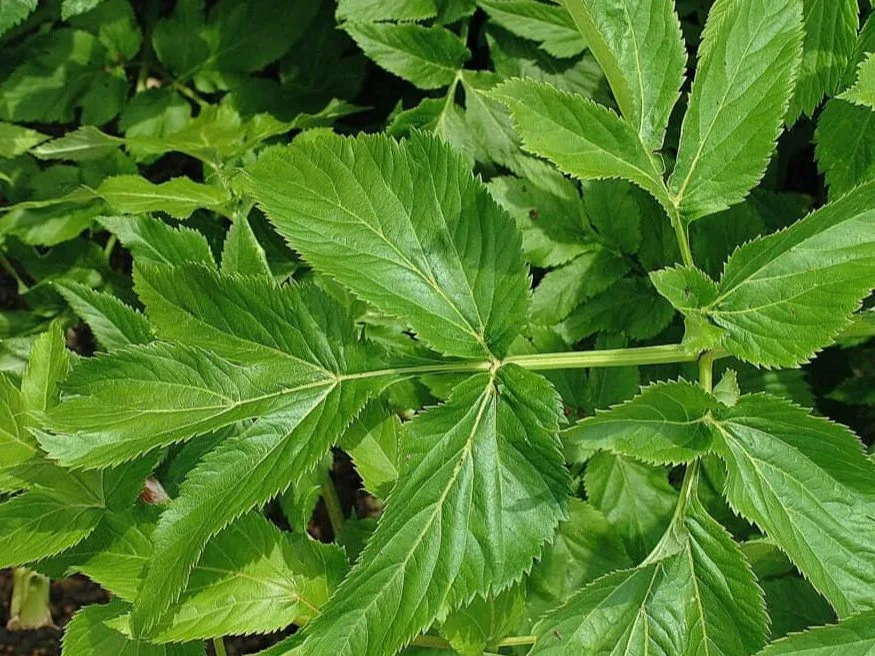
Angelica archangelica
A towering aromatic biennial once prized for candied stems, preserves and liqueurs.
Explore this plant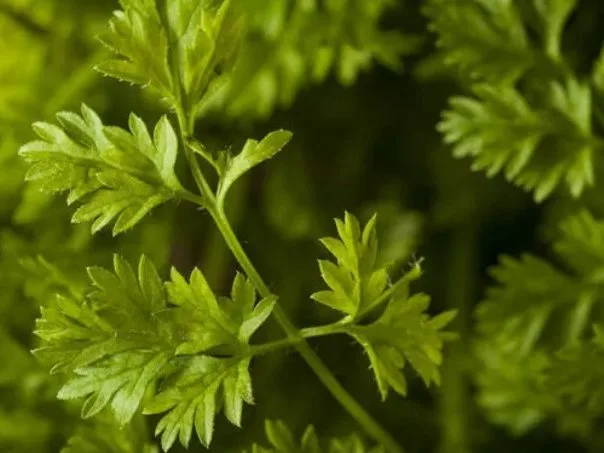
Anthriscus cerefolium
A delicate old kitchen-garden herb with a soft parsley-and-anise flavour.
Explore this plant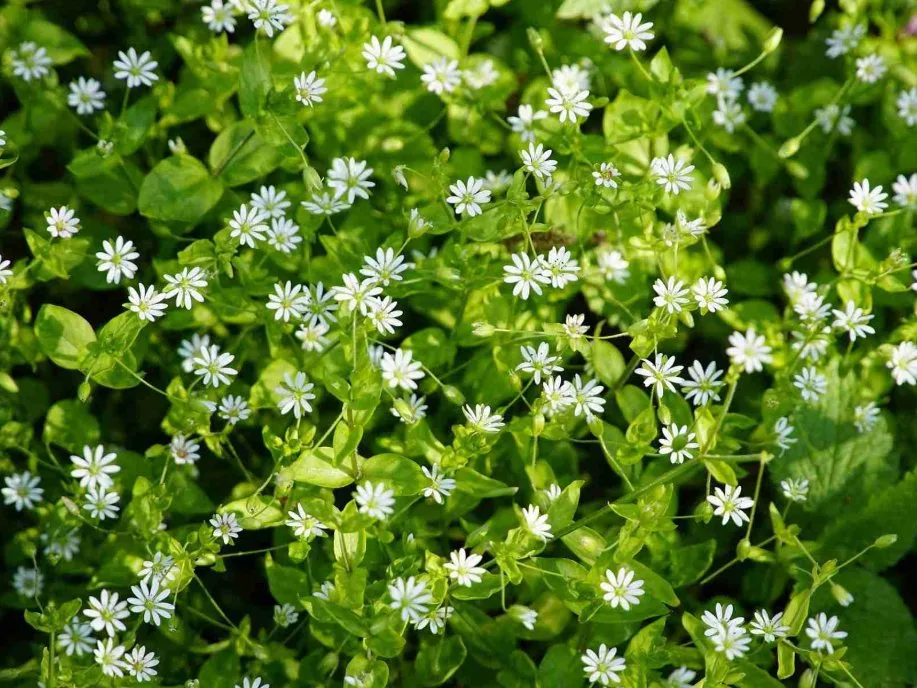
Stellaria media
A humble cool-season green that many people weed out before discovering it is edible.
Explore this plant