Why grow it?
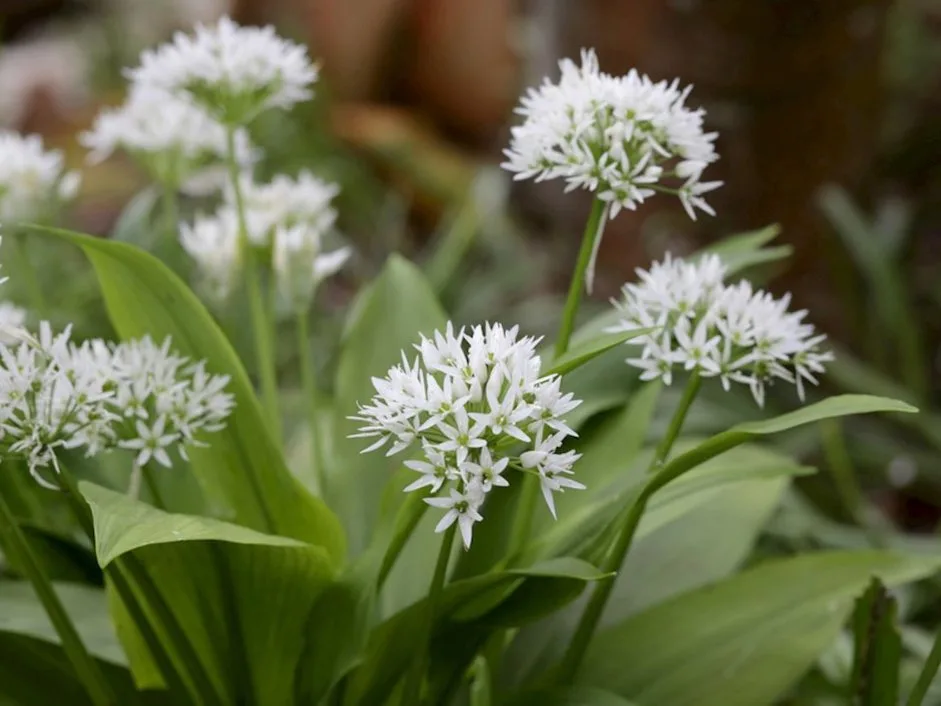
A woodland perennial that turns deep shade into an edible spring harvest. Once established, a patch can return every year with leaves, flowers and a powerful garlic scent.
Perennial Vegetables
Allium ursinum
One of spring’s first great flavours: a shade-loving perennial that carpets woodland with edible garlic-scented leaves.
Each plant is grown in small batches and cared for individually before dispatch. Because these are living plants, their appearance naturally changes with the season — they may be compact and freshly potted at some times of year, or taller and more established at others. Plants are supplied healthy, well rooted and ready to continue growing on.
Why it belongs in a forgotten garden
A woodland perennial that turns deep shade into an edible spring harvest. Once established, a patch can return every year with leaves, flowers and a powerful garlic scent.
A true herald of spring, Wild Garlic has been gathered and valued for centuries as one of the first fresh greens to appear after winter. Flourishing in damp woodland and shaded hedgerows, it was an important seasonal food long before cultivated garlic became common. Fragrant, generous, and easy to grow, Wild Garlic brings both flavour and reliability to the ancient garden.
Explore its place in Ancient garden history.
Growing guide
Moist, humus-rich woodland soil in shade or dappled light. Leaf mould suits it extremely well.
Light: Partial to full shade (tolerates light sun in moist conditions)
Keep moist through spring growth; the plant naturally retreats into dormancy as summer arrives.
Seed needs a cold period and can be slow. Bulbs or divisions establish faster where legally and responsibly sourced.
Very little once established. Let foliage die back naturally and divide dense patches if they spread beyond their allotted space.
From garden to kitchen
Leaves from late winter through spring; buds and flowers follow. Stop once foliage yellows and dies back.
Pick leaves in spring before or around flowering, taking only part of each clump. Flowers and green seed pods are also edible; avoid stripping a young planting bare.
Leaves, flower buds, flowers and bulbs, although harvesting leaves/flowers is far more sustainable than digging bulbs.
Leaves have a mild garlic flavour and can be used raw in salads, pestos, and butters, or gently cooked in soups and sauces. Flowers are edible and decorative, while bulbs can be used sparingly once established, though leaves are traditionally preferred.
Used as a strongly flavoured leafy herb, contributing fibre and vitamin C alongside allium sulphur compounds. Normal culinary use is the sensible context.
Worth knowing: Wild Garlic is a seasonal flavour crop that also contributes vitamin C, iron and characteristic allium sulphur compounds. A handful can transform pesto, butter, soups and sauces.
Traditional medicinal uses, where mentioned in the historical material, are included as history rather than medical advice.
Kitchen idea
Probably the easiest way to preserve the short spring flush.
How tough is it?
Exceptionally hardy and self-sustaining, Wild Garlic thrives in cool, damp conditions and requires little intervention once established. Its ability to naturalise and return year after year makes it a dependable perennial crop, well suited to woodland gardens and shaded corners.
Usually resilient in the right site. The major safety issue is identification: wild leaves can grow among poisonous lookalikes such as lily-of-the-valley or Lords-and-Ladies. Only eat material you can identify with certainty.
Flowers provide spring forage for insects and dense patches create woodland ground cover.
Suitable for large containers (minimum 25–30 cm diameter); deep pots recommended to accommodate bulbs
Container plants generally need more frequent watering and feeding than the same plant in open ground.
Ready to grow it?
Each plant is grown in small batches and cared for individually before dispatch. Because these are living plants, their appearance naturally changes with the season — they may be compact and freshly potted at some times of year, or taller and more established at others. Plants are supplied healthy, well rooted and ready to continue growing on.
If this caught your eye…
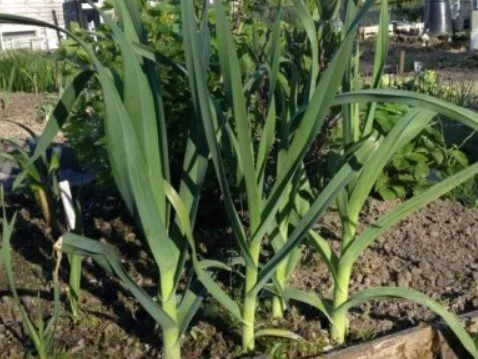
Allium ampeloprasum var. babingtonii
A perennial leek relative that returns year after year and even produces little bulbils at the top of its flower stem.
Explore this plant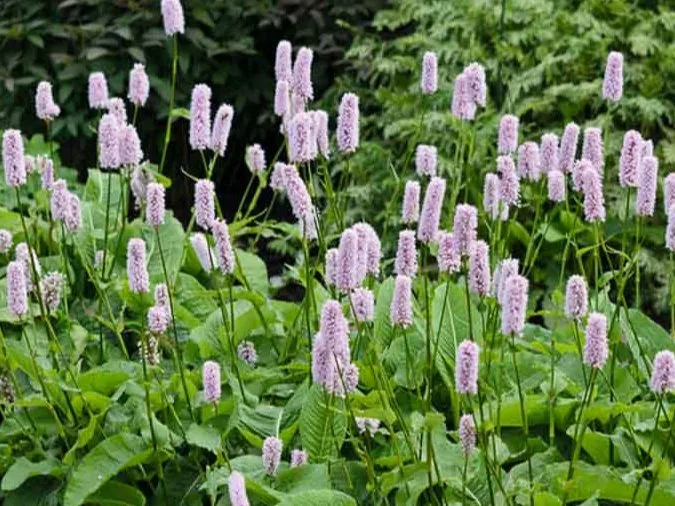
Persicaria bistorta
A hardy perennial once gathered for traditional spring greens and northern seasonal dishes.
Explore this plant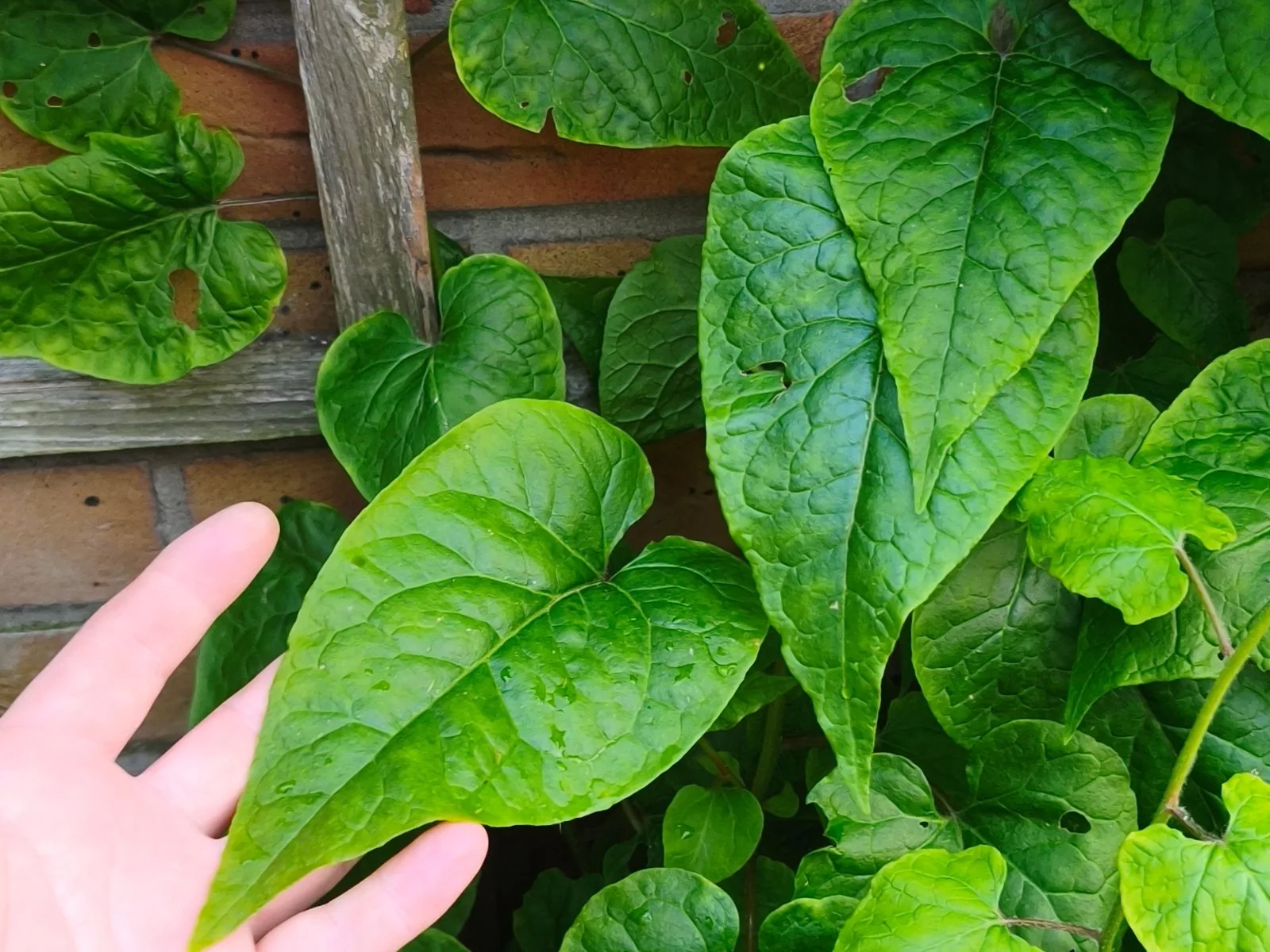
Hablitzia tamnoides
A rare perennial climbing spinach that actually likes shade and can produce edible shoots and leaves for decades.
Explore this plant